
Discover how integrated transport management systems eliminate data fragmentation, boost productivity, and empower dispatch teams with real-time visibility.

Discover how integrated transport management systems eliminate data fragmentation, boost productivity, and empower dispatch teams with real-time visibility.

Explore the latest trends and technologies transforming compliance in port and logistics operations. Learn how automation and integration future-proof audit readiness.
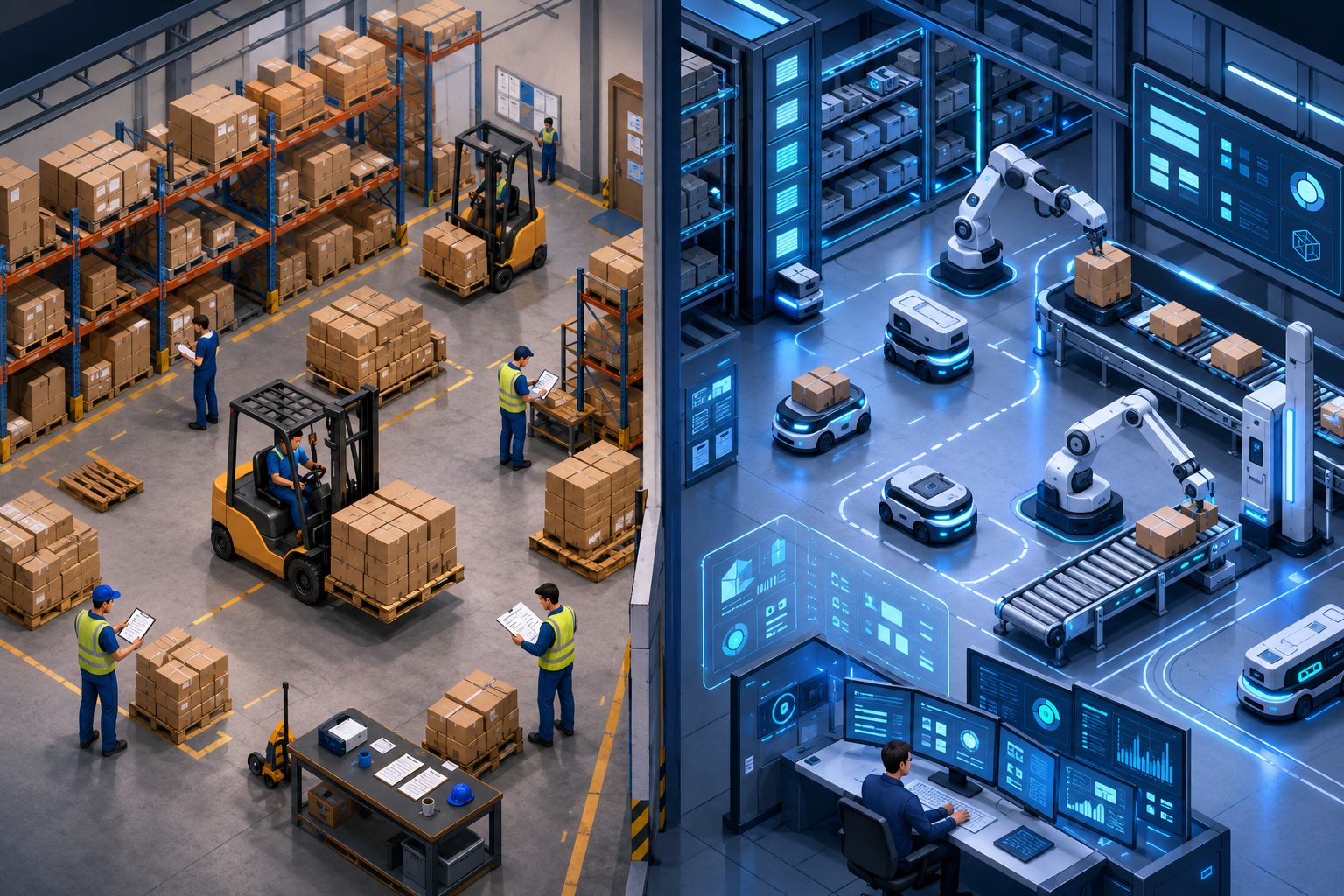
Discover the hidden costs of manual warehouse coordination and how automation with modern WMS solutions drives efficiency, visibility, and throughput in logistics.

Discover how clear, digital workflows and real-time updates reduce confusion and boost productivity for terminal workers in cargo operations.
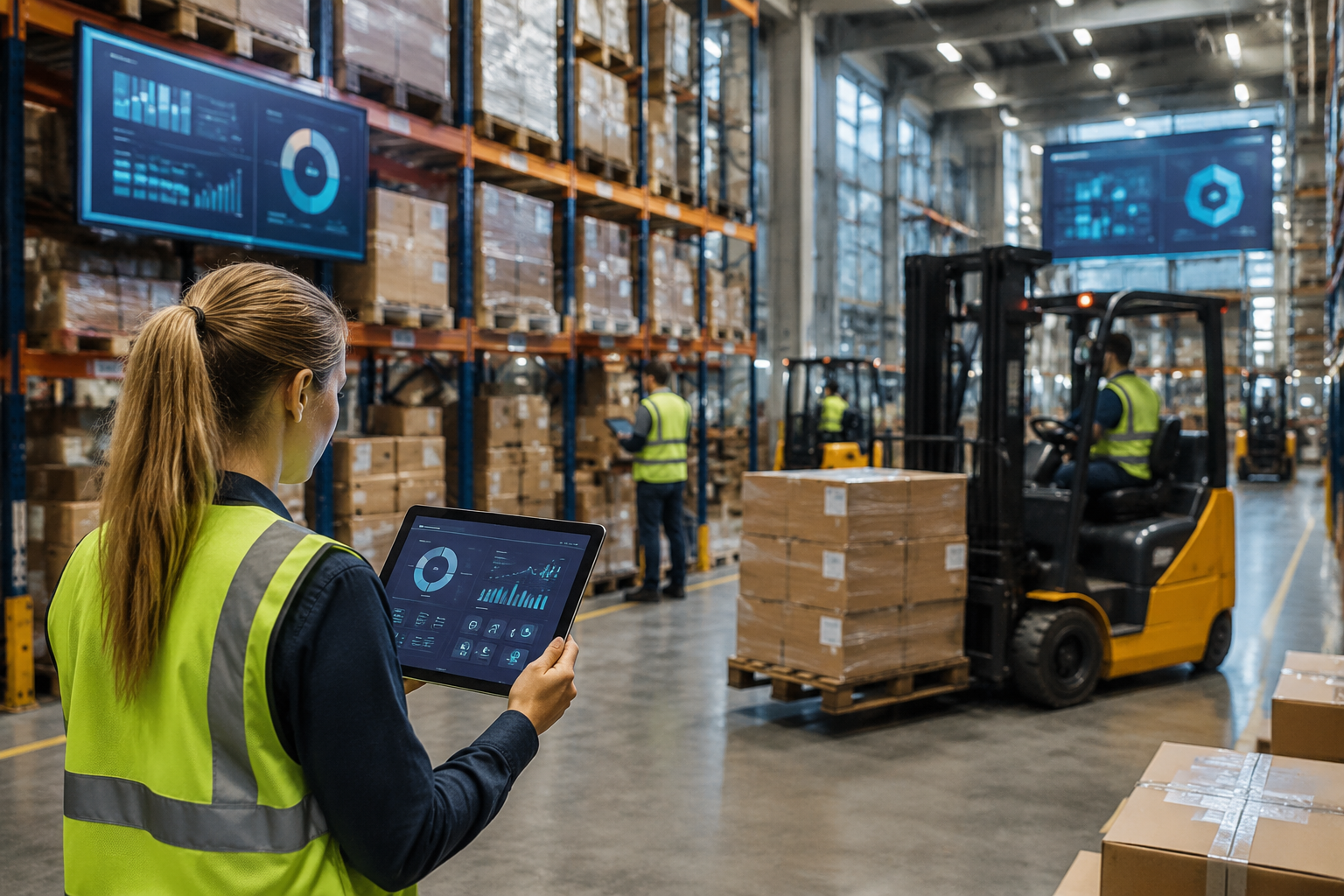
Discover why practical, easy-to-use warehouse systems outperform complex tools in logistics. Learn how usability drives efficiency and real-world results.

Explore how EU transport regulations are making system integration essential for logistics companies. Learn why digital workflows are key to scalable compliance.

Explore why IT uptime is essential for multi-terminal logistics, the risks of downtime, and how integrated systems like PICit TOS ensure operational reliability.
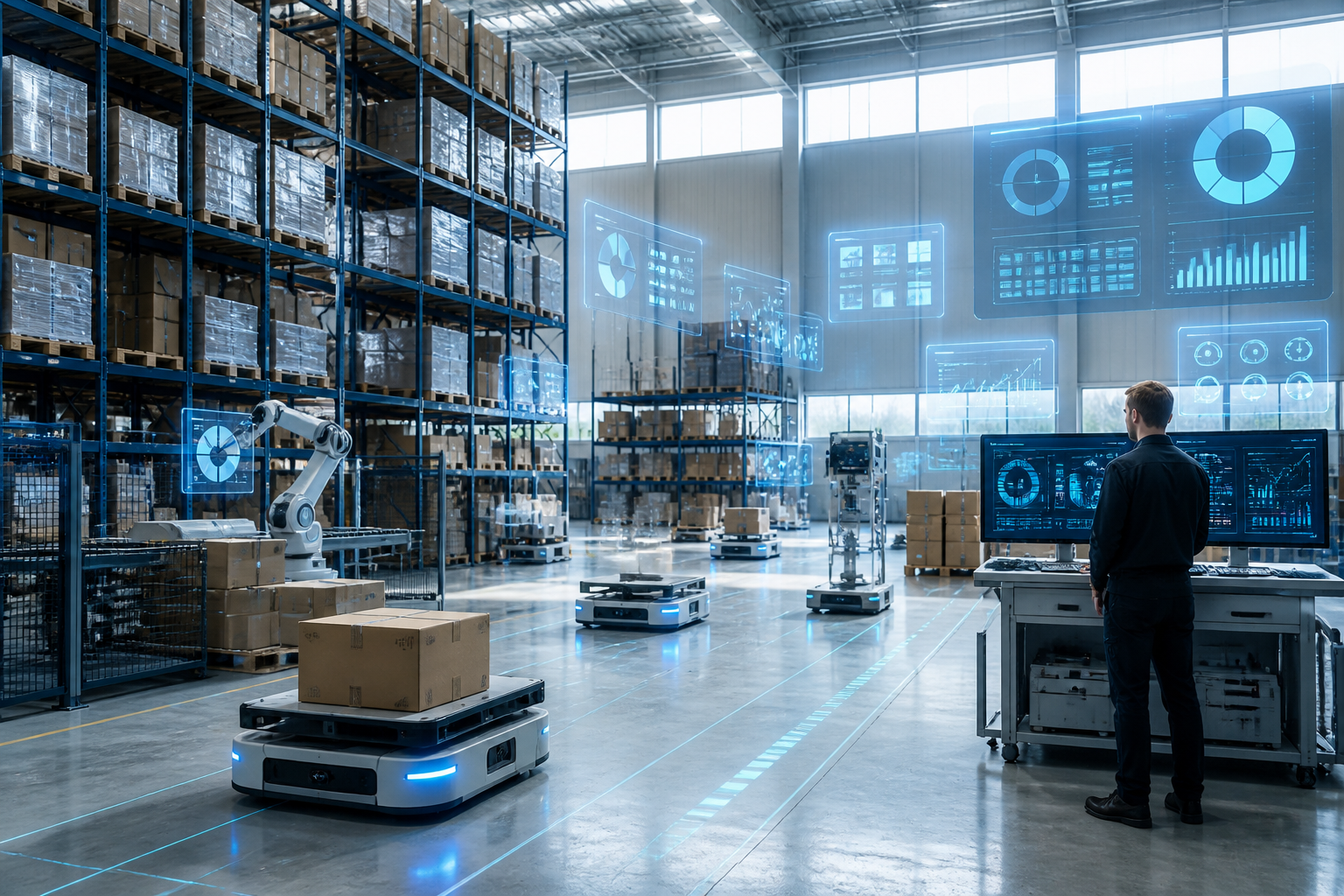
Explore why real-time warehouse visibility is critical for Nordic logistics. Learn how modern WMS solutions close operational gaps and drive efficiency.

Discover five critical warning signs that your road freight operations need digitalization. Learn how modern transport management tools can resolve workflow bottlenecks.

Discover why real-time visibility is critical for port operations. Learn how unified data platforms drive efficiency, transparency, and customer trust in logistics.

Discover how real-time visibility is transforming warehouse and yard management, reducing congestion, and enabling proactive logistics operations.

Discover how integrated planning technology reduces stress for dispatch teams by improving visibility, efficiency, and operational resilience in logistics.