
Introduction: When Communication Slows Down For many transport operations, driver communication...

Introduction: The Hidden Cost of Manual Warehouse Management
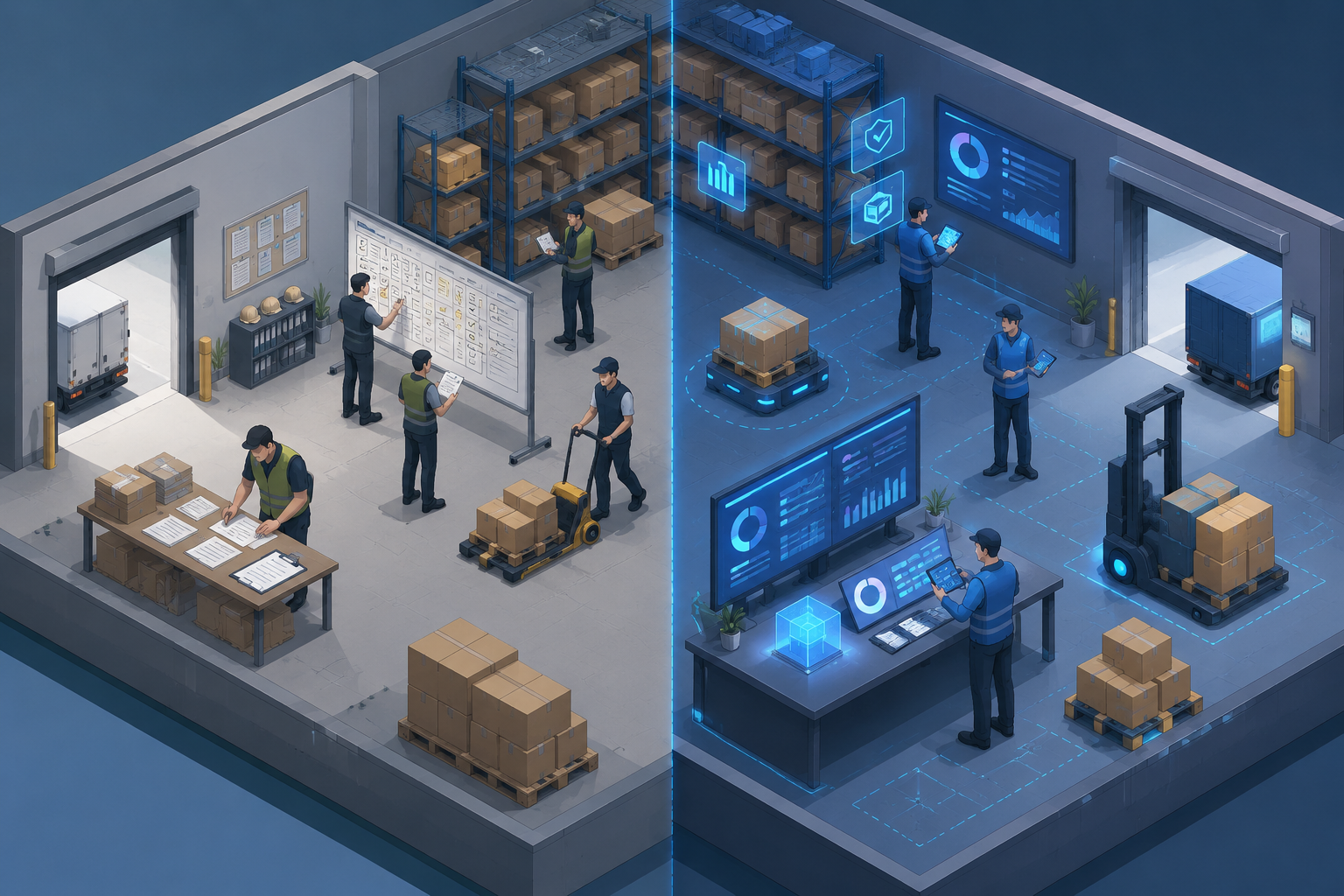
For many warehouse team leaders, daily operations are a balancing act. Keeping goods moving, minimizing delays, and ensuring seamless handoffs between warehouse and transport teams are constant priorities. Yet, when processes rely on whiteboards, spreadsheets, and manual coordination, even the most experienced teams can struggle to maintain efficiency. These manual methods often mask deeper operational challenges that, if left unaddressed, can lead to recurring bottlenecks, missed targets, and unnecessary stress.
Recognizing the signs that your warehouse needs a technology upgrade is the first step toward smoother, more reliable operations. Here are five common warning signals that it’s time to move beyond manual tools and embrace a digital warehouse management system.
Sign 1: Lack of Real-Time Visibility Slows Everything Down
When warehouse leaders lack a clear, up-to-date overview of current and upcoming tasks, it becomes difficult to prioritize effectively. Manual tracking, whether on paper, whiteboards, or spreadsheets, means information is often outdated by the time it reaches the team. This lack of real-time visibility leads to:
- Delays in loading and unloading because staff are unsure of the latest priorities
- Missed opportunities to reallocate resources when unexpected changes occur
- Increased risk of errors in inventory handling and documentation
A modern Warehouse Management System (WMS), such as PICit’s Cargo Freight Station / Warehouse Management System, provides live inventory tracking and activity updates. This enables team leaders to see exactly what’s happening on the warehouse floor, make informed decisions quickly, and keep operations flowing smoothly.
Sign 2: Manual Coordination Creates Costly Miscommunications
In fast-paced warehouse environments, clear communication between warehouse staff, transport planners, and external drivers is essential. Relying on verbal instructions, printed schedules, or ad hoc updates often leads to:
- Misaligned priorities between warehouse and transport teams
- Trucks waiting unnecessarily due to unclear loading or unloading status
- Staff confusion about task assignments, especially during shift changes
These miscommunications not only waste time but also erode team morale and customer satisfaction. Digital systems that integrate warehouse and transport information ensure everyone has access to the same, up-to-date data. With solutions like PICit’s WMS, instant updates and alerts can be shared across teams, reducing errors and keeping everyone aligned.
Sign 3: Bottlenecks During Peak Periods Hurt Productivity
Peak freight periods put extra pressure on warehouse teams. When goods volumes surge, manual processes struggle to keep up. Common symptoms include:
- Work piling up at key docks or staging areas
- Staff scrambling to reprioritize tasks without a clear overview
- Delays cascading through the day, making it hard to catch up
Without digital support, it’s difficult to spot bottlenecks early or adjust workflows in real time. A WMS with real-time activity tracking and reporting helps leaders identify pressure points as they develop, enabling proactive resource allocation and smoother throughput even during the busiest shifts.
Sign 4: Difficulty Adapting to Last-Minute Schedule Changes
Transport schedules are rarely static. Last-minute changes, whether due to traffic, weather, or customer requests, require warehouse teams to adapt quickly. When coordination relies on manual tools, adapting to these changes is challenging:
- Task lists and priorities must be updated and redistributed manually
- Staff may not receive critical updates in time, leading to confusion
- Goods may be misplaced or delayed as plans shift unexpectedly
A digital WMS enables instant updates to schedules and priorities, ensuring all team members are informed and able to adjust their tasks accordingly. Integration with transport management systems further streamlines communication, reducing the risk of costly delays.
Sign 5: Reliance on Spreadsheets and Whiteboards Limits Growth
While spreadsheets and whiteboards may work for small teams or predictable workflows, they quickly become a liability as operations scale or complexity increases. Signs that manual tools are holding your warehouse back include:
- Double-entry of data, increasing the risk of errors
- Difficulty maintaining accurate records for audits or billing
- Limited ability to analyze performance trends or identify improvement opportunities
A modern WMS automates routine data capture, centralizes information, and provides actionable insights. This not only saves time but also empowers leaders to drive continuous improvement and support business growth.
How a Modern WMS Transforms Daily Operations
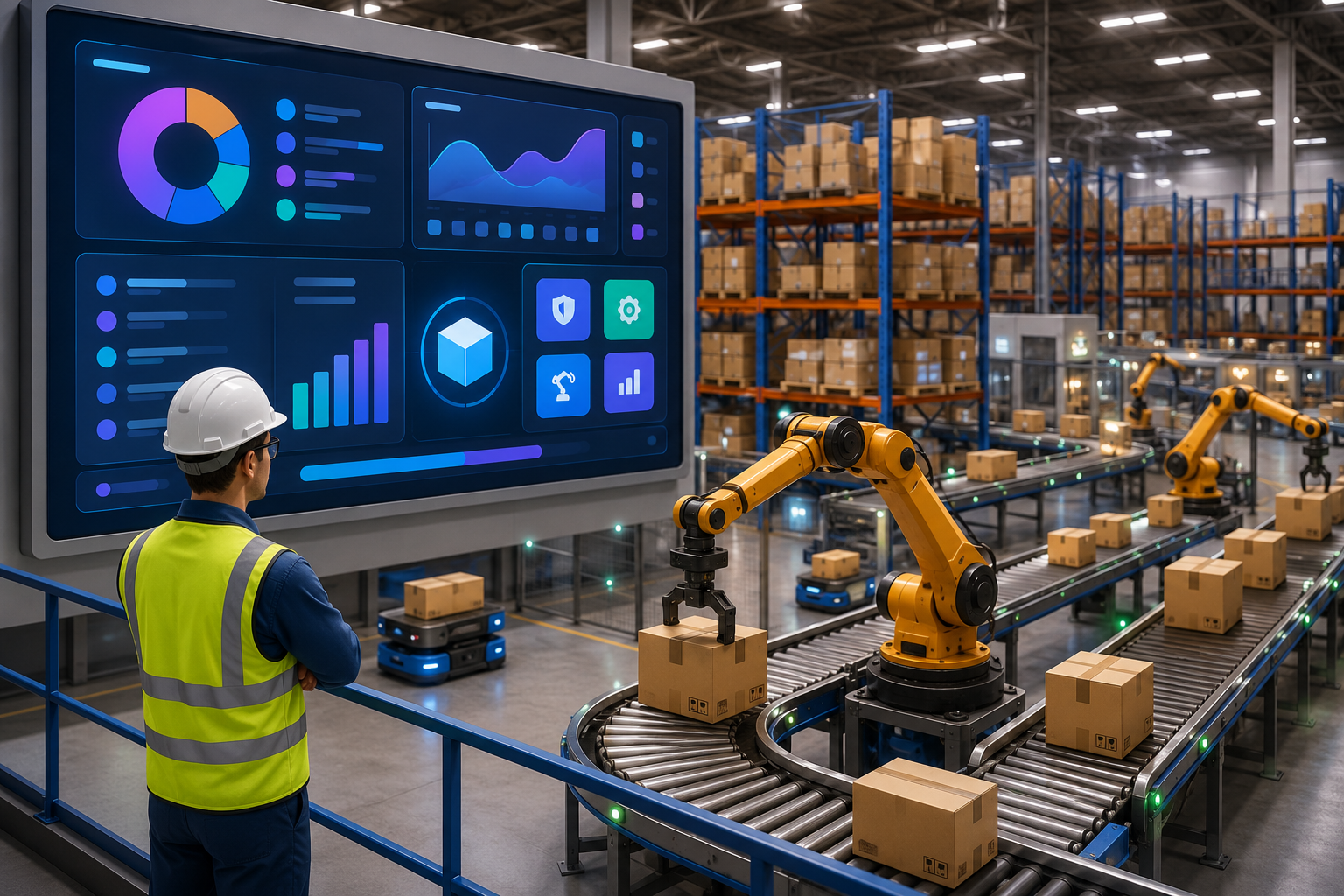
PICit’s Cargo Freight Station / Warehouse Management System is designed for real-world warehouse environments where operational visibility, team alignment, and workflow efficiency are critical. Key benefits include:
- Real-time inventory management: Always know what’s in stock, where it’s located, and what needs to move next.
- Activity tracking and reporting: Monitor progress on all tasks, identify bottlenecks early, and adjust resources proactively.
- Integration with logistics systems: Seamlessly connect with transport and terminal operations, ensuring everyone is working from the same data.
- User-friendly interface: Designed for on-the-floor use, making it easy for staff to access information and update task status without leaving their work area.
For operations that also span terminal or yard activities, integrating with PICit’s Terminal Operating System (TOS) further enhances visibility and coordination across the entire logistics chain.
Conclusion: Recognizing the Right Time for Digital Transformation
Warehouse team leaders are under constant pressure to keep goods moving and teams aligned. If you recognize one or more of these five signs in your daily operations, it’s time to consider a technology upgrade. Moving beyond whiteboards and spreadsheets isn’t just about adopting new tools, it’s about empowering your team, reducing stress, and building a foundation for long-term efficiency and growth.
By investing in a practical, real-time warehouse management system, you can transform daily challenges into opportunities for improvement and set your warehouse up for future success.