Why Simplicity Matters in Warehouse Technology In today’s fast-paced logistics environment,...

Introduction: The Real Cost of Downtime in Terminal Operations
In the world of multi-terminal logistics, every minute counts. Terminal operations depend on seamless information flow, real-time coordination, and reliable IT systems to keep cargo moving efficiently. When IT systems falter, the consequences ripple far beyond the server room. Downtime can halt entire terminal workflows, disrupt supply chains, and erode trust with customers and partners. For IT leaders in logistics, ensuring system uptime is not just a technical goal, it is a mission-critical business imperative.
Understanding the Operational Impacts of IT Downtime
Terminal operations are inherently complex, involving the coordination of vessels, trucks, trains, equipment, and personnel. IT systems underpin every aspect of this ecosystem, from container tracking and gate management to customs clearance and invoicing. When these systems experience unplanned downtime, the impact is immediate and severe:
- Operational Standstill: Cargo cannot be processed, moved, or released. Frontline teams are left waiting, and schedules slip.
- Data Inconsistencies: Manual workarounds often introduce errors, leading to reconciliation headaches and compliance risks.
- Customer Dissatisfaction: Delays and lack of visibility frustrate shipping lines, hauliers, and end customers, potentially driving them to competitors.
- Escalating Costs: Idle equipment, overtime labor, and missed deadlines quickly add up, eroding margins.
In a high-pressure environment, even brief outages can trigger a cascade of operational and financial consequences. For organizations managing multiple terminals or facilities, the stakes are even higher - one system failure can disrupt interconnected workflows across the network.
Key Challenges in Maintaining High IT Uptime
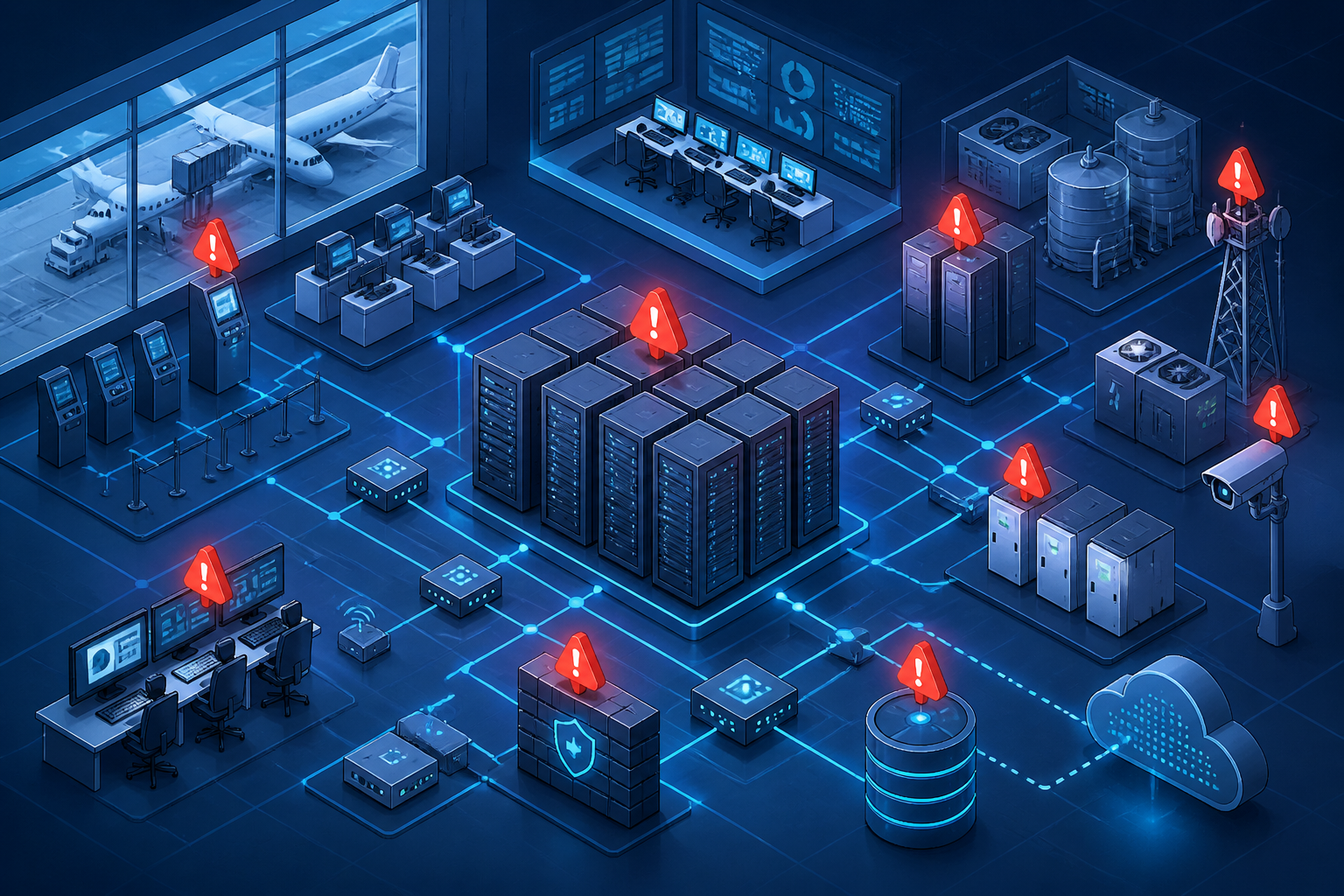
Achieving consistently high uptime in terminal IT environments is challenging. Several factors contribute to this complexity:
- Fragmented System Landscapes: Many terminals operate with a mix of legacy and modern systems. Integrating these platforms is difficult, and gaps often require manual intervention.
- Data Silos and Inconsistencies: Poor integration leads to fragmented data, making it hard to maintain a single source of truth and increasing the risk of operational errors.
- Heavy Vendor Dependence: When critical updates or troubleshooting require external vendor support, response times can lag, prolonging outages.
- High Operational Demands: Terminals operate around the clock, and IT systems must perform reliably under heavy, variable loads.
- Pressure from Operations: When downtime occurs, IT teams face intense pressure to restore service quickly while balancing risk-aware troubleshooting.
These challenges are compounded by the need to support ongoing innovation, such as real-time data access and automation, without sacrificing stability or introducing new failure points.
Strategies for Achieving Robust System Reliability
To reduce unplanned downtime and support operational excellence, IT leaders in logistics terminals are adopting several key strategies:
- Consolidation and Integration: Moving from fragmented, siloed systems to integrated platforms reduces points of failure and simplifies maintenance. Solutions that support seamless data flow between terminal, transport, and enterprise systems are essential.
- Proactive Monitoring and Alerting: Real-time dashboards and automated alerts enable IT teams to detect and address issues before they escalate into outages.
- Vendor Partnerships: Working with vendors who offer responsive, expert support and openly documented systems reduces black-box dependencies and accelerates resolution times.
- Automation of Routine Tasks: Automating data entry, reporting, and compliance checks not only cuts manual workload but also minimizes human error and speeds up recovery during incidents.
- Change Management and Testing: Careful planning and staged rollouts of new integrations or upgrades help minimize operational disruptions and ensure stability.
How Integrated Solutions Like PICit TOS Enable Uptime
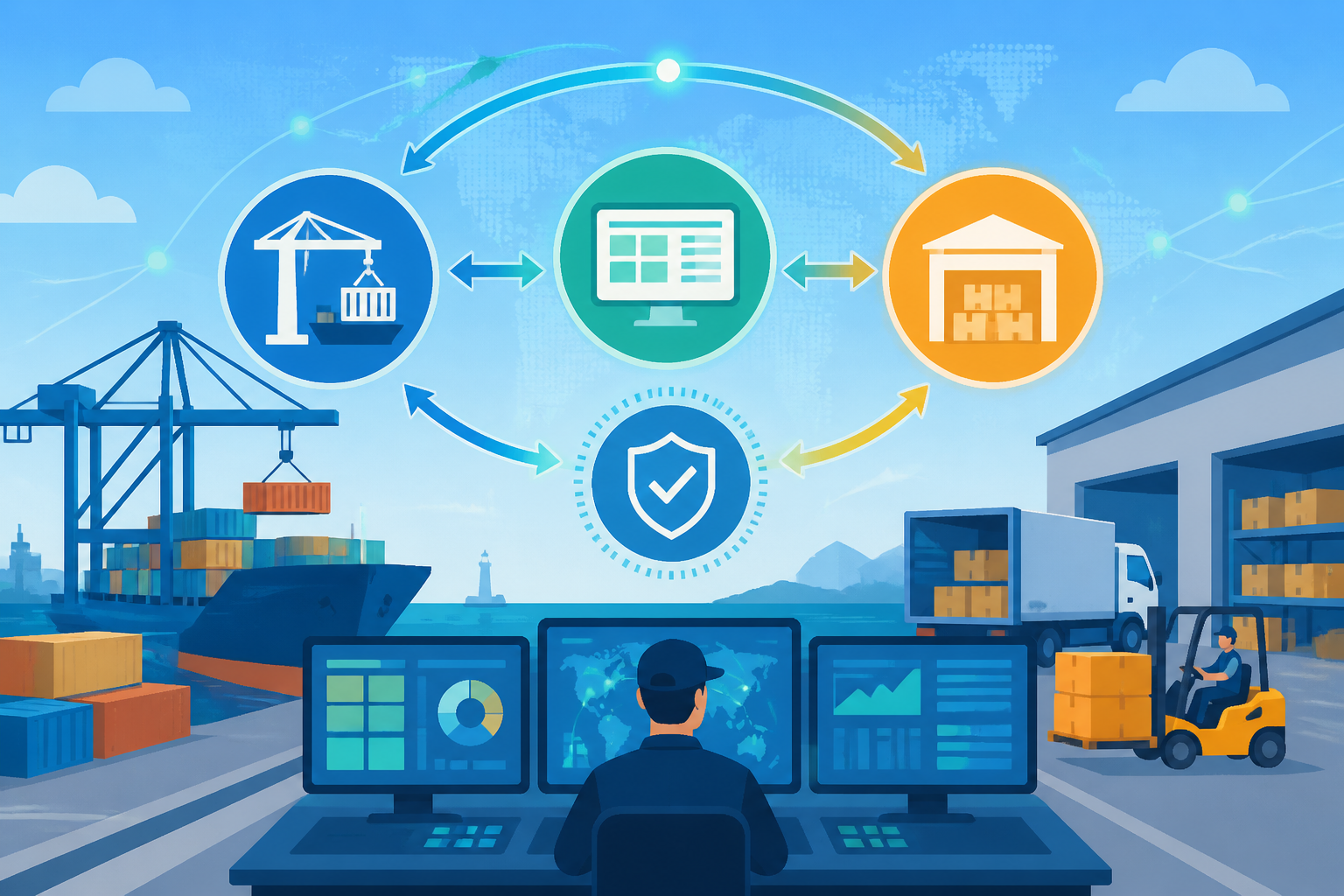
Modern, integrated terminal operating systems are central to achieving high IT uptime. PICit’s Terminal Operating System (TOS) is designed specifically for the realities of port and inland terminal operations, with features and benefits that directly address the pain points of IT and operations teams:
- Full Operational Visibility: Real-time tracking of containers, cargo, and equipment ensures that all stakeholders have access to up-to-date information, reducing the need for manual status checks and workarounds.
- Seamless Integration: TOS integrates with other core systems-such as Goods Transport System (GTS) for rail workflows and Warehouse Management System (WMS) for adjacent facilities, eliminating data silos and enabling smooth end-to-end processes.
- Automated Reporting and Compliance: By automating move reporting, customs document control, and compliance checks, TOS reduces manual intervention and the risk of errors that can cause downtime.
- Mobile and Remote Support: Tablet support for frontline teams and centralized monitoring tools for IT enable rapid response to issues, wherever they arise.
- Proven Reliability: PICit’s solutions are live at major terminals across Scandinavia and Belgium, supporting high-volume, multi-operator environments with demanding uptime requirements.
By consolidating workflows and providing a stable, scalable platform, PICit TOS empowers IT leaders to deliver the reliability that operations demand.
Building a Future-Ready IT Landscape for Logistics Terminals
The drive for higher uptime is not just about avoiding outages, it is about enabling growth, innovation, and resilience. Future-ready IT landscapes in logistics terminals share several characteristics:
- Open, Documented Integrations: Systems that are easy to connect and extend reduce technical debt and support evolving business needs.
- Scalability: Platforms that can handle increasing volumes and new operational requirements without sacrificing performance.
- Expert Support: Direct access to knowledgeable vendor teams ensures rapid troubleshooting and continuous improvement.
- Continuous Improvement: Regular updates and enhancements keep systems aligned with industry best practices and regulatory changes.
By investing in robust, integrated solutions like PICit TOS, organizations position themselves to meet the demands of modern logistics while minimizing risk and operational friction.
Conclusion: Uptime as a Strategic Asset
In today’s logistics landscape, IT uptime is not just an operational metric, it is a strategic asset that underpins business performance, customer satisfaction, and competitive advantage. For terminal operators and IT leaders, the path forward is clear: prioritize reliability, invest in integrated platforms, and build strong vendor partnerships. With the right systems and strategies in place, terminals can reduce unplanned downtime, streamline operations, and deliver the seamless service that customers expect.
Robust IT systems are the foundation of resilient, efficient terminal operations. By making uptime a central focus, logistics organizations can turn technology from a potential point of failure into a powerful driver of success.