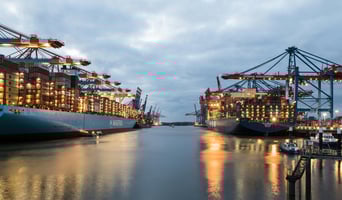
Introduction: The Changing Role of Collaboration Terminal operations are more connected than ever....

The Visibility Challenge in Modern Port Operations
Operational leaders in global port and logistics organizations face mounting complexity as they oversee multi-terminal, multi-country networks. With millions of tons of cargo moving annually across bulk, breakbulk, containers, and project cargo, even minor inefficiencies can quickly escalate into significant operational challenges. The pressure to deliver faster, more transparent, and reliable services is rising, driven by customer expectations and the competitive demands of international shipping lines.
A core obstacle is the lack of consistent, real-time visibility into performance across disparate terminals. Many organizations still rely on a patchwork of legacy Terminal Operating Systems (TOS), manual spreadsheets, and isolated databases. This fragmented approach creates blind spots, delays in reporting, and makes it difficult to benchmark or standardize processes across the network. When disruptions occur, whether due to vessel delays, IT outages, or unexpected surges in cargo volume, the ripple effects can be felt across every terminal, often before leadership is even aware of the issue.
Operational stakeholders are under constant pressure to reduce costs per handled ton, increase throughput, and respond to disruptions faster, all while maintaining safety and compliance. Yet, without unified, real-time data, achieving these goals is a constant uphill battle. Manual data consolidation not only wastes valuable time but also introduces the risk of errors and inconsistent reporting, undermining the ability to make informed, timely decisions.
How Real-Time Data Unifies Terminal Networks
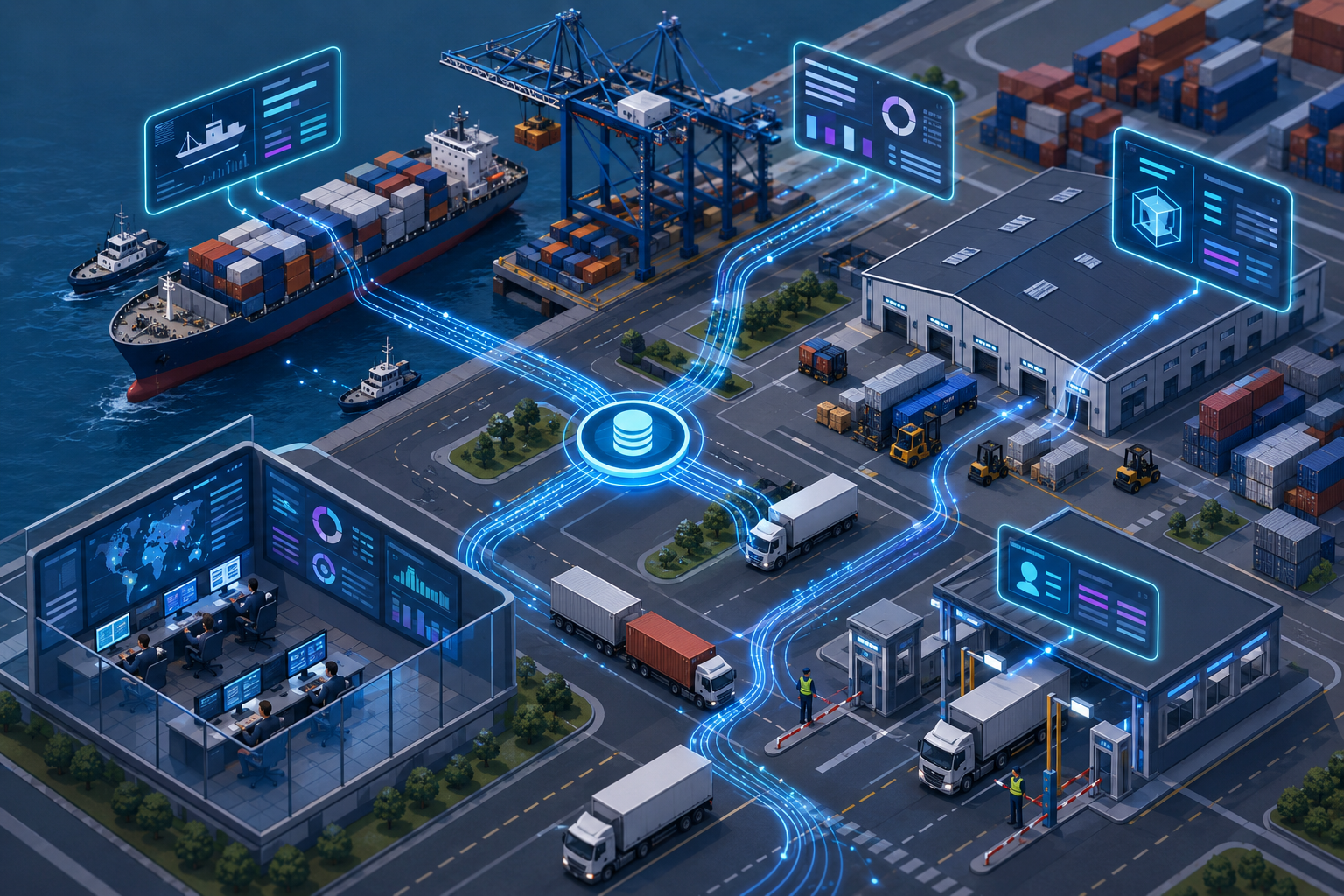
The emergence of unified, SaaS-based logistics platforms is transforming how port operators manage complexity. Solutions like PICit A/S’s Terminal Operating System (TOS) are designed to eliminate silos by integrating all operational data into a single, real-time platform. This approach delivers full operational visibility across all terminal movements, from container and cargo tracking to vessel call management and yard utilization.
With real-time container and cargo tracking, terminal operators and yard managers can monitor every movement as it happens. The TOS enables seamless integration with other critical systems, such as the Goods Transport System (GTS) for rail freight workflows and the Cargo Freight Station / Warehouse Management System (WMS) for warehouse operations, ensuring that data flows freely between rail, road, and sea operations. EDI integration and mobile support for on-the-ground teams further enhance transparency and responsiveness.
A unified TOS platform also brings all stakeholders onto a shared information platform. Shipping lines, hauliers, customs authorities, and internal teams can access the same up-to-date data, reducing miscommunication and manual handovers. This not only streamlines day-to-day operations but also supports compliance with regulatory requirements through modules like Customs / Authorities Solution, which automates customs clearance and documentation.
For operational leaders, the real advantage lies in the ability to monitor and compare KPIs, such as terminal throughput, gate turnaround time, and container dwell time, across every location in real time. Unified dashboards provide immediate insight into network-wide performance, making it possible to identify underperforming terminals, benchmark best practices, and deploy targeted improvement initiatives without delay.
Business Impact: From Disruption Response to Strategic Growth
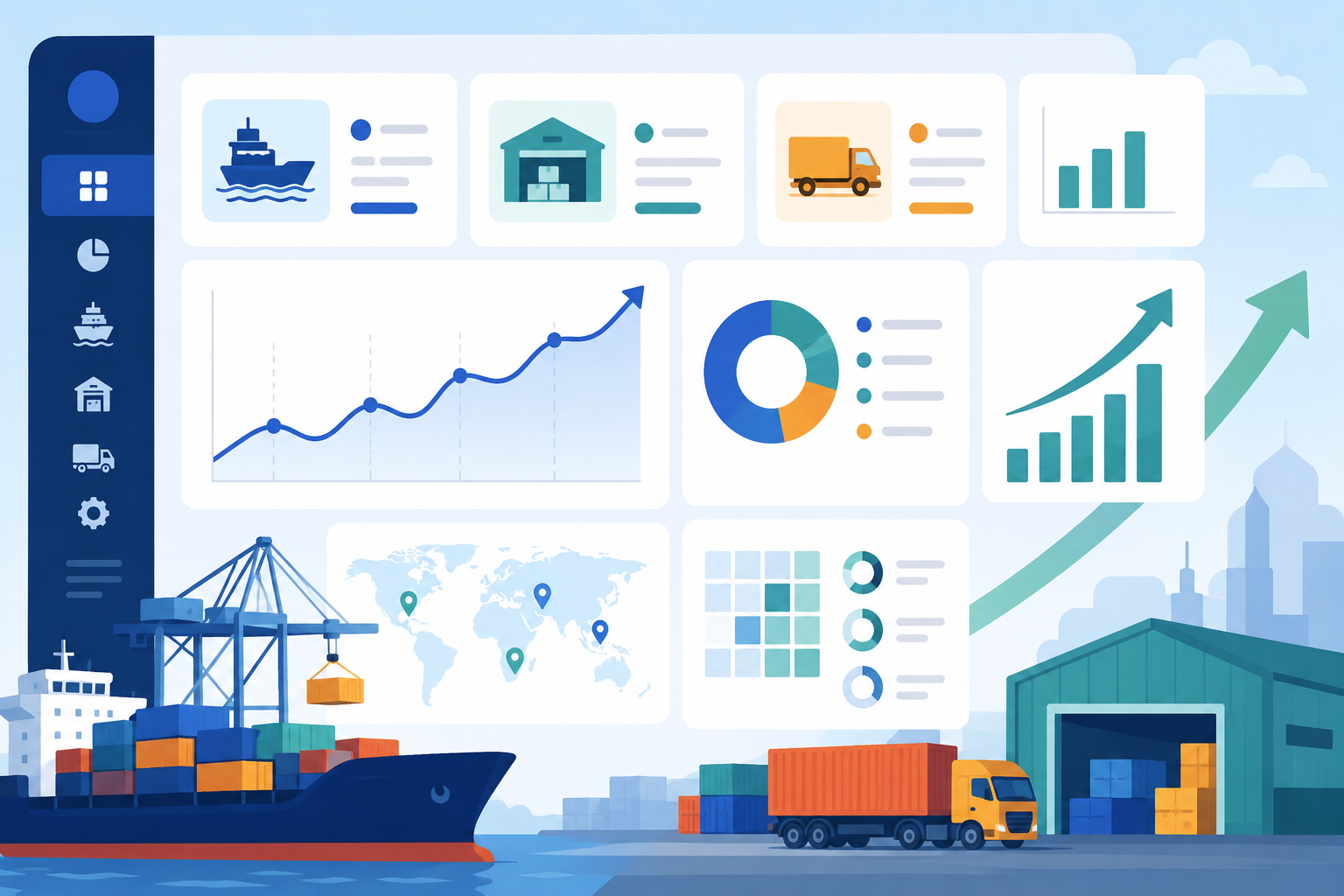
The shift to real-time, unified data platforms delivers measurable business outcomes at every level of port operations. First and foremost, it dramatically reduces the average disruption response time. When an incident occurs, such as a vessel delay or equipment outage, real-time alerts and status updates enable rapid resource reallocation and coordinated action across affected sites. This agility minimizes downtime and prevents localized issues from escalating into network-wide bottlenecks.
Operational transparency also drives cost reduction and efficiency. By standardizing workflows and consolidating systems, organizations can reduce operational costs per handled ton, eliminate redundant manual processes, and improve the accuracy of billing and invoicing. Real-time visibility into yard utilization and cargo flows supports better planning, reducing container dwell times and optimizing asset use.
Perhaps most importantly, unified data empowers a culture of continuous improvement. With consistent, network-wide KPIs at their fingertips, decision-makers can benchmark performance, share best practices, and foster collaboration between regional teams. This not only raises the overall maturity of processes but also supports scalable, long-term growth. As the organization expands into new terminals or regions, a standardized, SaaS-based platform ensures that best practices are embedded from day one, accelerating time-to-value and reducing the risk of costly integration challenges.
Finally, enhanced operational transparency strengthens relationships with partners and customers. Real-time move reporting and integrated customer portals provide the visibility that global shipping lines and logistics clients increasingly demand. This level of service reliability and predictability becomes a key differentiator in a competitive market.
Conclusion
For port and terminal operators navigating the demands of modern logistics, real-time visibility is no longer a luxury, it is a strategic necessity. Unified, SaaS-based platforms like PICit A/S’s Terminal Operating System (TOS) deliver the operational transparency, standardization, and agility required to drive efficiency, reduce costs, and respond to disruptions with confidence. By embracing these solutions, operational leaders can transform their networks from a collection of isolated terminals into a cohesive, data-driven enterprise, ready to meet the challenges of today and the opportunities of tomorrow.