Introduction: The Overlooked Backbone of Every Haulage Operation Drivers are the unsung heroes...
The Realities of Modern Truck Driving
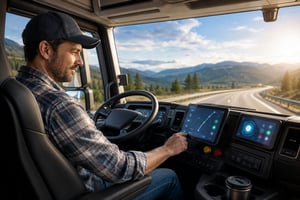
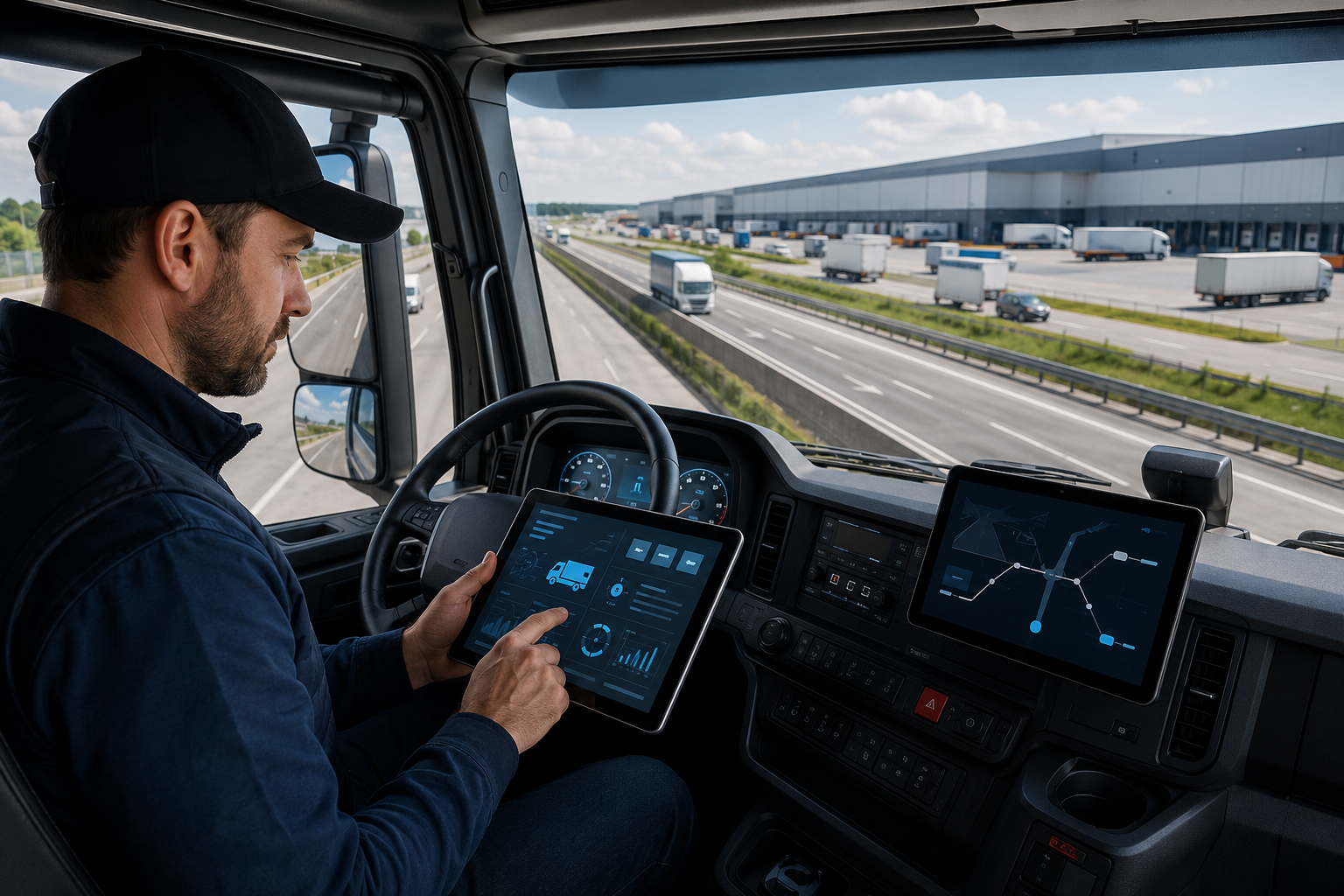
Every day, professional drivers face a complex web of schedules, route changes, and unpredictable delays. Whether waiting at a terminal for cargo to be loaded or navigating a last-minute detour, drivers are under constant pressure to deliver on time while maintaining safety and professionalism. The job demands independence and quick thinking, but it also relies heavily on clear, timely communication from dispatch and operations teams.
Unfortunately, the tools meant to support drivers often fall short. Many still depend on phone calls, SMS, or paper-based instructions, methods that are slow, prone to miscommunication, and add unnecessary stress. When a driver is left wondering about the next step or waiting for updates, productivity drops and frustration rises. In an industry where time is money, every minute spent waiting or clarifying instructions is a minute lost.
Why Simplicity Matters for Drivers
For those behind the wheel, technology should make life easier, not harder. Drivers need tools that are intuitive and reliable, providing clear instructions without a steep learning curve. Overly complex systems or poorly designed apps can quickly become a source of irritation, leading to mistakes, missed updates, or even resistance to adoption.
Operational stakeholders know that driver satisfaction is closely tied to the usability of the tools they are given. When digital solutions are simple and direct, drivers can focus on what they do best: safe, efficient deliveries. Simplicity in digital tools means less time spent on admin, fewer phone calls to dispatch, and more confidence in handling daily tasks.
How Digital Tools Can Reduce Stress and Boost Efficiency
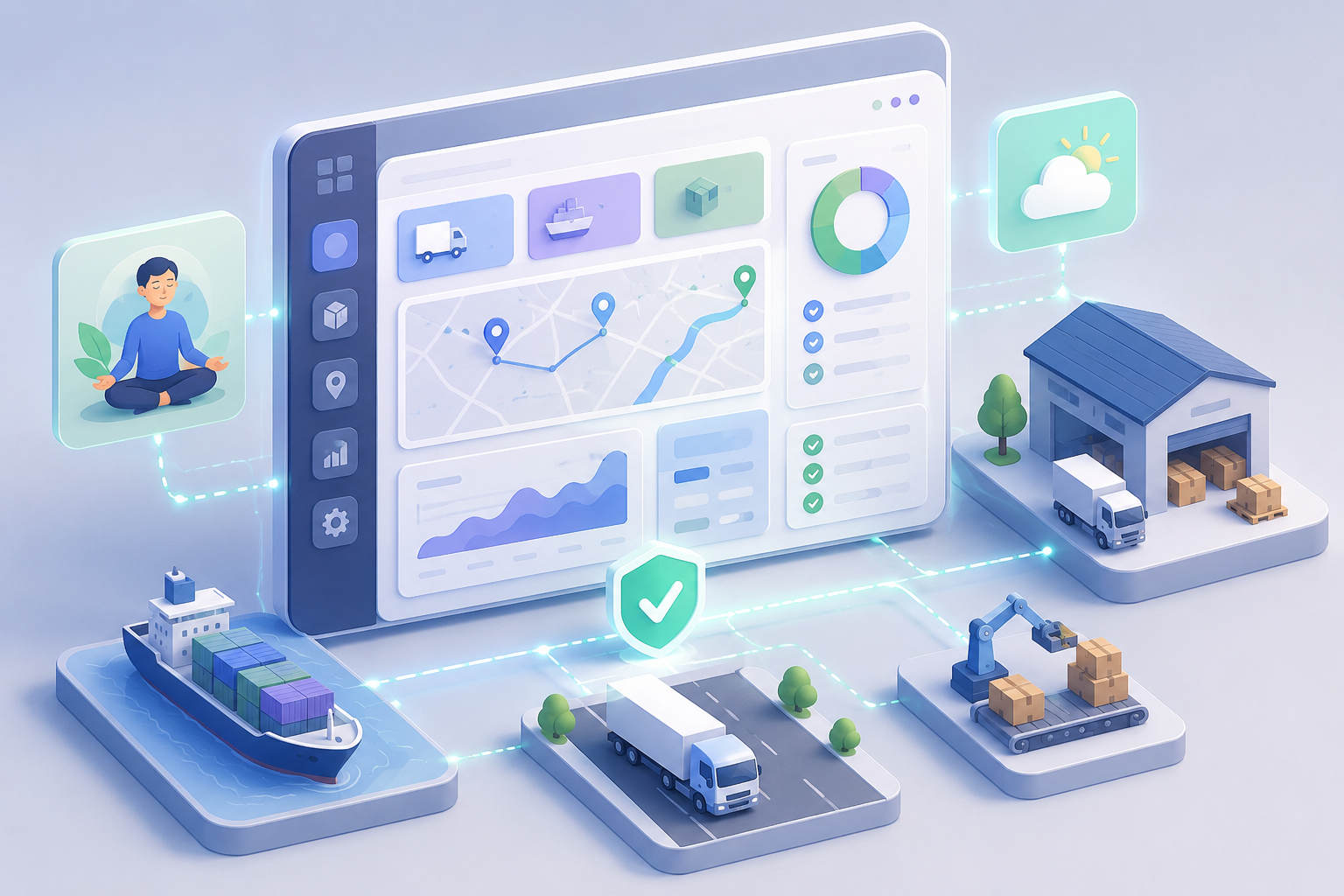
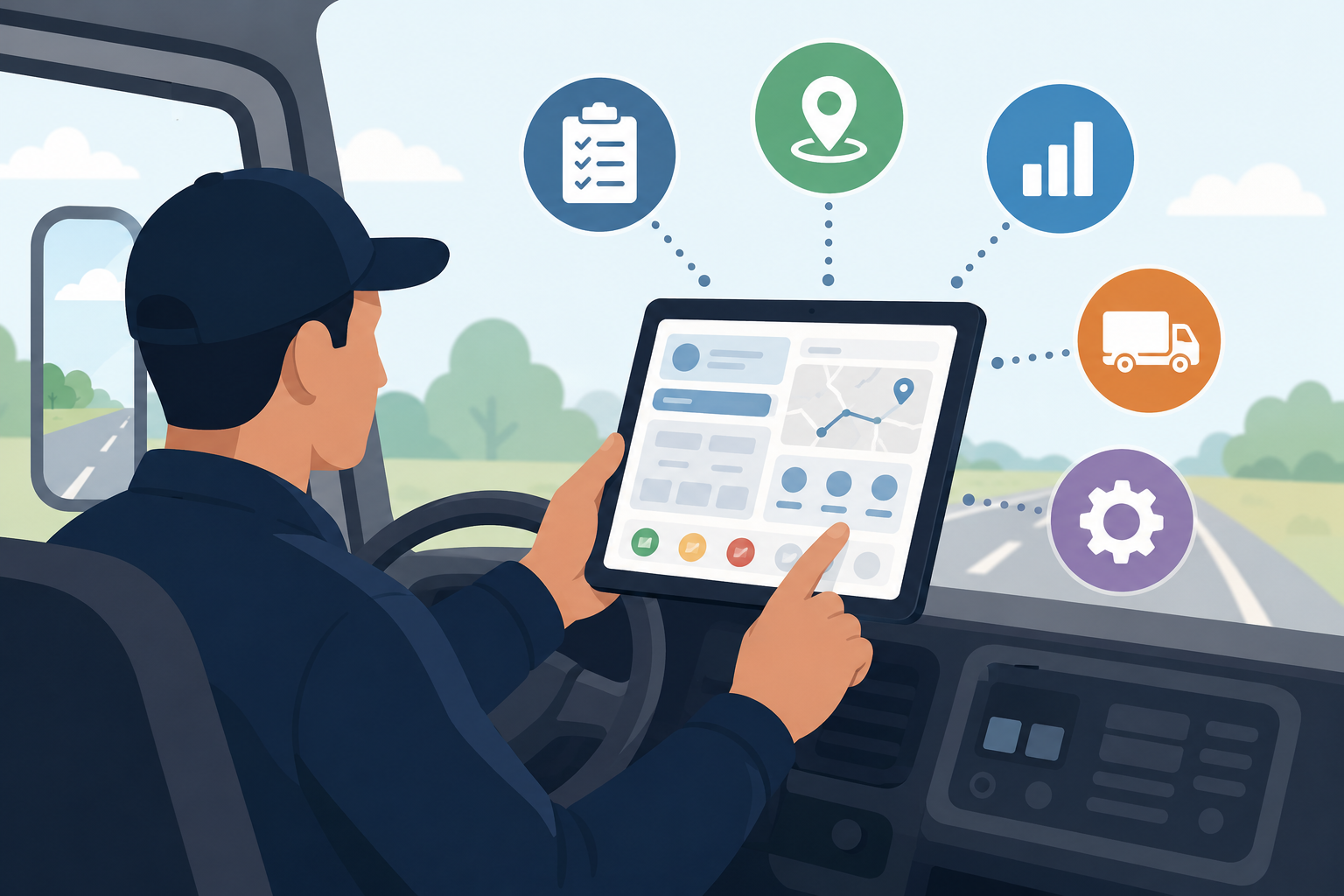
The right digital solution can transform a driver’s workday. Imagine arriving at a terminal and instantly receiving real-time updates on cargo readiness, gate status, and any changes to the delivery schedule, all from a mobile device. No more waiting in line for paperwork or calling dispatch for updates. Instead, drivers get the information they need, when they need it.
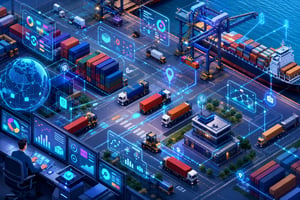
PICit’s Terminal Operating System (TOS) is designed with these needs in mind. By integrating real-time container and cargo tracking, TOS ensures that drivers receive up-to-the-minute information about their assignments. Arrival and departure order management helps minimize waiting times at terminals, while seamless communication between all parties, shipping lines, hauliers, customs, and terminal staff, reduces the risk of miscommunication.
For drivers, this means:
- Fewer unexpected delays at terminals
- Immediate notification of any route or job changes
- Clear, digital instructions that update in real time
- Less reliance on phone calls and manual paperwork
The result is a smoother, more predictable workflow that reduces daily stress and helps drivers meet their delivery targets.
What Makes a Driver-Friendly Solution?
Not all digital tools are created equal. For a solution to truly support drivers, it must be:
Intuitive: The interface should be easy to navigate, even for those who are not tech-savvy. Essential information, like job instructions, route changes, and cargo status, should be front and center.
Reliable: Downtime or glitches can be disastrous when every minute counts. Solutions must work consistently, whether in the cab, at a terminal, or on the road.
Real-Time: Delays and changes are part of logistics, but drivers need to know about them as soon as they happen. Real-time notifications and updates are essential for adapting on the fly.
Integrated: The best tools connect seamlessly with dispatch, terminal systems, and customer platforms, ensuring that everyone is working from the same playbook.
Minimal Admin: Drivers should spend as little time as possible on paperwork or manual data entry. Automated reporting and digital confirmations free up time for the tasks that matter most.
When these principles are followed, digital solutions become an asset rather than a burden. Drivers feel more in control, less stressed, and better equipped to deliver on time.
PICit: Building Technology for Drivers, Not Just Dispatch
At PICit A/S, the focus is on creating technology that works for everyone in the logistics chain, including those on the front lines. The Terminal Operating System (TOS) is a prime example of this driver-centric approach. By providing full operational visibility and eliminating manual reporting, TOS empowers drivers with the clarity and simplicity they need.
PICit’s commitment to reliability and security means that drivers can trust the information they receive. With ISO27001-certified systems and responsive support, operational stakeholders can be confident that their teams are working with stable, secure solutions.
But perhaps most importantly, PICit listens to the feedback of those who use its systems every day. Real-world input from drivers and dispatchers shapes ongoing development, ensuring that new features and updates address genuine pain points, like reducing waiting times, improving communication, and making daily routines less stressful.
For logistics companies looking to improve driver satisfaction and operational efficiency, the message is clear: simplicity isn’t just a nice-to-have. It’s a necessity. By choosing digital tools that prioritize ease of use, real-time information, and seamless integration, organizations can create a better working environment for drivers and achieve better business outcomes.
Conclusion
In the fast-paced world of road freight, drivers need more than just instructions, they need clarity, confidence, and tools that truly support their work. Intuitive digital solutions like PICit’s Terminal Operating System are helping to set a new standard for simplicity and effectiveness in logistics technology. By putting drivers first, companies can reduce stress, boost efficiency, and build a foundation for long-term success.