

Introduction: The Hidden Cost of Poor Visibility
In the fast-paced world of warehouse operations, efficiency and productivity are often measured by how quickly goods move and how few mistakes are made. Yet, beneath these metrics lies a critical factor that is frequently overlooked: team morale. When workflows are unclear and information is scattered, stress levels rise, miscommunications multiply, and even the most experienced teams struggle to maintain peak performance. For operational leaders, understanding the link between workflow visibility and morale is essential, not just for day-to-day efficiency, but for long-term staff retention and organizational health.
How Workflow Visibility Shapes Warehouse Morale
Operational stakeholders in warehouse environments know that morale is more than just a 'nice-to-have.' It directly impacts how teams respond to daily challenges, adapt to changes, and maintain consistent output. When staff lack a clear view of what needs to be done, who is responsible, and how priorities shift throughout the day, frustration grows. Manual coordination through whiteboards, spreadsheets, and verbal updates often leads to confusion, duplicated effort, and a sense of being perpetually behind.
Conversely, when team members have access to real-time information about tasks, schedules, and priorities, they feel more in control. This clarity reduces anxiety, empowers staff to make better decisions, and fosters a sense of ownership over their work. Team alignment improves, and the warehouse floor becomes a place where everyone is pulling in the same direction.
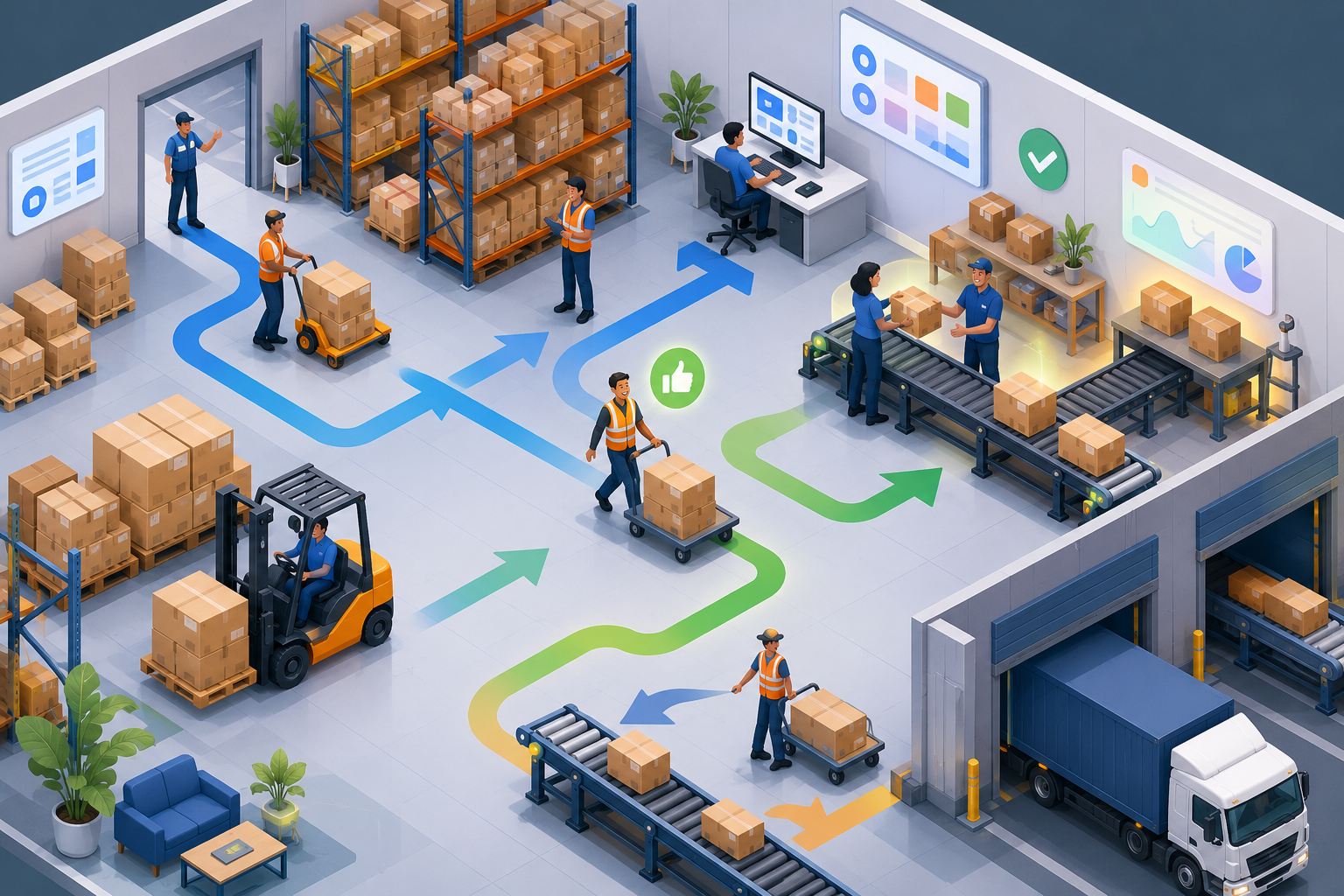
Reducing Stress and Bottlenecks with Real-Time Insights
Warehouse leaders face constant pressure to keep goods flowing and minimize downtime. Yet, limited visibility into ongoing activities and shifting priorities is a major source of stress. During peak periods, the inability to see where bottlenecks are forming or which tasks are falling behind can quickly escalate into operational chaos.
Real-time workflow visibility changes this dynamic. By providing a digital overview of all inbound and outbound activities, leaders can spot issues early and reallocate resources proactively. Automated alerts and instant updates ensure that everyone is working from the same playbook, even when transport schedules or staffing levels change at the last minute. This not only reduces operational firefighting but also helps staff feel supported and less overwhelmed by unexpected challenges.
Technology as a Leadership Tool: The Case for WMS
Modern warehouse management systems, such as PICit’s Cargo Freight Station / Warehouse Management System (WMS), are designed to address these very challenges. By consolidating inventory management, cargo tracking, and task assignment into a single, user-friendly platform, WMS eliminates the need for manual coordination and fragmented spreadsheets.
Key features like real-time inventory visibility, activity tracking, and integration with transport systems give team leaders the tools they need to keep operations running smoothly. When a delivery schedule changes or a new priority emerges, updates are instantly reflected across the system, ensuring that everyone is aligned. This transparency not only improves operational accuracy but also builds trust within the team, staff know that they have the information they need to do their jobs well.
For organizations operating at or near port facilities, integrating WMS with solutions like the Terminal Operating System (TOS) further enhances visibility across the entire logistics chain. This seamless flow of information between warehouse and terminal operations reduces miscommunications and ensures that handoffs are executed without delay.
From Morale to Retention: The Business Value of Transparent Operations
The benefits of workflow visibility extend far beyond daily productivity. High morale leads to lower turnover, as staff are more likely to stay with organizations where they feel valued and equipped to succeed. Reduced stress and clearer communication also mean fewer errors, less rework, and a safer working environment.
For logistics companies, the cost of losing experienced warehouse staff is significant. Recruitment, onboarding, and training take time and resources, while operational disruptions can impact customer satisfaction. By investing in technology that supports workflow visibility, leaders can create a more stable, engaged workforce, one that is better able to meet performance targets and adapt to changing demands.

Practical Steps to Build a More Aligned Warehouse Team
- Adopt User-Friendly Digital Tools: Choose systems that provide a clear, real-time overview of tasks and priorities without adding unnecessary complexity. Solutions like PICit’s WMS are designed for hands-on environments and support mobile access on the warehouse floor.
- Integrate Communication Channels: Ensure that updates from transport planners and other teams are instantly visible to warehouse staff. Automated alerts and shared dashboards reduce the risk of miscommunication.
- Standardize Procedures and Handoffs: Use technology to reinforce clear standard operating procedures, making it easier for teams to execute seamless handoffs and maintain alignment during shift changes.
- Foster a Feedback Culture: Encourage regular feedback from staff on workflow challenges and system usability. Involve team leaders in evaluating and refining digital solutions to ensure they meet real operational needs.
- Monitor and Celebrate Success: Track key performance indicators such as inventory accuracy, processing time, and staff satisfaction. Recognize improvements in morale and efficiency to reinforce positive change.
Conclusion: Visibility as a Foundation for Success
Warehouse operations are only as strong as the teams that execute them. By prioritizing workflow visibility and investing in technology that supports real-time coordination, leaders can create an environment where morale is high, stress is reduced, and staff are empowered to deliver their best work. The result is not just a more efficient warehouse, but a more resilient organization, one that attracts and retains top talent while consistently meeting the demands of modern logistics.
For companies looking to build a sustainable competitive advantage, the message is clear: visibility is not just a technical upgrade, but a strategic investment in people and performance.