
Introduction: When Speed Depends on Visibility In modern transport operations, the challenge is not...
Growth is often a positive development for warehouse operations. Increased volumes, new customers and expanded service requirements signal progress, but they also place greater demands on daily processes. As activity grows, the systems and routines that once worked well can begin to show their limits.
Preparing for growth is not only about adding capacity. It is about ensuring that workflows, information and coordination can scale without creating unnecessary complexity. Digital tools play a key role in supporting this transition by providing structure and clarity as operations evolve.
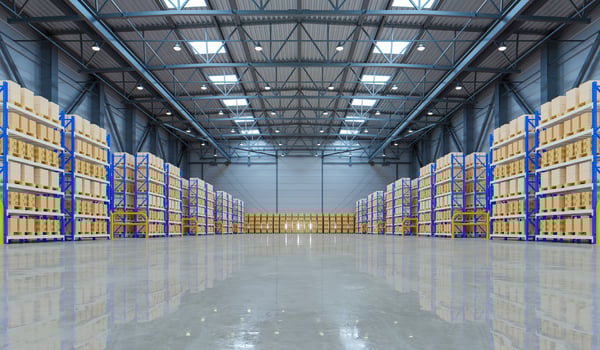
When Growth Challenges Existing Processes
Warehouse growth rarely happens all at once. It develops gradually, often revealing pressure points over time. Tasks increase, priorities shift more frequently and coordination becomes harder when information is spread across manual tools or disconnected systems.
Common challenges include:
- Limited overview of tasks and workloads
- Increased reliance on manual coordination
- Slower response to changing priorities
- Inconsistent processes across shifts
- Difficulty maintaining accuracy at higher volumes
Without the right support, these challenges can slow down operations and reduce predictability.
The Role of Digital Tools in Scaling
Digital tools support growth by making warehouse processes more visible and easier to manage. Instead of relying on manual updates and informal coordination, teams gain a clearer picture of what is happening across the operation.
This helps warehouses:
- Maintain oversight as task volume increases
- Coordinate work more consistently across teams
- Respond faster when conditions change
- Reduce dependency on individual routines
By strengthening structure, digital tools help prevent growth from turning into operational strain.
Creating Consistency Across Shifts and Teams
As warehouses grow, maintaining consistency becomes more difficult. More people, more shifts and more tasks increase the risk of variation in how work is carried out.
Digital tools support consistency by:
- Providing a shared view of priorities
- Making task status visible across shifts
- Supporting clear handovers between teams
- Reducing ambiguity in daily routines
Consistency is essential for scaling without losing control.
Supporting Better Decision-Making
Growth increases the number of decisions that must be made each day. When information is fragmented, decisions take longer and rely more on manual checks.
Digital tools improve decision-making by:
- Making relevant information easier to access
- Reducing time spent searching for updates
- Highlighting where attention is needed
- Supporting more confident prioritization
This allows teams to focus on execution rather than coordination.
Reducing Administrative Pressure
Administrative work often grows alongside warehouse activity. More orders and tasks can mean more reporting, follow-up and manual updates.
By structuring information digitally, warehouses can reduce:
- Repetitive data entry
- Manual follow-up between tasks
- Time spent aligning information across tools
- Risk of outdated or inconsistent updates
Reducing administrative pressure helps operations remain efficient as they scale.
Building a Scalable Operational Foundation
Preparing for growth requires more than reacting to increased demand. It requires building a foundation that can support higher volumes without compromising accuracy or flow.
Digital tools help create that foundation by ensuring that:
- Workflows remain clear as complexity increases
- Information flows consistently across the operation
- Teams can adapt to change without disruption
- Daily operations remain predictable and manageable
This supports sustainable growth over time.
Looking Forward
Warehouse growth brings both opportunity and complexity. By preparing processes and workflows with the right digital support, warehouses can scale while maintaining clarity, consistency and control. Digital tools play a critical role in ensuring that growth strengthens operations rather than strains them.
With a structured approach, warehouses can handle increased activity confidently and build a more resilient foundation for the future.
Want to know more? Contact us today or explore PICit WMS