

Introduction: The High Stakes of Integration in Port and Terminal IT
In the fast-paced world of port and terminal operations, IT integration is not just a technical challenge, it is a critical business imperative. When integration projects falter, the consequences ripple far beyond the IT department. Operational downtime, data inconsistencies, and delayed cargo movements can disrupt entire supply chains, erode customer trust, and drive up costs. For IT managers overseeing multi-terminal, multi-facility environments, understanding the most common integration pitfalls is essential to safeguarding operational efficiency and supporting business growth.
Pitfall 1: Underestimating Legacy System Complexity
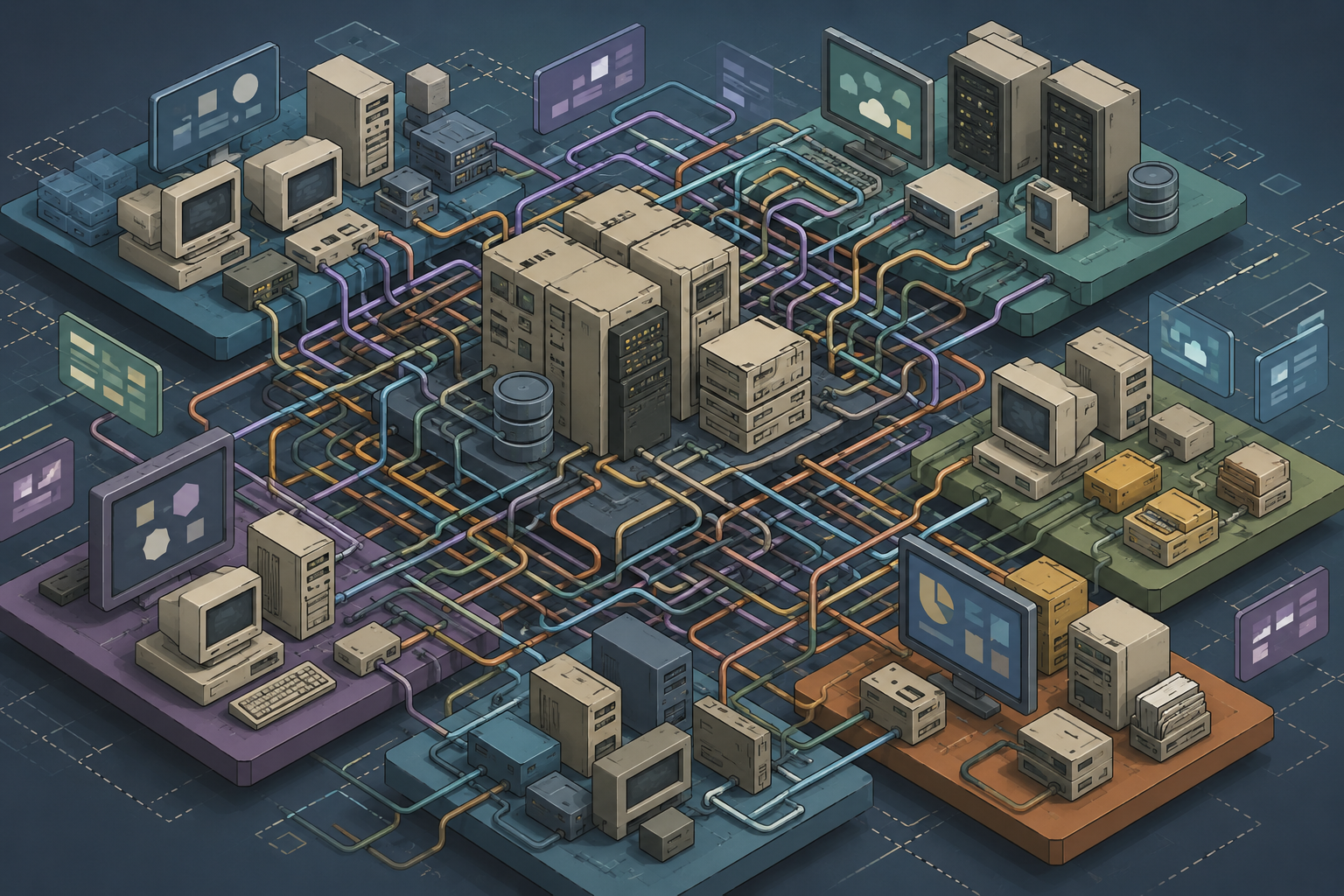
Many port and terminal operators manage a hybrid landscape of legacy and modern IT systems. While new SaaS platforms promise agility and real-time data, legacy systems often underpin core operational workflows. A frequent mistake is underestimating the complexity of these older platforms, especially when integrating with new solutions. Legacy systems may lack open APIs, use outdated data formats, or have undocumented business logic. Attempting a rapid integration without a thorough assessment can result in unreliable data flows, frequent errors, and increased downtime. IT leaders must map out all dependencies and ensure that integration plans account for the quirks and constraints of legacy infrastructure.
Pitfall 2: Data Silos and Inconsistent Data Structures
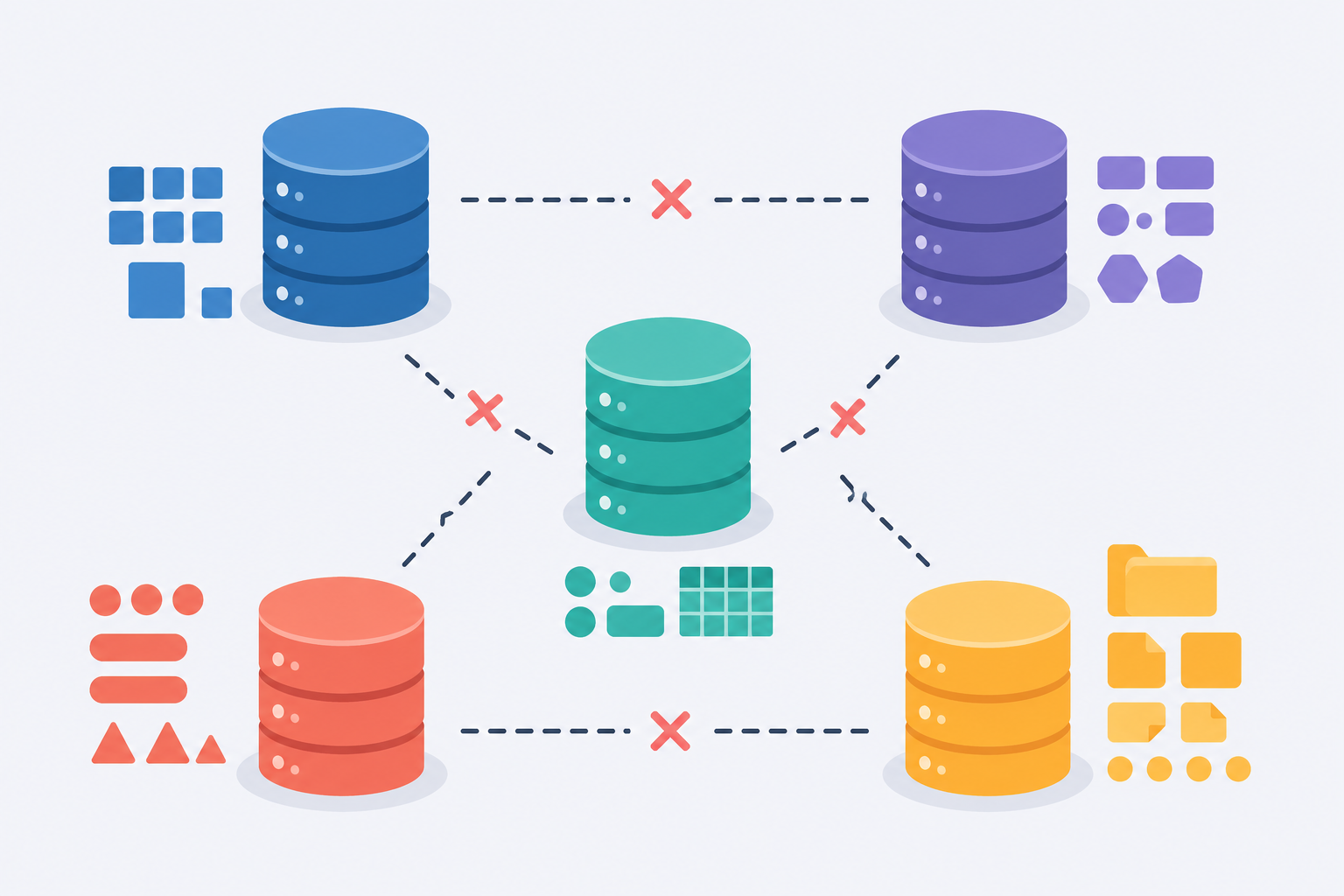
Operational friction often arises from fragmented data landscapes. When terminal, warehouse, transport, and customs systems operate in silos, manual file transfers and rekeying become the norm. This not only slows down workflows but also introduces errors and inconsistencies. Inconsistent data structures, such as mismatched container IDs or differing event timestamps, can disrupt automated processes and complicate reporting. IT managers need to prioritize solutions that facilitate seamless data exchange and enforce standardized data models across all platforms. Without this foundation, even the most advanced integration tools will struggle to deliver reliable, real-time information to frontline teams.
Pitfall 3: Overlooking Real-Time Operational Demands
Ports and terminals operate around the clock, with little tolerance for delays. Integration projects that do not account for real-time operational needs risk creating bottlenecks or even halting critical activities. For example, if a new integration cannot process container movements or customs releases in real time, gate turnaround times and vessel schedules may be compromised. IT managers must ensure that integrated systems can handle high transaction volumes and provide instant data access to operations teams. Solutions like PICit’s Terminal Operating System (TOS) are designed with these demands in mind, offering real-time container tracking, yard management, and EDI integration to keep operations moving smoothly.
Pitfall 4: Insufficient Testing and Change Management
Integration is rarely a plug-and-play exercise. Even with robust vendor support, changes to core IT systems can introduce unexpected side effects. Skipping thorough testing, especially in staging environments that mirror production, can lead to costly outages or data loss. Equally important is managing the human side of change. Operations teams rely on familiar workflows, and sudden shifts can cause confusion or resistance. IT managers should involve end users early, communicate the benefits of integration, and provide training to ensure a smooth transition. Comprehensive testing and proactive change management are essential to minimizing disruption and building trust across the organization.
Pitfall 5: Vendor Lock-In and Black-Box Integrations
Relying on proprietary or poorly documented integrations can create long-term risks. When critical data flows depend on black-box solutions, IT teams lose visibility and control. Troubleshooting becomes more difficult, and future upgrades or migrations are constrained by vendor dependencies. To avoid this, IT managers should seek out platforms that offer open documentation, standardized APIs, and transparent support processes. PICit’s approach emphasizes openly documented integrations and responsive, expert support, empowering IT teams to maintain stability and adapt as operational requirements evolve.
How PICit’s Terminal Operating System (TOS) Mitigates Integration Risks
PICit A/S specializes in secure, reliable IT systems purpose-built for the logistics and transport industry. The Terminal Operating System (TOS) addresses the integration challenges faced by modern port and terminal operators:
- Seamless Data Exchange: TOS integrates all parties, shipping lines, hauliers, customs, and terminal operations, into a unified information platform, eliminating silos and manual workarounds.
- Real-Time Operational Visibility: With real-time container and yard tracking, vessel call management, and EDI integration, TOS ensures that frontline teams have instant access to critical data.
- Open, Documented Integrations: TOS is designed for interoperability, supporting integration with legacy systems, third-party platforms, and other PICit solutions such as GTS and WMS.
- Compliance and Security: ISO27001-certified security standards and automated customs validation modules reduce compliance risks and support regulatory requirements.
- Responsive Support: PICit’s industry expertise and commitment to partnership mean IT managers receive timely, knowledgeable assistance, reducing the risk of prolonged outages or unresolved issues.
By choosing a platform like TOS, IT leaders can streamline integration projects, reduce manual intervention, and build a resilient IT environment that supports both current and future operational needs.
Conclusion: Building a Resilient, Future-Ready IT Landscape
Integration is the backbone of efficient, reliable port and terminal operations. Avoiding common pitfalls, such as underestimating legacy complexity, tolerating data silos, neglecting real-time demands, skipping testing, and accepting vendor lock-in, can make the difference between seamless operations and costly disruptions. By prioritizing open, robust, and well-supported solutions like PICit’s Terminal Operating System, IT managers can reduce risk, empower operations teams, and position their organizations for long-term success in a rapidly evolving logistics landscape.