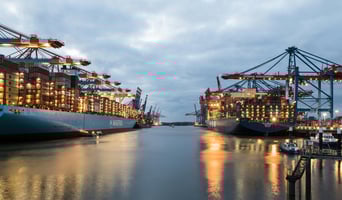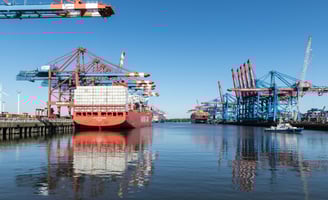
Learn how modern dashboards replace manual checklists in terminals, empowering frontline teams with...
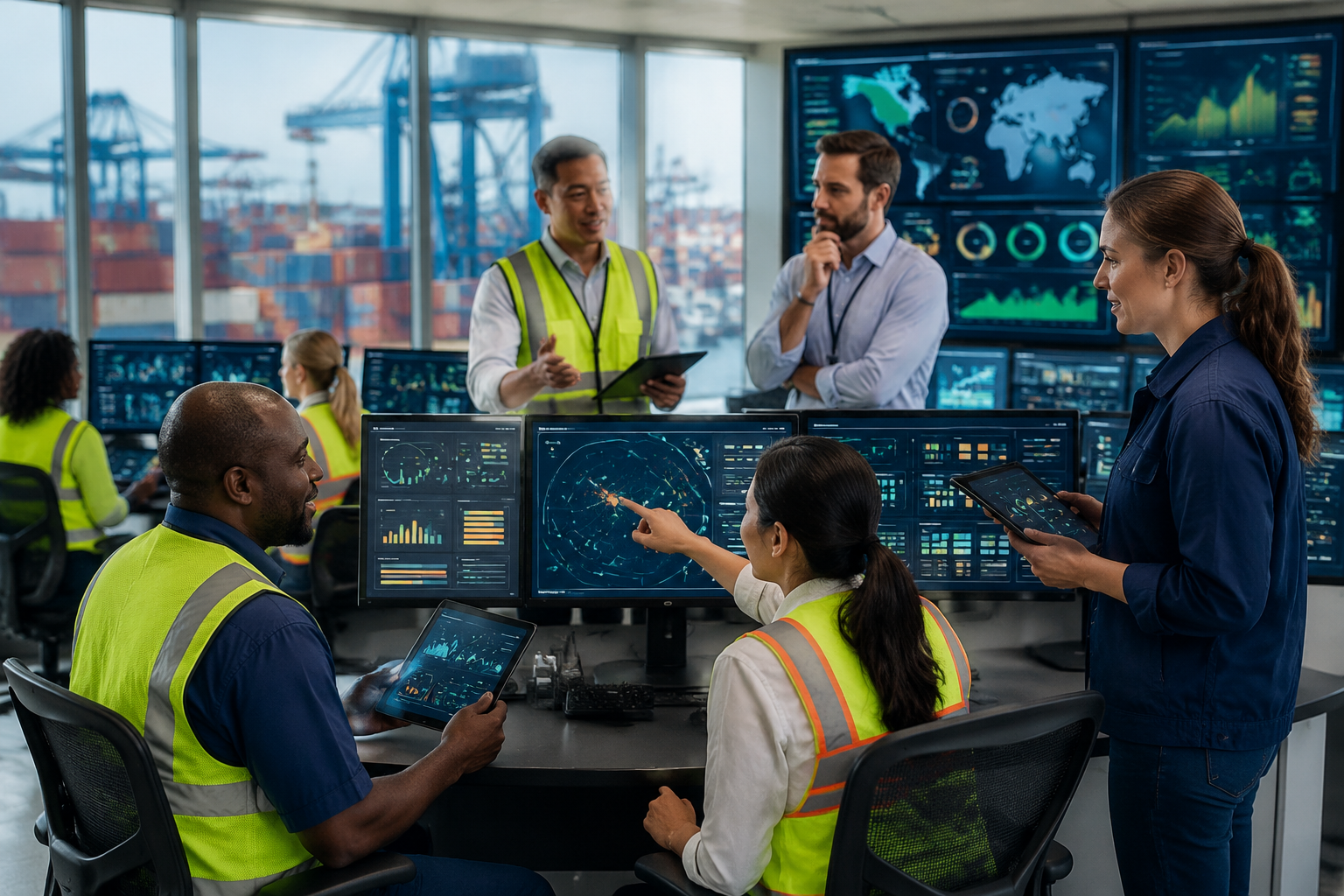
Introduction: The Human Element in Terminal Operations
In the world of port and terminal management, operational success depends on more than just cranes, containers, and schedules. The real engine behind every smooth vessel turnaround or cargo dispatch is the frontline team - operators, supervisors, planners, and managers - who coordinate countless moving parts under pressure. For these professionals, access to timely, accurate information is not a luxury but a necessity. Yet, many teams still struggle with fragmented systems, manual communication, and information silos that make daily work harder than it needs to be.
The Cost of Information Gaps and Manual Workarounds
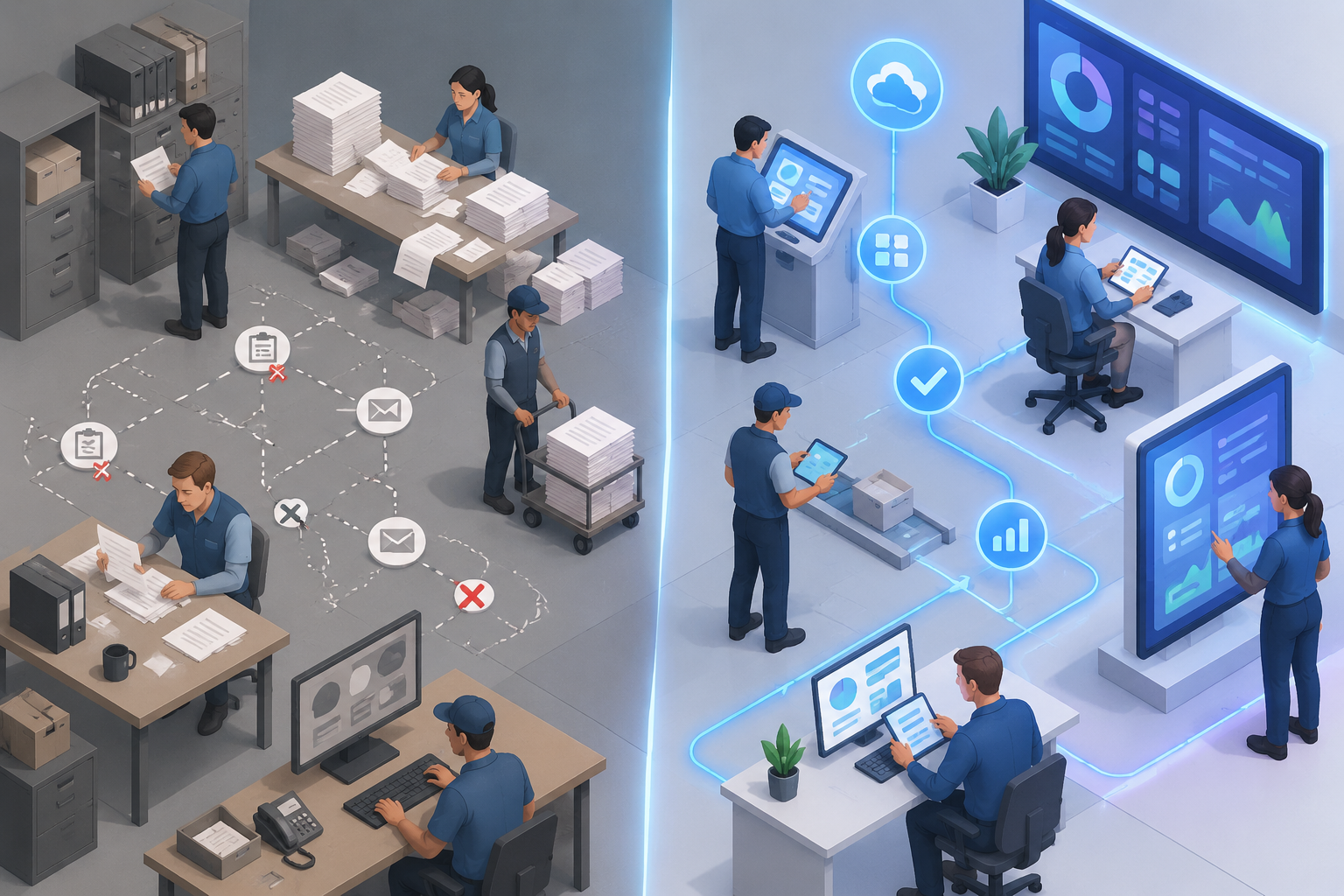
Operational stakeholders in busy terminals face a daily battle against miscommunication, manual data entry, and last-minute changes. When real-time visibility is limited, even minor disruptions can quickly snowball into costly delays. Heavy reliance on radios, face-to-face updates, and spreadsheets often leads to:
- Missed or outdated status updates
- Resource conflicts and idle equipment
- Delays in cargo movement and vessel turnaround
- Increased stress and firefighting for both staff and managers
These challenges are compounded during peak periods or when unexpected events - such as equipment failures or weather disruptions - demand rapid, coordinated responses. In such environments, the lack of intuitive, integrated tools can force teams to rely on local knowledge and ad-hoc fixes, increasing the risk of errors and reducing overall efficiency.
How User-Friendly, Real-Time Tools Transform Frontline Performance
Modern terminal operations require more than just digitalization; they demand solutions that are genuinely user-friendly and designed for the realities of the frontline. PICit A/S’s Terminal Operating System (TOS) exemplifies this approach by providing:
- Full operational visibility across all terminal movements, from vessel arrival to yard management and cargo dispatch
- Real-time tracking of containers, equipment, and workflows, accessible on mobile devices for on-the-ground staff
- Integrated communication between shipping lines, hauliers, customs, and internal teams, reducing the need for manual updates
- Elimination of manual reporting and duplication, freeing up time for proactive problem-solving
For team leaders and operational managers, these capabilities mean less time spent chasing updates and more time focused on orchestrating smooth, efficient operations. Frontline staff benefit from clear tasking, up-to-date information, and intuitive interfaces that reduce the learning curve and minimize errors.
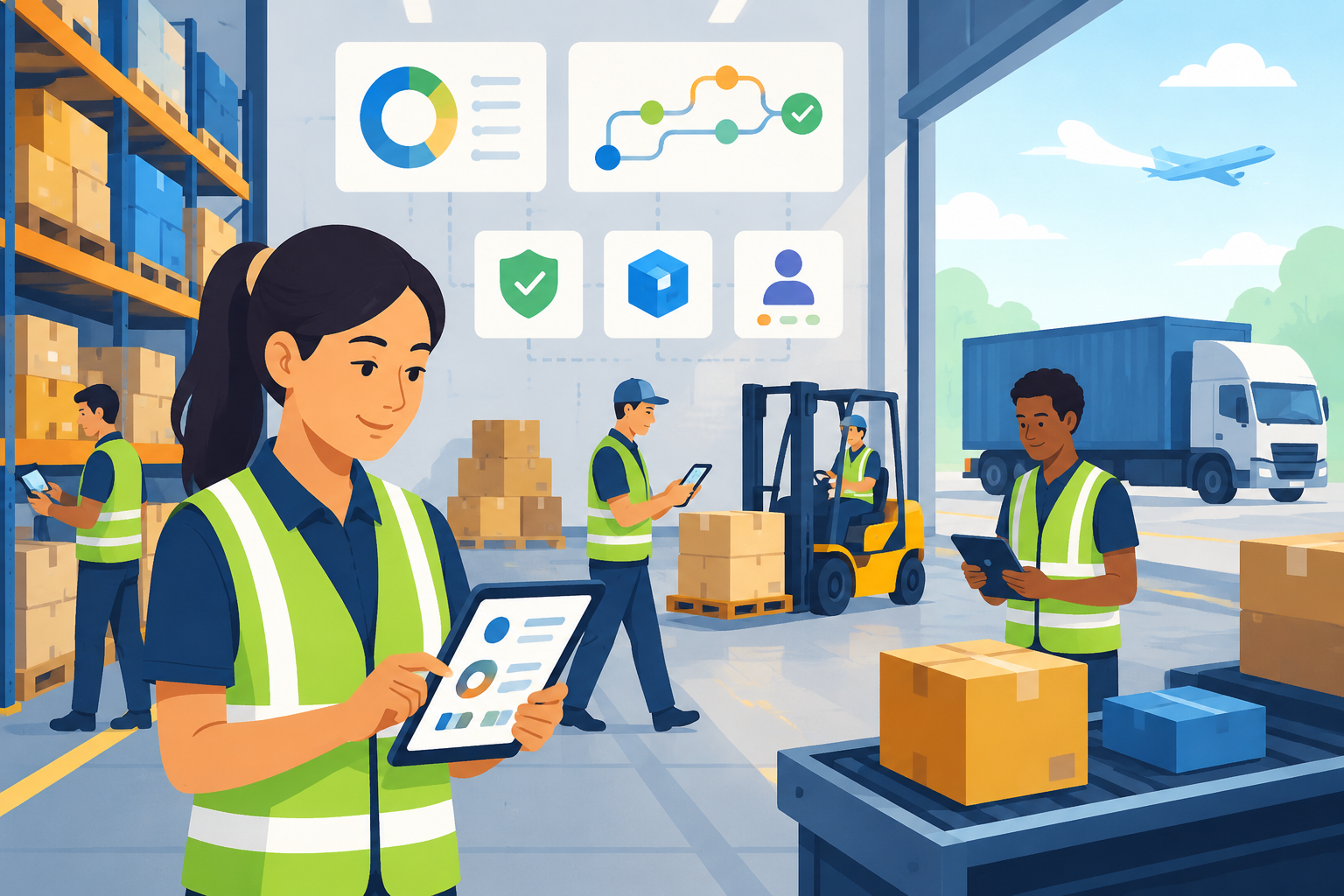
Reducing Errors and Easing Workloads: Practical Scenarios
Consider the daily realities faced by terminal teams:
- Coordinating vessel arrivals: With real-time berth and equipment status, managers can allocate crews and resources with confidence, ensuring everyone is briefed and ready. If a prior operation overruns, the system flags the issue immediately, allowing for rapid adjustment and minimizing knock-on delays.
- Responding to equipment failures: Instead of relying on word-of-mouth or delayed reports, breakdowns are detected and communicated instantly. The TOS enables quick reallocation of assets and automatic updates to all relevant teams, reducing disruption duration and supporting escalation if needed.
- Mitigating yard congestion: Real-time visibility into cargo flows and storage locations helps managers spot bottlenecks early. Adjustments to movement priorities can be made on the fly, and coordination with transport teams is streamlined, accelerating onward movements and preventing gridlock.
- Maintenance and repair coordination: With seamless integration to solutions like Estimate Maintenance & Repair (Estimate M&R), equipment issues are logged, assessed, and invoiced without manual paperwork. This not only speeds up the estimate-to-invoice cycle but also ensures accurate, auditable records for all activities.
- Warehouse and cargo management: Integration with the Cargo Freight Station / Warehouse Management System (WMS) provides full visibility into inventory and activity, reducing manual tracking errors and supporting efficient cargo consolidation and dispatch.
In each scenario, the right technology acts as an enabler—empowering teams to act swiftly, communicate clearly, and maintain control even as conditions change.
Building a Culture of Empowerment and Efficiency
Empowering frontline teams is not just about deploying new software; it’s about fostering a culture where information flows freely and every team member feels confident in their role. User-friendly, real-time tools support this by:
- Making critical information accessible to everyone who needs it, whether in the control room or on the yard
- Reducing the administrative burden on staff, allowing them to focus on operational excellence rather than data entry
- Supporting fast, informed decision-making, especially during high-pressure or dynamic situations
- Enabling proactive identification of bottlenecks and disruptions, so issues are addressed before they escalate
When operational stakeholders have the right tools, they are better equipped to meet ambitious goals—such as reducing vessel turnaround times, cutting delays from miscommunication, and managing increased throughput without additional headcount.
Conclusion: The Path Forward for Terminal Teams
The human factor remains central to terminal success. By equipping teams with intuitive, real-time solutions like PICit’s Terminal Operating System, organizations can bridge information gaps, reduce manual effort, and empower staff at every level. The result is a more resilient, efficient, and motivated workforce. one that can meet the demands of modern logistics while maintaining the highest standards of safety and service.
For terminal leaders seeking to move beyond firefighting and towards proactive, coordinated operations, the answer lies in technology that puts people first. Empower your frontline with better information, and watch operational performance reach new heights.