

Introduction: The Prevalence of Manual Communication in Terminals
Across busy port terminals, operational leaders face relentless pressure to keep cargo moving efficiently and safely. Despite advances in logistics technology, many terminals still rely heavily on radios, spreadsheets, and face-to-face updates to coordinate vessel arrivals, yard movements, and equipment allocation. These manual processes have become deeply embedded in daily routines, often seen as the quickest way to solve immediate problems. However, beneath the surface, they introduce hidden costs that can undermine both operational performance and the bottom line.
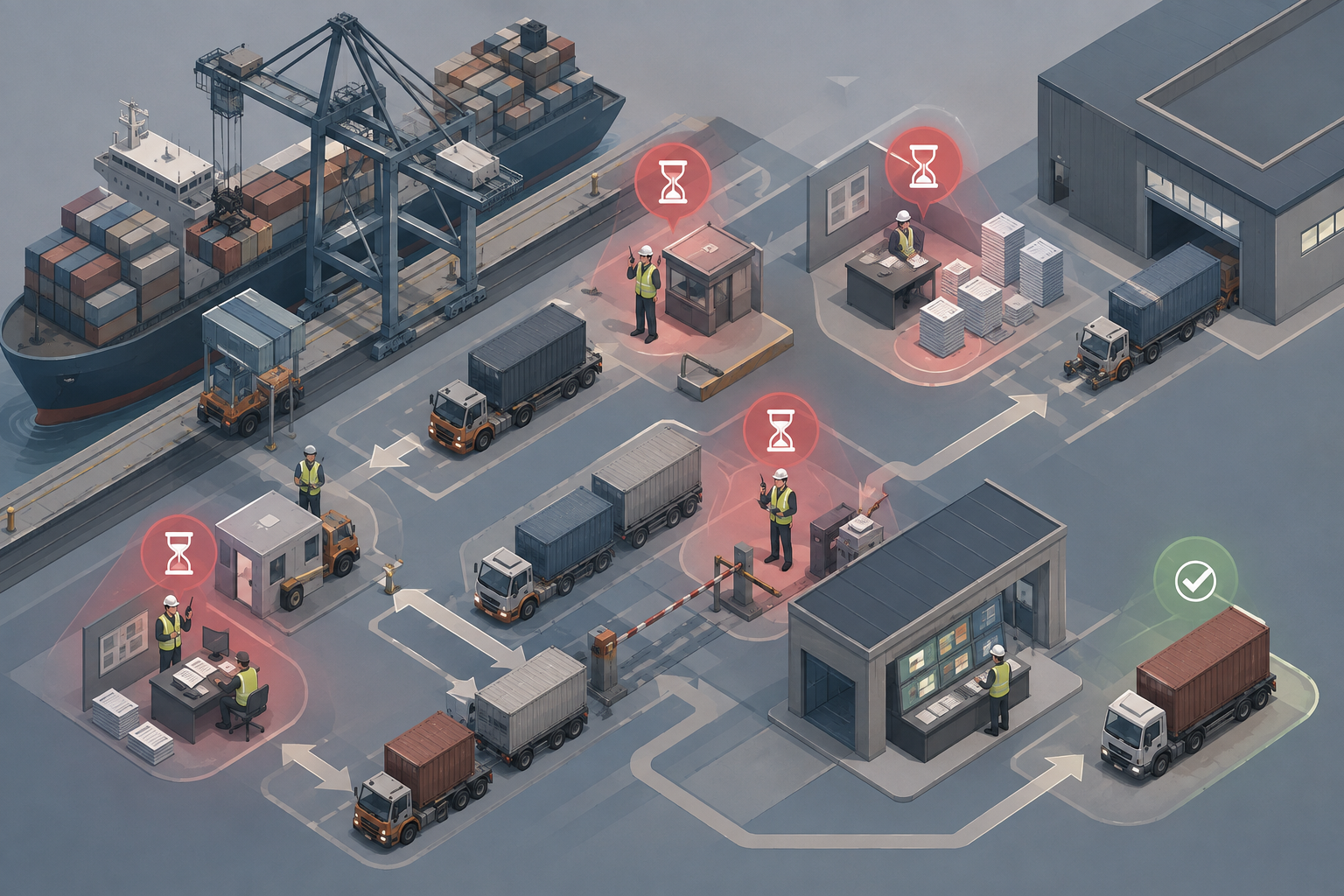
Operational Inefficiencies: Where Manual Processes Fall Short
Manual communication methods, such as radio calls, ad-hoc meetings, and spreadsheet tracking, are inherently limited in their ability to provide real-time, accurate information across the terminal. When teams depend on fragmented updates and local knowledge, several challenges emerge:
- Information Gaps: Critical updates may not reach all stakeholders promptly, leading to misaligned actions and duplicated efforts.
- Delayed Response: Identifying bottlenecks or equipment failures often relies on someone noticing an issue and relaying it manually, which can delay corrective action.
- Resource Conflicts: Without a unified view of equipment and staff allocation, teams may inadvertently double-book assets or leave resources idle.
- Reactive Planning: Constantly shifting schedules and priorities are difficult to manage with static tools like whiteboards or spreadsheets, making proactive planning nearly impossible.
These inefficiencies are magnified during peak periods, when the volume and complexity of operations increase. The result is a cycle of firefighting, where teams spend more time reacting to problems than optimizing performance.
Financial Impact: Quantifying the Cost of Delays and Errors
While manual workflows may seem cost-effective on the surface, they often mask significant financial risks. The true cost of relying on radios and spreadsheets becomes clear when examining the downstream effects:
- Increased Vessel Turnaround Time: Delays in communication can extend vessel stays at berth, incurring additional port fees and reducing terminal throughput.
- Idle Equipment and Labor: Poor visibility into real-time status leads to underutilized assets and staff, driving up operational costs without delivering additional value.
- Error-Driven Rework: Manual data entry and verbal instructions are prone to mistakes, resulting in misrouted cargo, incorrect documentation, and the need for costly corrections.
- Missed Revenue Opportunities: When operational delays stack up, terminals may be forced to turn away additional business or fail to meet service level agreements with shipping partners.
For operations managers tasked with reducing vessel turnaround times and increasing throughput without expanding headcount, these hidden costs can quickly erode margins and damage customer relationships.

Operational Risks: Visibility Gaps and Safety Concerns
Beyond financial implications, manual communication introduces operational risks that can compromise safety and reliability. Key risks include:
- Limited Real-Time Visibility: Without a centralized system, it is difficult to maintain an accurate, up-to-the-minute picture of cargo location, equipment status, and workforce deployment.
- Delayed Incident Response: Equipment failures or safety incidents may go unreported or be communicated too slowly, increasing the risk of escalation.
- Compliance Challenges: Manual processes make it harder to ensure that all regulatory requirements, such as customs documentation or dangerous goods handling, are consistently met and auditable.
- Inconsistent Handover: Shift changes and team handovers are vulnerable to missed information, leading to operational gaps and increased risk of error.
These risks are particularly acute in environments where small disruptions can rapidly escalate, affecting not only the terminal but also downstream supply chain partners.
The Case for Digital Workflows in Terminal Operations
Modern terminal operations demand solutions that provide real-time visibility, seamless coordination, and actionable insights. Digital platforms like PICit’s Terminal Operating System (TOS) are designed to address the core pain points of manual communication:
- Unified Information Platform: TOS integrates vessel, yard, and workforce data into a single, accessible system, ensuring all stakeholders have the same real-time information.
- Automated Tasking and Alerts: The system can automatically assign tasks, flag bottlenecks, and escalate issues, reducing reliance on manual updates and minimizing response times.
- Operational Analytics: With comprehensive reporting and analytics, managers can identify trends, measure performance against KPIs, and make informed decisions to drive continuous improvement.
- Seamless Integration: TOS connects with other PICit solutions, such as Goods Transport System (GTS) and Estimate Maintenance & Repair (Estimate M&R), breaking down silos and streamlining workflows from booking to invoicing and equipment maintenance.
- Ease of Use: Designed for frontline adoption, TOS offers intuitive interfaces and mobile support, enabling rapid onboarding and minimizing training overhead.
By moving away from radios and spreadsheets, terminals can achieve higher throughput, reduce operational delays, and enhance both safety and service quality, all without adding complexity or headcount.
Conclusion: Turning Awareness into Action
The hidden costs of manual communication in terminal operations are too significant to ignore. Operational leaders who recognize these inefficiencies and risks are better positioned to champion digital transformation within their organizations. By adopting integrated solutions like PICit’s Terminal Operating System, terminals can unlock new levels of efficiency, reliability, and profitability. The path forward begins with acknowledging the limitations of manual workflows and taking proactive steps to modernize operations for the demands of today’s logistics landscape.