

Introduction: The Realities of Manual Compliance in Port Logistics
In today’s port logistics landscape, compliance is not just a regulatory checkbox, it is a daily operational imperative. Yet, many organizations still rely on spreadsheets, emails, and manual document collection to manage compliance activities. This approach, while familiar, is fraught with hidden costs and risks that can threaten both operational integrity and business reputation. For compliance leaders, the pressure to ensure zero failures and seamless audit readiness is mounting as regulations grow more complex and customer scrutiny intensifies.

Quantifying the Risks: Time, Errors, and Regulatory Exposure
Manual compliance processes are inherently time-consuming. Consolidating documentation from disparate systems, chasing missing records via email, and reconciling inconsistent data formats can consume hours, sometimes days, of valuable staff time each month. According to industry benchmarks, compliance teams in medium-to-large logistics operators may spend up to 40% of their time on manual data entry and cross-checking alone.
This heavy reliance on manual work introduces significant risk. Human error is inevitable when copying data between spreadsheets or reconciling reports from multiple departments. A single missed entry or duplicated record can cascade into audit findings, regulatory breaches, or even fines. In fragmented environments, it becomes nearly impossible to maintain real-time visibility into compliance actions, making it harder to detect procedural deviations or respond quickly to incidents.
The regulatory landscape is also evolving rapidly. New safety, environmental, and customs requirements are introduced regularly, increasing the administrative burden. Without integrated systems, compliance teams struggle to keep up, leading to outdated documentation and gaps in audit trails.
The Business Impact: What Manual Processes Are Really Costing You
The costs of manual compliance extend far beyond staff hours. Consider the following business impacts:
- Audit Preparation Overhead: Fragmented data sources mean audit preparations are tedious and stressful. Teams must manually collect, validate, and organize documentation, increasing the risk of missing or inconsistent records. This not only delays audits but can also result in negative findings.
- Operational Disruption: When compliance data is not readily available or accurate, operational teams face delays. For example, containers may be held up at the gate due to incomplete customs documentation, impacting throughput and customer satisfaction.
- Financial Risk: Errors in compliance reporting can lead to regulatory fines, lost business opportunities, and reputational damage. In some cases, a single compliance failure can cost tens of thousands of euros in penalties and lost contracts.
- Lost Productivity: Highly skilled compliance professionals spend valuable time on low-value tasks like data entry and chasing paperwork, rather than focusing on risk mitigation and process improvement.
- Inconsistent Procedures: Without centralized systems, enforcing standard compliance procedures across multiple sites and shifts is challenging. This inconsistency increases the likelihood of deviations and non-compliance events.
How Automation Transforms Compliance and Reduces Risk
Modern compliance automation platforms, such as PICit’s Customs / Authorities Solution, are designed to address these challenges head-on. By automating customs clearance checks, reducing manual processing, and enabling direct system-to-system filing with national authorities, these solutions dramatically cut the time and risk associated with compliance workflows.
Key benefits of compliance automation include:
- Reduced Manual Work: Automated documentation and reporting features minimize human error and eliminate the need for repetitive data entry.
- Real-Time Visibility: Integrated dashboards provide up-to-date compliance status across all departments and sites, enabling proactive risk management.
- Audit-Readiness: Digital document control and automated audit trails ensure that all required records are accurate, complete, and easily accessible for inspections.
- Regulatory Agility: Automated systems can be updated quickly to reflect new regulatory requirements, keeping your organization ahead of compliance changes.
For example, the Customs / Authorities Solution offers Customs Document Control (CDC) for import clearance validation, digital customs document handling, and direct EDI integration with national customs authorities. This not only streamlines container release processes but also ensures regulatory compliance across import, export, and dangerous goods workflows.
Integration: The Key to Sustainable Compliance Excellence
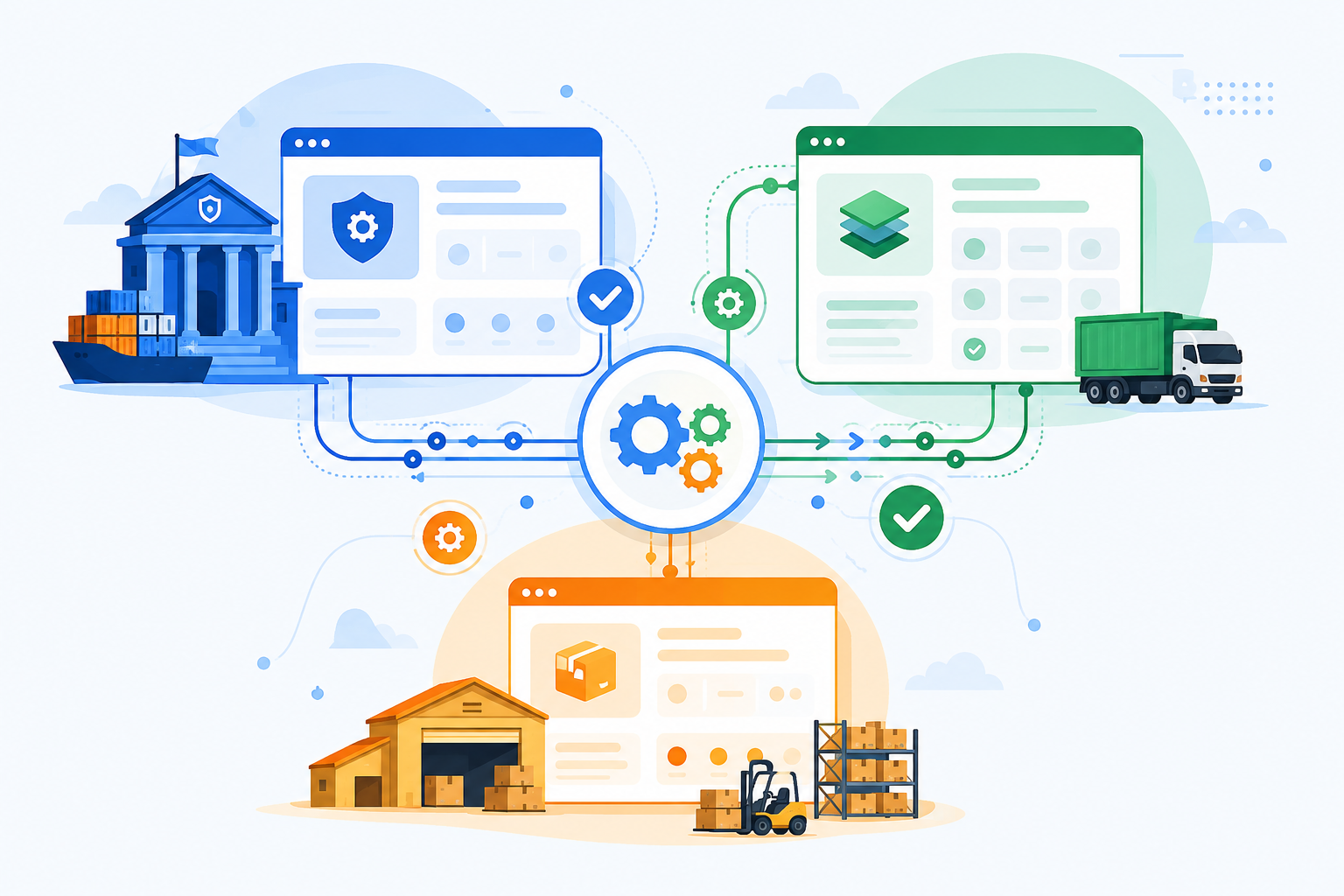
Automation alone is not enough. True compliance excellence requires seamless integration between compliance, operational, and reporting systems. When Terminal Operating Systems (TOS), Warehouse Management Systems (WMS), and customs solutions are connected, compliance data flows automatically from operational events, eliminating silos and reducing double-handling.
Integrated platforms enable:
- Consistent Data Across Departments: All teams work from the same source of truth, reducing discrepancies and ensuring standardized procedures.
- Faster Incident Response: Real-time alerts and cross-system visibility allow compliance teams to detect and address deviations immediately.
- Simplified Reporting: Automated consolidation of compliance data from TOS, WMS, and customs systems accelerates monthly and annual reporting cycles.
- Scalable Compliance: As operations expand to new sites or cargo types, integrated systems can be configured to support evolving regulatory requirements without adding manual workload.
PICit’s ecosystem, including the Terminal Operating System (TOS) and Cargo Freight Station / Warehouse Management System (WMS), is built to support this level of integration. By connecting operational and compliance data, organizations gain the transparency and control needed to meet today’s demanding regulatory standards.
Conclusion: Moving Beyond Spreadsheets for a Safer, More Efficient Future
The hidden costs of manual compliance are real and growing. From wasted staff hours and increased error rates to regulatory risk and lost business, spreadsheet-based processes are no longer sustainable for modern port logistics operators. By embracing automation and integrated compliance solutions, organizations can reduce manual workload, improve audit readiness, and foster a culture of operational excellence.
Now is the time to move beyond spreadsheets. Investing in compliance automation not only protects your business from risk but also empowers your teams to focus on what matters most: safe, efficient, and compliant operations.