
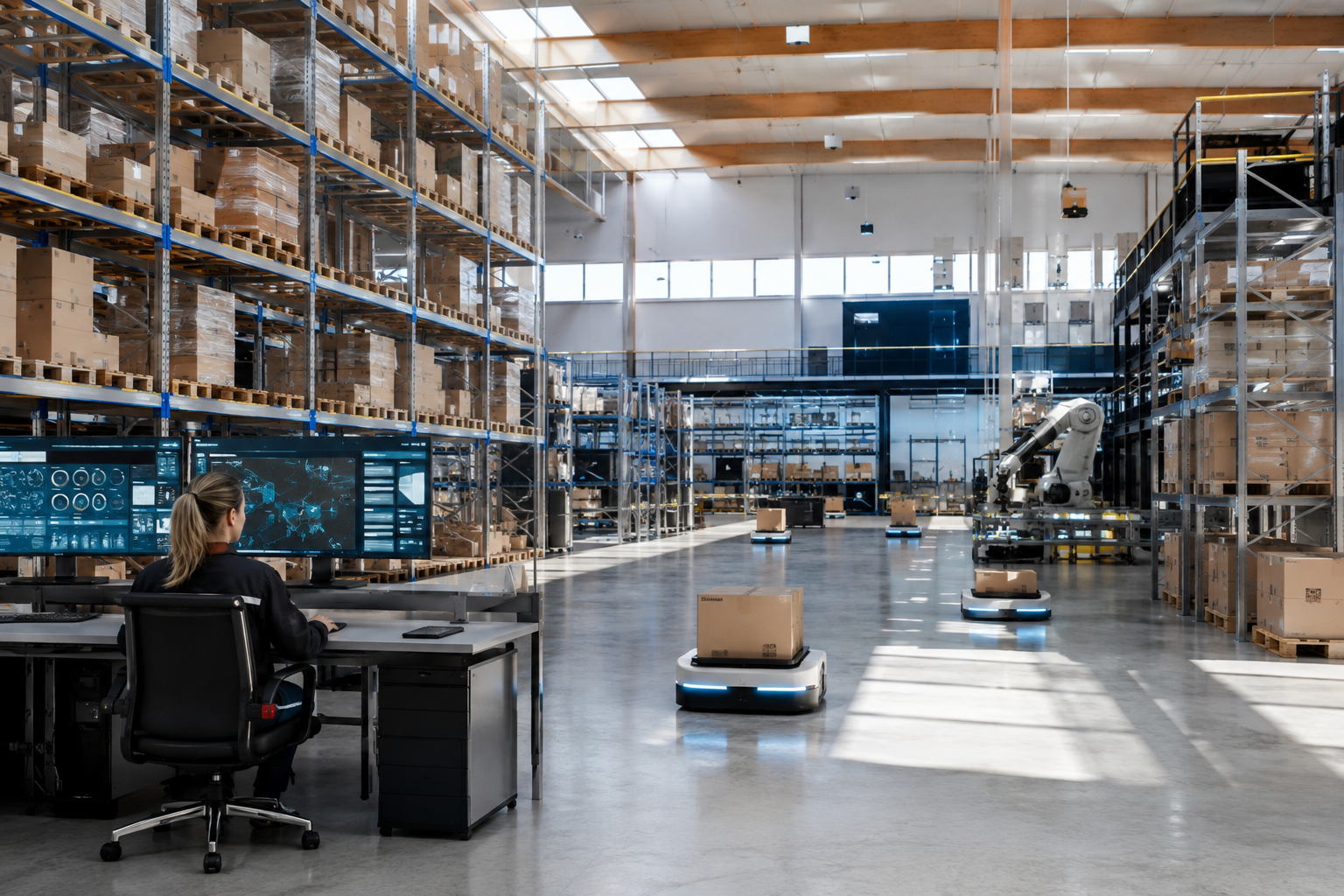
Introduction: The Nordic Benchmark for Scalable Warehousing
Warehouse leaders across Europe are under pressure to do more with less. As customer expectations rise and logistics networks become more complex, the ability to scale operations efficiently, without simply adding more staff, has become a defining trait of industry leaders. Nowhere is this more evident than in the Nordic region, where logistics organizations have set a high bar for operational excellence. Their approach offers practical lessons for warehouse directors seeking to boost throughput, maintain accuracy, and support business growth while keeping headcount steady.
Key Challenges in Scaling Without Increasing Headcount
For operational stakeholders, scaling a warehouse is not just about handling more volume. It’s about maintaining service levels, accuracy, and cost control as the business grows. The most common pain points include:
- Limited real-time visibility into inventory and activities, making it hard to spot and resolve bottlenecks quickly.
- Inefficient space utilization and suboptimal layouts, which restrict throughput and create congestion during peak periods.
- Heavy reliance on manual processes, spreadsheets, paper checklists, and ad-hoc workarounds, that slow down operations and introduce errors.
- Coordination challenges between warehouse and transport teams, leading to delays in loading, unloading, and missed delivery windows.
- Difficulty scaling processes during growth surges without adding more staff, which impacts profitability and agility.
Addressing these challenges requires a shift from manual, reactive management to a proactive, technology-driven approach.
Nordic Best Practices: Technology-Driven Efficiency
Nordic logistics leaders have consistently demonstrated how the right technology can unlock operational scalability. Their success is built on several best practices:
1. Real-Time Operational Visibility
By deploying advanced Warehouse Management Systems (WMS), Nordic operators gain live insight into inventory, dock status, and goods movement. This visibility enables faster decision-making, proactive congestion management, and immediate response to disruptions—without the need for additional supervisors or manual tracking.
2. Seamless Integration Across the Supply Chain
Leading organizations connect their warehouse systems with transport and terminal operations. This integration ensures that schedules, inventory data, and activity flows are synchronized, reducing handoff delays and minimizing manual reconciliation between teams.
3. Automation of Repetitive Tasks
Routine activities such as inventory check-in, storage allocation, and billing are automated, freeing up staff to focus on higher-value tasks. Automated workflows also reduce errors and speed up processing times, supporting higher throughput without extra headcount.
4. Data-Driven Continuous Improvement
Nordic warehouses leverage analytics to identify bottlenecks, monitor KPIs, and drive ongoing process optimization. This culture of continuous improvement ensures that efficiency gains are sustained as the business evolves.
Real-World Example: Streamlining Operations with PICit WMS
Consider a mid-sized logistics warehouse in Denmark facing rapid growth in inbound and outbound flows. Traditionally, the team relied on spreadsheets and manual checklists to track inventory and coordinate with transport planners. As volumes increased, so did errors, delays, and the risk of lost or misplaced items.
By implementing the Cargo Freight Station / Warehouse Management System (WMS) from PICit, the warehouse achieved several transformative outcomes:
- Full Visibility: Real-time dashboards provided instant insight into inventory levels, cargo locations, and dock status. Supervisors could spot congestion and reallocate resources on the fly.
- Streamlined Activity Tracking: Automated scanning and digital activity logs replaced manual checklists, reducing data entry time and minimizing errors.
- Integrated Operations: The WMS connected seamlessly with the Terminal Operating System (TOS) and Goods Transport System (GTS), ensuring that warehouse, terminal, and transport teams worked from a single source of truth.
- Improved Space Utilization: The system’s storage tracking and analytics highlighted underused areas, enabling layout adjustments that boosted throughput without expanding the facility or hiring more staff.
- Faster Turnaround: Truck loading and unloading times dropped as dock assignments and schedules were dynamically managed based on live data, not static plans.
The result was a significant increase in throughput, a measurable reduction in manual workload, and a significant improvement in inventory accuracy, all achieved without increasing headcount.
Integrating Warehouse and Transport for Seamless Growth
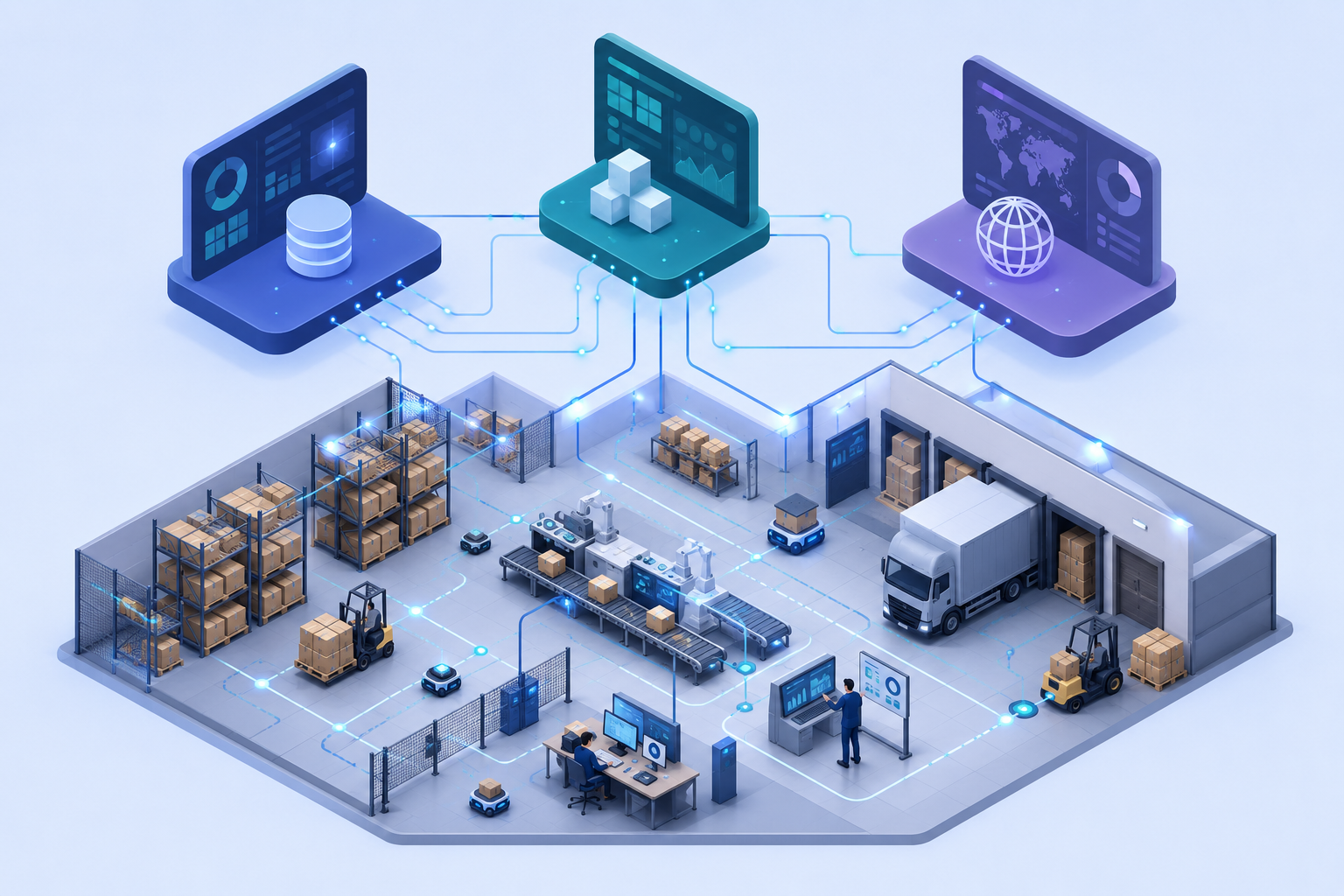
One of the most powerful lessons from the Nordics is the value of integration. Siloed systems and disconnected teams are a major barrier to scalable growth. By connecting the WMS with transport planning and terminal operations, organizations can:
- Eliminate Double Handling: Automated data flows reduce the need for manual reconciliation and duplicate entry.
- Enhance Coordination: Real-time updates on arrivals, departures, and inventory status enable teams to adjust plans quickly and avoid bottlenecks.
- Support Multimodal Operations: Integrated systems make it easier to manage complex flows across road, rail, and port facilities, supporting business expansion without a proportional increase in staff.
PICit’s ecosystem, with its WMS, TOS, and GTS solutions, is designed to provide this level of integration, supporting both day-to-day efficiency and long-term scalability.
Measuring Success: KPIs and Continuous Improvement
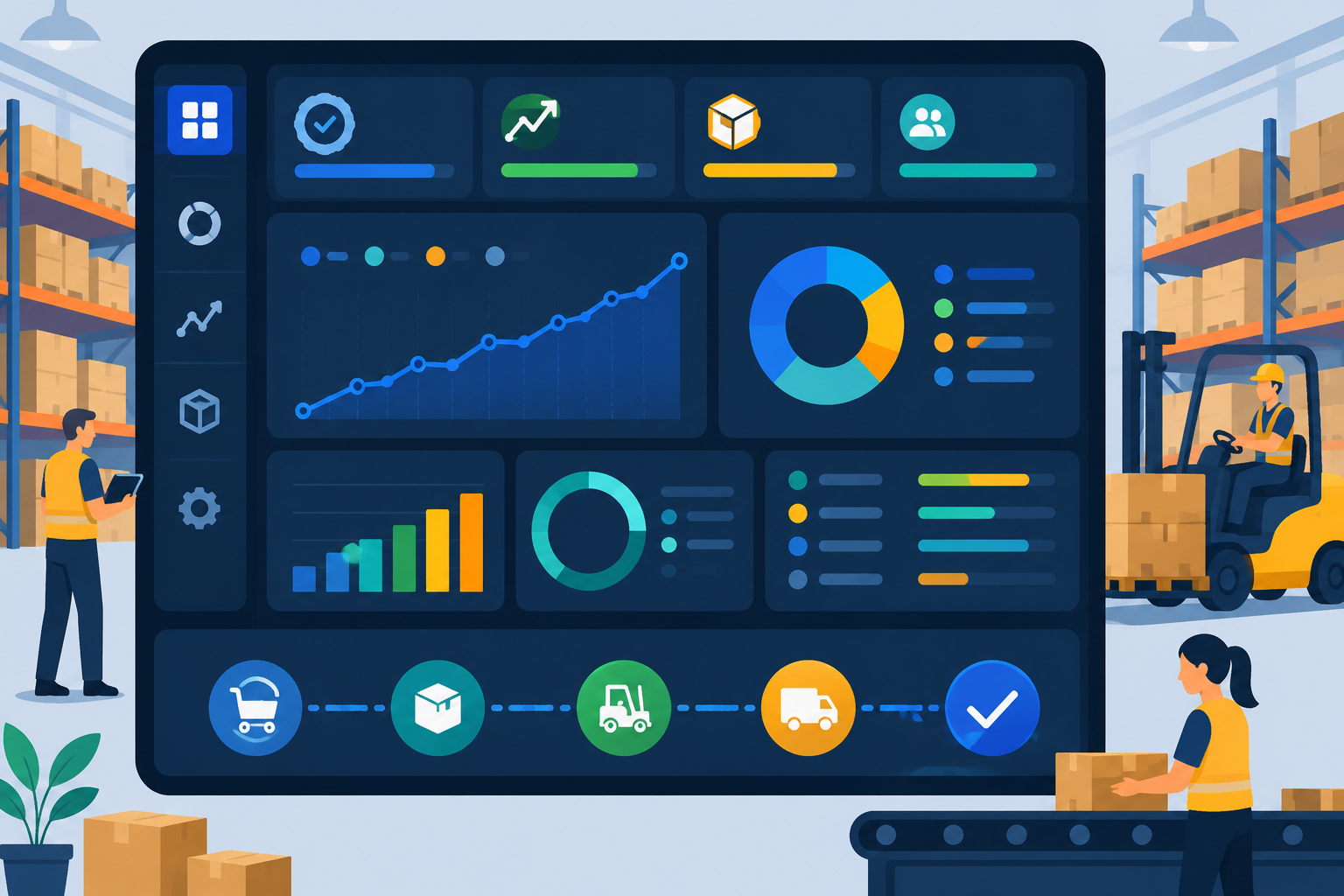
Scaling efficiently is not a one-time project but an ongoing journey. Nordic leaders focus on a set of core KPIs to track progress and guide improvement efforts:
- Inventory Accuracy: Maintaining accuracy to minimize lost or misplaced items and reduce downstream costs.
- Throughput: Measuring the volume of goods processed per shift or day, aiming for year-over-year increases without extra staff.
- Turnaround Time: Tracking average truck loading/unloading times and setting targets for reduction.
- Manual Workload: Monitoring time spent on data entry, reconciliation, and exception handling, with the goal of continuous reduction.
With real-time data and analytics from systems like PICit WMS, warehouse leaders can identify trends, benchmark performance, and drive targeted improvements.
Conclusion: Building a Future-Ready, Scalable Warehouse
The Nordic approach to warehouse scaling is grounded in practical, technology-enabled strategies that deliver measurable results. By investing in integrated, real-time systems and fostering a culture of continuous improvement, warehouse directors can boost performance, control costs, and support business growth, all without simply adding more people.
For organizations aiming to become recognized leaders in logistics, the lessons from the Nordics are clear: scalable success is built on visibility, integration, and a relentless focus on operational excellence. With solutions like PICit’s Cargo Freight Station / Warehouse Management System, the path to efficient, future-ready warehousing is within reach.