
Key takeaways
-
Terminal waiting times rarely have one cause: manual gate processes, unclear communication, unpredictable cargo readiness, and missing real-time updates add up.
-
Every hour a truck stands still costs hauliers productivity and money and makes drivers' days unpredictable.
-
Digital check-in and a transport order management system replace paperwork and phone calls with real-time instructions.
-
Connecting TOMS with a Terminal Operating System (TOS) gives drivers and terminal staff the same up-to-date information.
Terminal waiting time is the time a truck spends at a port, rail, or inland terminal beyond what is needed to load or unload: queuing at the gate, waiting for cargo to be ready, or waiting for instructions. It is one part of what the industry calls truck turnaround time.
In this article, PICit A/S, based in Aarhus, Denmark, looks at what causes these delays, what they cost, and what digital tools can realistically change for drivers, hauliers, and terminal operators.
What Causes Long Waiting Times at Terminals?
Long waiting times at terminals are rarely caused by a single factor. They usually come from a combination of four things:
-
Manual gate processes: paper-based check-in and manual document checks slow down entry and exit.
-
Unclear communication: dispatch and terminal staff do not share the same information, so drivers have to call to clarify.
-
Unpredictable cargo readiness: the container or cargo is not ready when the truck arrives.
-
No real-time updates: when plans change, drivers find out too late to adapt.
When drivers arrive at a terminal, they often encounter queues at entry gates, incomplete paperwork, or uncertainty about loading schedules. Each of these bottlenecks adds up, leading to wasted hours and more increased stress.
In many operations, entry and exit procedures still rely on paper-based systems or digital tools that do not communicate with each other. Drivers may need to call dispatch for clarification, wait for manual check-ins, or search for terminal staff to confirm their next steps. This lack of integration and automation is a major cause of long, idle periods at terminals.
Cost of Terminal Delays for Hauliers and Drivers
Terminal delays cost hauliers productivity and money, and the effects spread through the rest of the logistics chain. For transport companies, every minute a truck is stationary means lost productivity, higher costs, and less satisfied customers. For drivers, the impact is even more immediate: unpredictable schedules, missed delivery windows, and mounting frustration.
Heavy dependence on phone calls and manual updates creates communication bottlenecks. When instructions or schedule changes are unclear or delayed, drivers cannot adjust their plans in time. This uncertainty not only affects job satisfaction but also increases the risk of errors and safety incidents. In a sector where time-sensitive deliveries and regulatory compliance are critical, excessive waiting undermines both operational and business goals.
How Can Terminals and Hauliers Reduce Waiting Times?
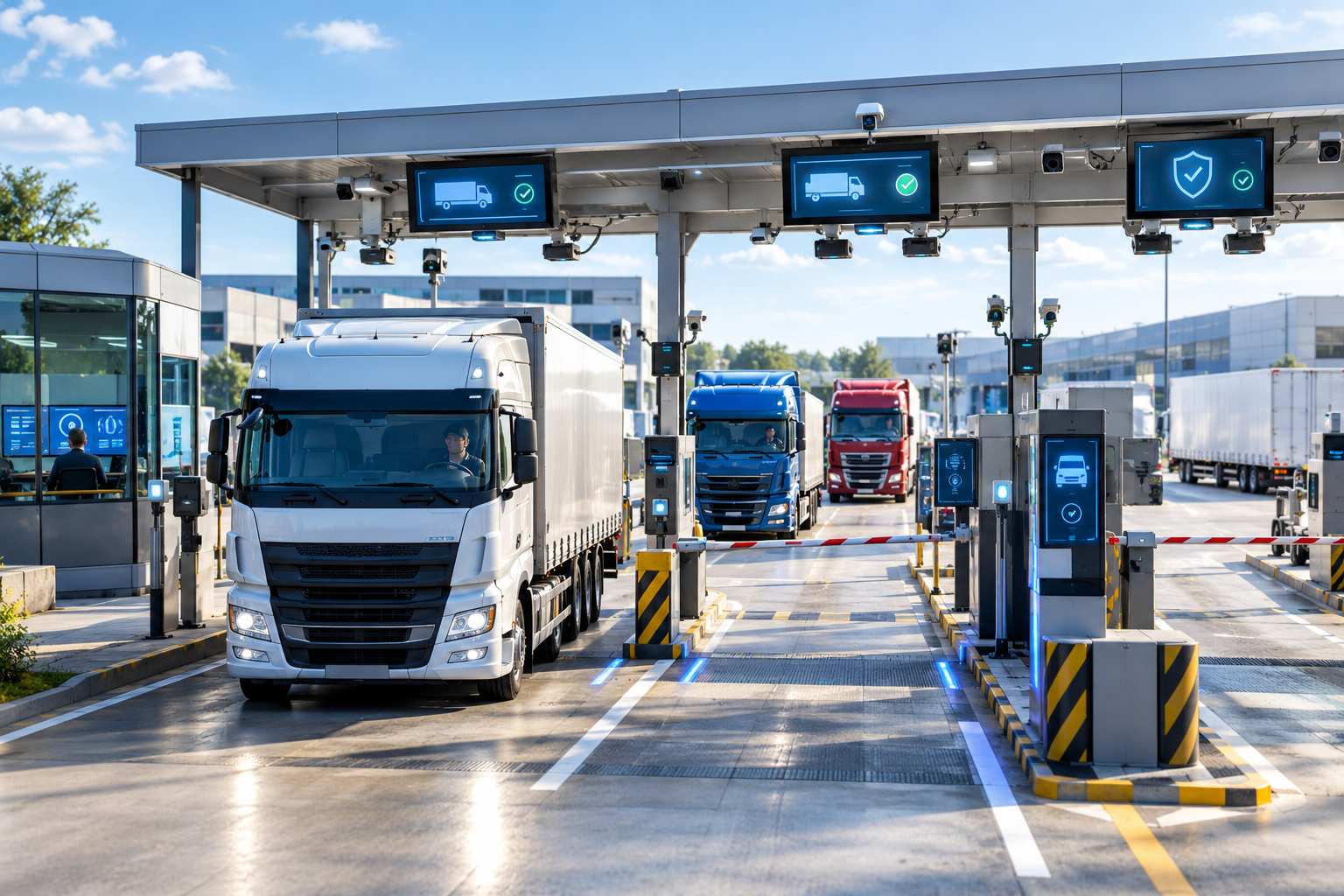
The most effective way to reduce waiting times is to replace manual steps with digital ones: digital check-in at the gate, shared real-time information, and job instructions sent straight to the driver. By connecting drivers, dispatchers, and terminal operators, digital gate and transport management systems remove many of the manual steps that cause delays.
How PICit’s TOMS Keeps Drivers Informed
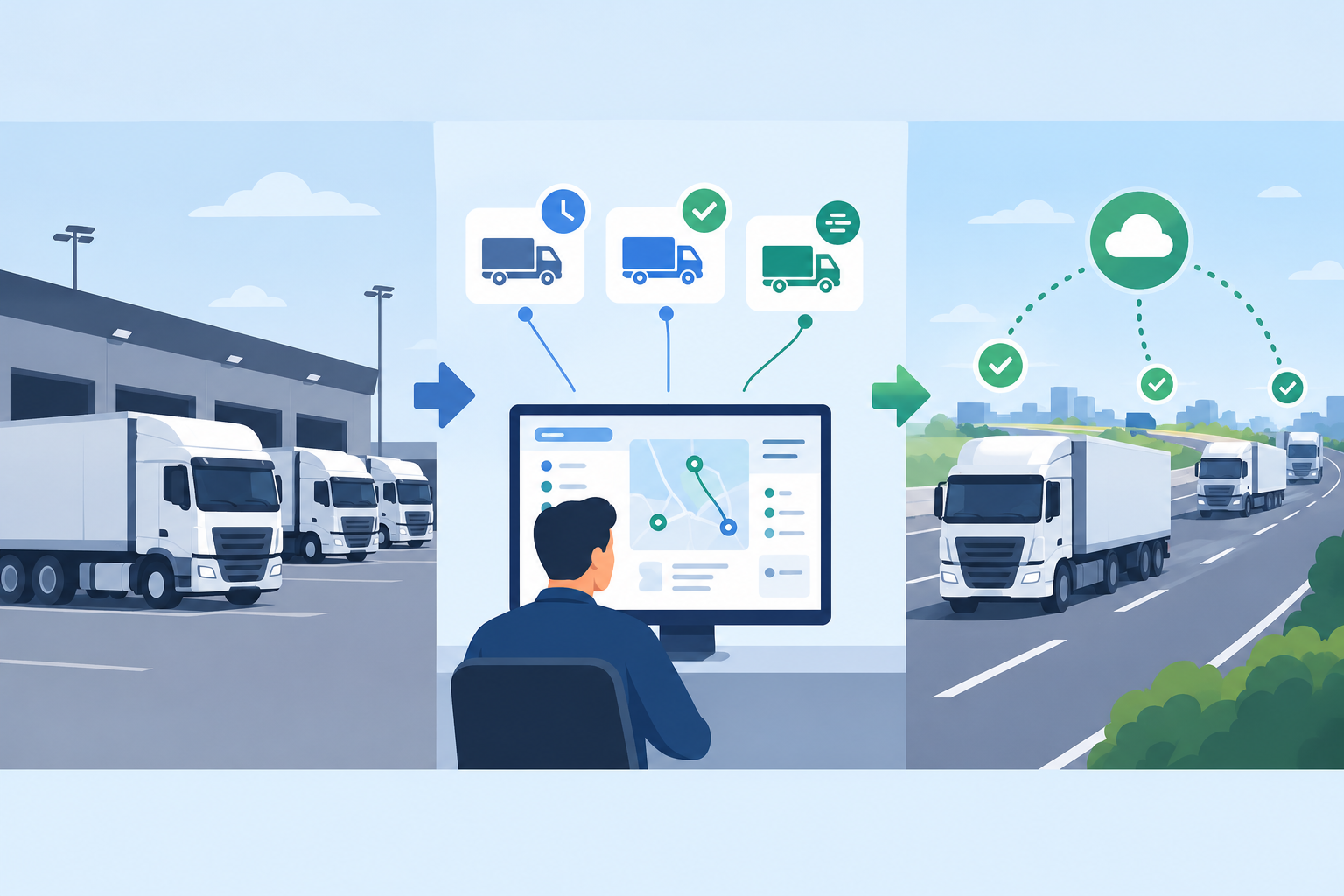
PICit's Transport Order Management System (TOMS) digitalizes the full transport workflow, from order to invoice. With TOMS, dispatchers can create and update transport orders in real time, sending clear instructions directly to drivers’ mobile devices. This means drivers have the latest information about their jobs and any changes during the day. Automated notifications replace many of the phone calls and reduce misunderstandings.
Connecting TOMS With a Terminal Operating System (TOS)
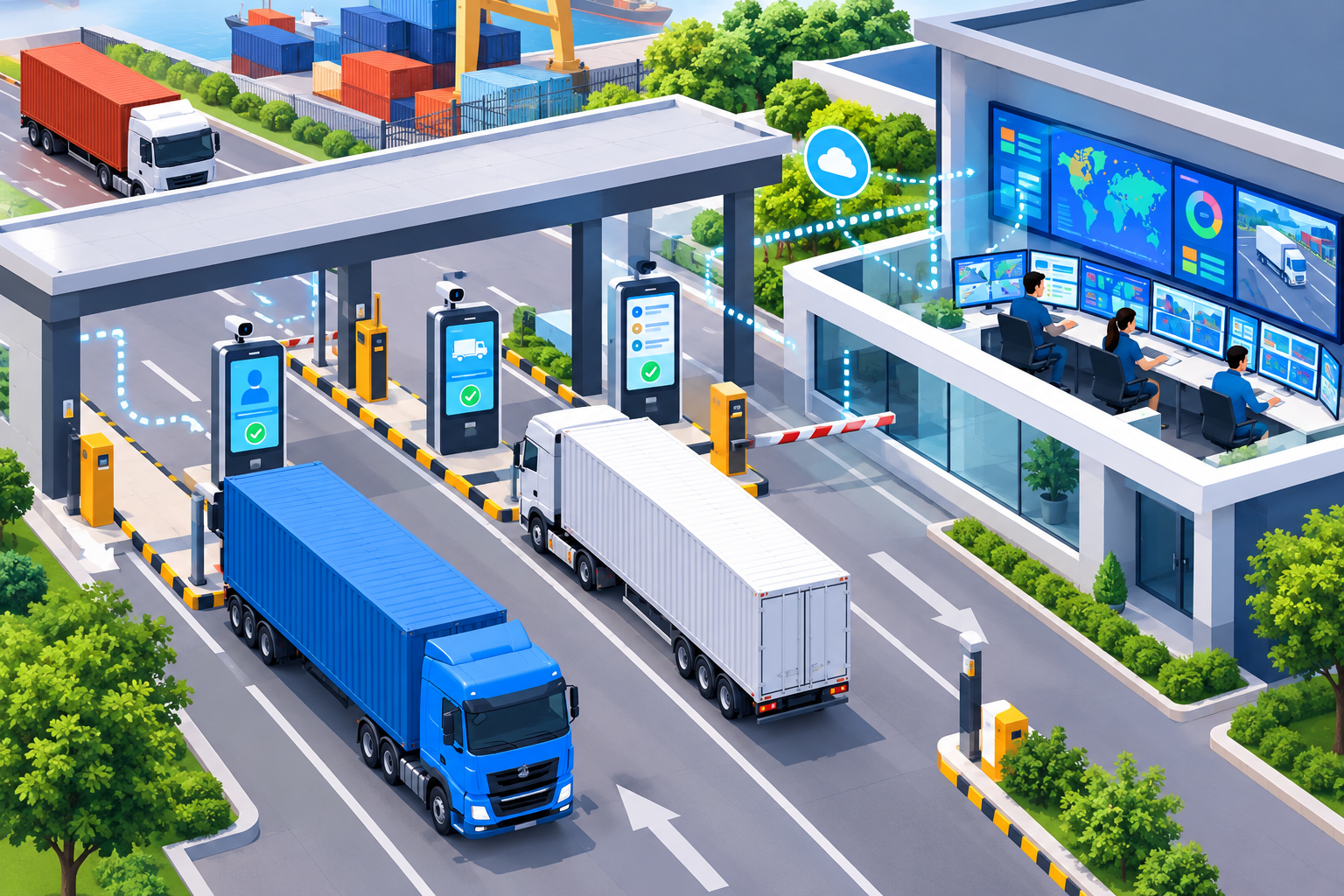
When TOMS is integrated with PICit’s Terminal Operating System (TOS), the benefits extend to the terminal. TOS gives terminal operators the visibility they need to manage truck arrivals, cargo movements, and gate scheduling in real time. Drivers receive up-to-date entry instructions and can be processed quickly at the gate, reducing idle time. The result is a smoother flow of information and vehicles, with fewer bottlenecks and more predictable terminal visits.
What Are the Benefits of Gate Automation for Drivers and Hauliers?
The main benefit for drivers is shorter waiting times. Instead of arriving at a terminal and facing uncertainty, drivers receive entry windows and real-time updates if schedules shift. Digital check-in means less paperwork and faster gate clearance. If a delay does occur, for example because of traffic or cargo readiness, drivers can be notified straight away, which allows them to adjust their plans and inform dispatch early.
This transparency also lets drivers focus on safe, efficient deliveries. With TOMS, job instructions are in one place on the driver’s device, which reduces the risk of miscommunication. Integration with TOS keeps terminal staff and drivers working from the same information, which reduces errors or missed handovers. For transport and terminal teams, this can mean higher on-time delivery rates, better resource utilization, and improved customer satisfaction.
Building a Business Case for Gate Automation and Digital Workflows
A business case for gate automation should look beyond shorter queues to overall operational efficiency. For logistics companies and terminal operators, useful key performance indicators to track before and after the change include truck turnaround time, driver productivity, terminal throughput, and customer service levels.
By adopting solutions like PICit’s TOMS and TOS, organizations move away from fragmented, manual processes and toward a connected, data-driven workflow. Drivers benefit from less stress and greater clarity, while companies can respond faster to changes during the day. As the logistics sector faces increasing pressure to deliver faster, safer, and more reliably, digital workflows are becoming a basic requirement.
Shorter Waiting Times Start With Better Information
Reducing terminal waiting times is not just about saving minutes at the gate. It’s also about a better working day for drivers, clearer communication, and a more efficient, resilient logistics network. With the right tools in place, many delays that once seemed unavoidable can be measured, reduced, and improved over time.
Want to see how TOMS and TOS can work together in your operation? Get in touch with PICit to book a demo.
Related reading: A Day in the Life: The Modern Truck Driver's Digital Toolbox; Why Real-Time Visibility Is Critical for Modern Haulage; From Legacy to Future-Proof: Digital Transformation for Terminals.
Frequently Asked Questions
What is terminal waiting time?
Terminal waiting time is the time a truck spends at a terminal beyond what is needed to load or unload, such as queuing at the gate, waiting for cargo, or waiting for instructions.
Why do truck drivers wait so long at terminals?
Long waits usually come from a combination of manual gate processes, unclear communication between dispatch and terminal staff, unpredictable cargo readiness, and a lack of real-time updates.
How can digital tools reduce waiting times at terminals?
Digital check-in, job instructions sent directly to drivers' mobile devices, and real-time notifications when plans change replace paperwork and phone calls, so trucks can be processed faster at the gate.
What is TOMS?
TOMS (Transport Order Management System) is PICit's software for road freight. It digitalizes the transport workflow from order to invoice and sends job instructions and updates to drivers' mobile devices.
How does connecting TOMS and TOS help drivers?
When TOMS is integrated with a Terminal Operating System (TOS), terminal operators can see and manage truck arrivals, and drivers receive up-to-date entry instructions, which means less idle time at the gate.
Which KPIs show whether gate automation is working?
Useful KPIs include truck turnaround time, driver productivity, terminal throughput, and customer service levels.