

The Challenge of Manual Processes in Terminal IT
Modern port and terminal operations are under constant pressure to deliver reliability, speed, and efficiency. For IT leaders in logistics, the reality is often a patchwork of legacy systems, manual workarounds, and fragmented data flows. Manual data entry and disconnected workflows not only slow down operations but also introduce significant operational risk. When every minute counts, even a small error or delay can ripple through the supply chain, causing costly disruptions.
Terminal IT environments typically evolve over years, accumulating a mix of old and new technologies. This hybrid landscape can make it difficult to ensure data consistency, real-time visibility, and seamless integration. As operational demands grow and the need for real-time data intensifies, reliance on manual processes becomes a liability. IT managers are tasked with maintaining uptime, supporting frontline teams, and enabling innovation, all while minimizing risk and complexity.
Automation as a Strategic Lever for Modern Terminals
Automation is no longer a luxury; it is a strategic imperative for terminals seeking to remain competitive and resilient. By automating routine tasks and integrating core systems, IT leaders can reduce manual data entry, eliminate redundant processes, and free up valuable resources for higher-value work. More importantly, automation helps ensure that critical information is available where and when it is needed, supporting both operational teams and management.
Automated workflows reduce the risk of human error, which is especially important in high-pressure environments where downtime can halt operations. For example, automating container tracking, gate movements, and customs documentation ensures that data flows seamlessly between systems, reducing the need for manual intervention and the potential for mistakes. This not only improves operational accuracy but also enhances compliance and audit readiness.
Key Areas for Automation in Terminal Operations
The opportunities for automation in terminal IT are broad, but several areas offer particularly high impact:
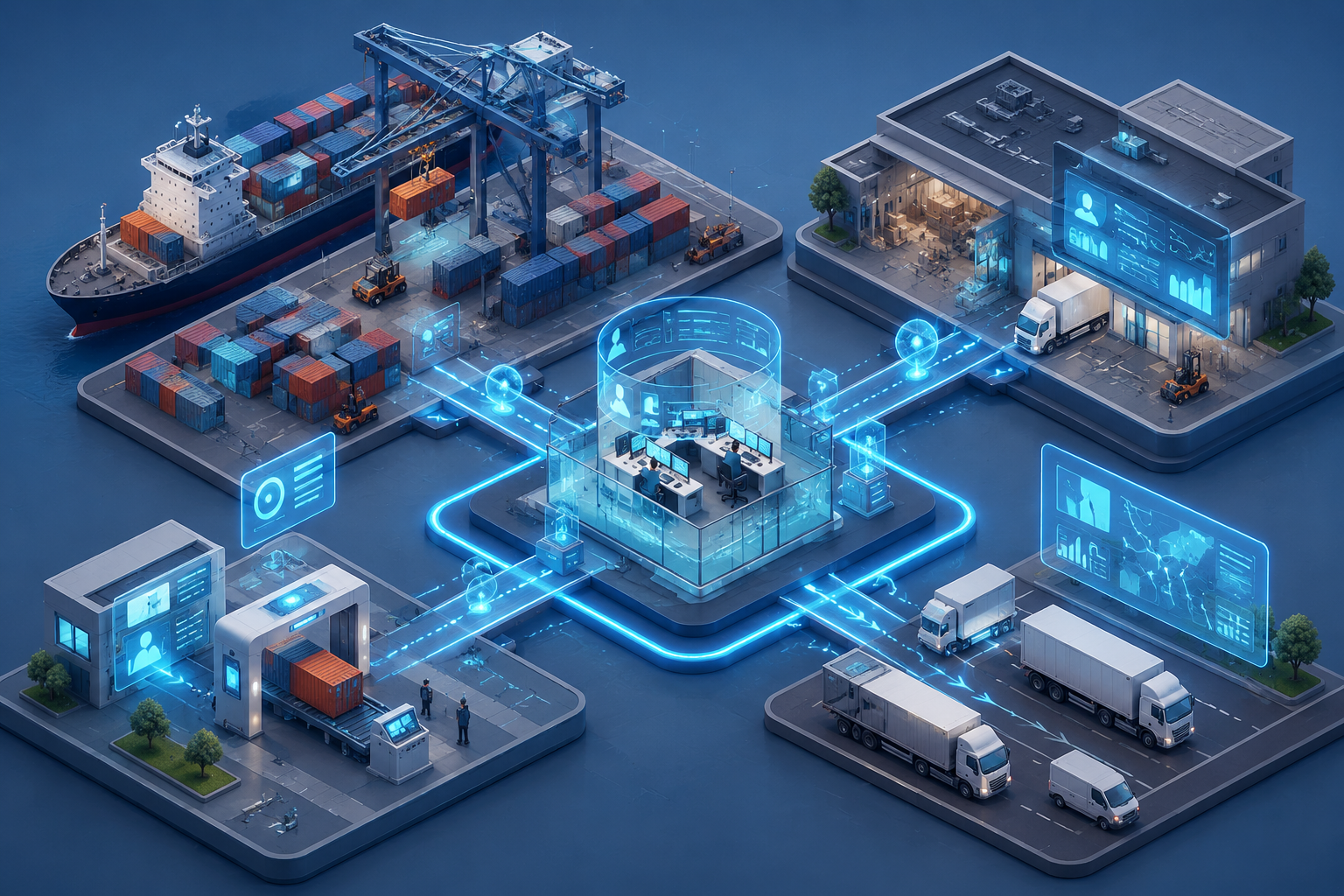
1. Real-Time Container and Cargo Tracking: Manual updates to spreadsheets or siloed databases can lead to data inconsistencies and delays. With a modern Terminal Operating System (TOS) like PICit’s, terminals gain real-time visibility into every container and cargo movement. Automated tracking ensures that all parties, shipping lines, hauliers, customs, and operations, access the same up-to-date information, eliminating the need for manual status checks and reducing operational friction.
2. Integrated Gate and Yard Management: Coordinating truck, train, and vessel arrivals and departures is complex and error-prone when managed manually. TOS platforms automate order management, arrival sequencing, and yard allocation, streamlining workflows and reducing the risk of bottlenecks. Mobile support for yard and forklift operators further reduces paperwork and manual reporting, enabling faster, more accurate operations.
3. Customs and Compliance Automation: Manual customs clearance and document handling are not only slow but also risky from a compliance standpoint. PICit’s Customs / Authorities Solution automates customs checks, integrates directly with national authorities, and manages digital documentation. This reduces manual processing, lowers compliance error rates, and ensures containers are released quickly and accurately.
4. Seamless Data Integration Across Systems: Fragmented IT landscapes often force teams to rely on manual file transfers or custom scripts to bridge system gaps. By adopting integrated SaaS solutions like PICit’s TOS and Goods Transport System (GTS), terminals can automate data flows between booking, terminal handling, invoicing, and compliance. This reduces technical debt, simplifies maintenance, and ensures data consistency across the operation.
Reducing Operational Risk Through Integrated IT
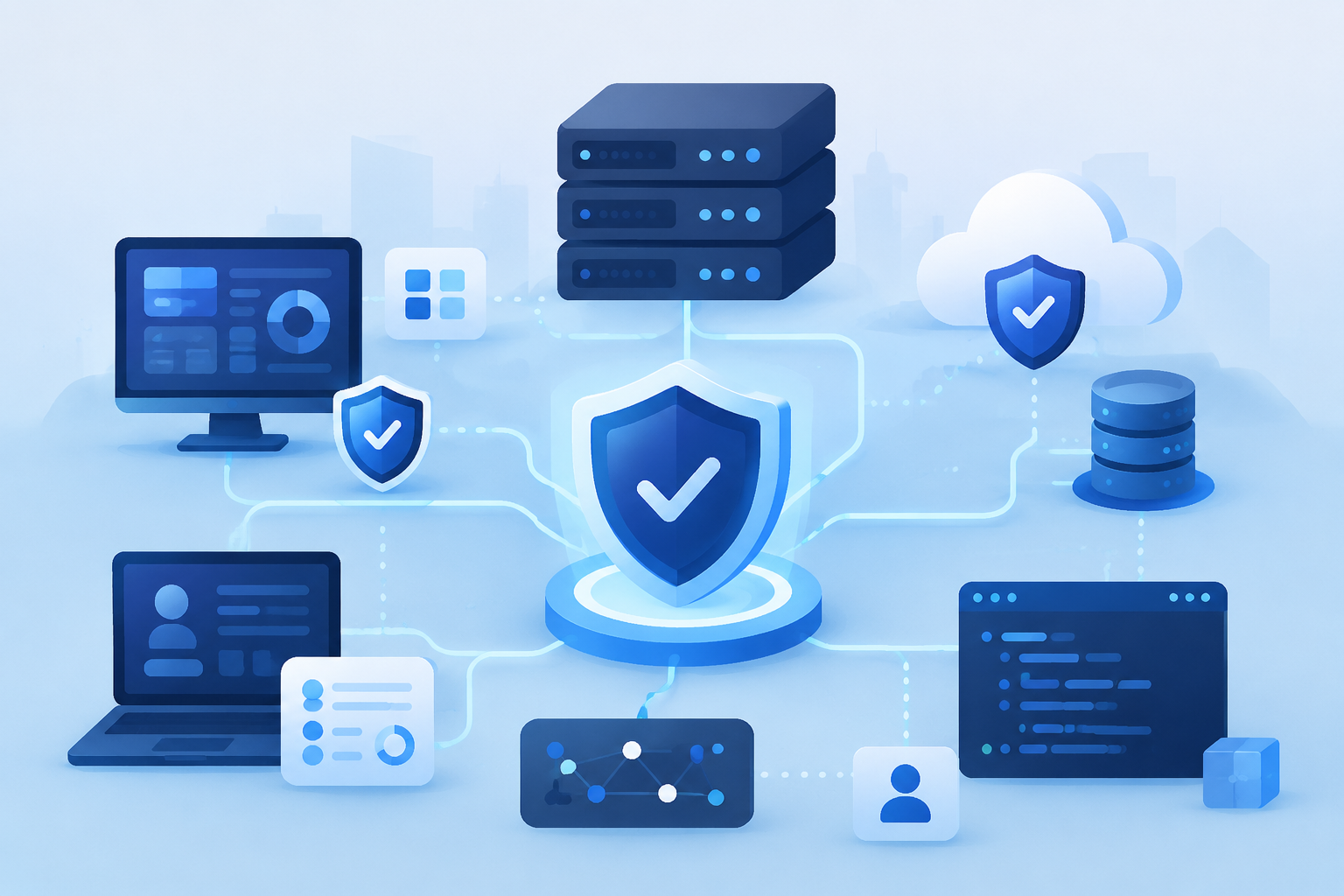
Operational risk in terminal environments is closely tied to system reliability and data integrity. Manual processes introduce multiple points of failure: data rekeying errors, missed updates, and delays in information sharing. When a system goes down or data is inconsistent, the impact is immediate and far-reaching, operations stall, customer service suffers, and compliance risks rise.
Integrated, automated IT systems mitigate these risks by:
- Ensuring Data Consistency: Automated data exchange eliminates discrepancies between systems, supporting accurate decision-making and reporting.
- Enabling Proactive Monitoring: Real-time dashboards and alerts allow IT teams to detect and address issues before they escalate into outages.
- Supporting Rapid Recovery: Automated workflows and integrated platforms make it easier to restore operations after disruptions, minimizing downtime.
- Reducing Vendor Dependence: Open, well-documented solutions reduce reliance on external vendors for troubleshooting and updates, giving IT teams more control.
By reducing manual work, IT leaders can focus on proactive system management and continuous improvement, rather than firefighting and patching gaps.
Building a Foundation for Future-Ready Terminal IT
The path to automation is not just about technology, it is about building a resilient, scalable IT foundation that supports evolving operational needs. For terminals managing both legacy and modern systems, the transition to integrated, automated workflows can seem daunting. However, the benefits are clear: lower operational risk, improved efficiency, and greater agility in responding to market changes.
Key steps for IT leaders include:
- Assessing Current Workflows: Identify where manual processes create bottlenecks or risk, and prioritize automation opportunities with the greatest impact.
- Selecting Integrated Solutions: Choose platforms like PICit’s TOS that offer open documentation, robust integration capabilities, and proven reliability in real-world terminal environments.
- Engaging Stakeholders: Work closely with operations, management, and vendors to ensure that automation initiatives align with business goals and do not introduce new complexities.
- Planning for Change Management: Support frontline teams through training and clear communication, ensuring that new systems are adopted smoothly and deliver tangible benefits.
By taking a strategic approach to automation, IT managers can deliver on their mandate to reduce manual work, lower operational risk, and enable efficient, future-ready terminal operations. The result is a more stable, resilient IT environment that empowers both IT and operations teams to excel.