Operational control in terminal environments depends on confidence. Confidence in plans, confidence...
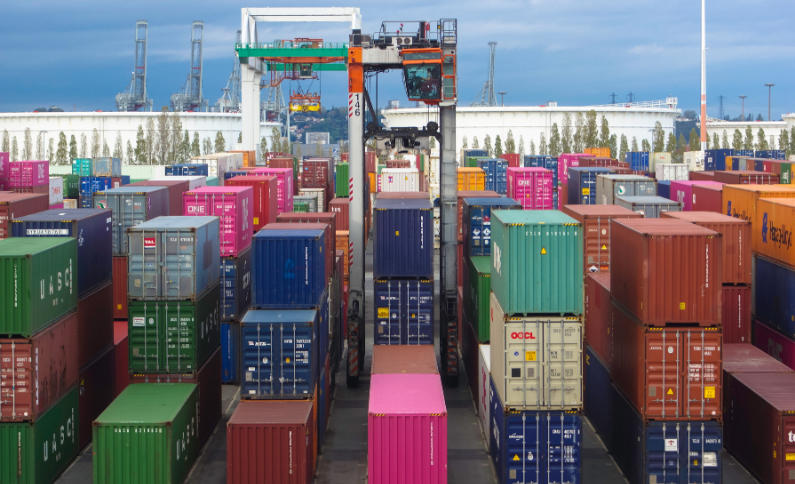
Yard operations are one of the most dynamic environments in terminal logistics. Trucks arrive continuously, containers are repositioned, equipment moves across the yard and vessel schedules shift throughout the day.
In this environment, coordination determines performance.
When yard movements are not clearly visible across the operation, small disruptions quickly escalate. Equipment waits for instructions, trucks queue unnecessarily and teams rely on manual communication to understand what is happening in the yard.
Real-time yard visibility changes how these operations are coordinated.
Instead of reacting to congestion or delays after they occur, terminal teams gain the ability to monitor and coordinate yard activities as they happen.
Why Yard Operations Often Become Chaotic
Most terminals operate with established procedures and experienced personnel. Chaos rarely emerges because teams lack expertise.
It usually appears when operational visibility is limited.
In practice, this often happens when:
- container movements are updated with delays
- yard equipment operates without shared real-time visibility
- truck arrivals are difficult to coordinate with yard capacity
- different teams rely on separate information sources
When these conditions persist, coordination becomes reactive. Teams respond once congestion is already visible in the yard or when trucks begin waiting at the gate.
Over time, this creates operational friction. Equipment utilization drops, response times increase and terminal flow becomes less predictable.
The Role of Real-Time Yard Visibility
Real-time yard visibility provides a shared operational overview of what is happening across the yard at any given moment.
Instead of relying on fragmented updates or manual communication, terminal teams can monitor container movements, equipment activity and yard capacity through a single operational view.
This visibility enables teams to answer critical operational questions instantly:
- Where are containers currently located in the yard?
- Which yard equipment is available or in use?
- Where is congestion beginning to build?
- How will incoming truck traffic affect yard flow?
When these insights are available in real time, coordination becomes proactive rather than reactive.
Real-time data does not remove complexity from yard operations. It allows that complexity to be managed with greater control.
Turning Visibility Into Coordinated Action
Visibility alone does not improve yard performance. Its value lies in supporting faster and more confident operational decisions.
When terminal teams share a real-time overview of yard activity, they can coordinate tasks earlier and with clearer priorities.
In daily yard operations, this typically means:
- allocating equipment where pressure is building
- directing container movements to avoid congestion
- aligning gate activity with available yard capacity
- adjusting operational priorities as conditions change
These adjustments are often small but critical. When they are made early, they prevent disruptions from spreading across the yard.
Instead of responding under pressure, teams maintain steady coordination throughout the day.
Connecting Gate, Yard and Vessel Operations
Yard coordination does not exist in isolation. It depends on alignment between several operational areas within the terminal.
Gate operations manage truck arrivals and departures.
Yard operations control container positioning and equipment movements.
Vessel operations depend on reliable container availability.
When these functions operate with different operational views, coordination becomes difficult. Teams spend time confirming information instead of executing tasks.
Real-time yard visibility supports alignment by ensuring that all operational areas share the same situational awareness.
Planning, execution and follow-up become easier to coordinate. Communication becomes clearer because all teams reference the same operational picture.
This shared visibility reduces friction and strengthens collaboration across the terminal.
From Reactive Yard Management to Proactive Coordination
Many yard environments operate reactively. Congestion is addressed once queues form. Equipment is redirected once delays appear. Container searches begin once time pressure increases.
Reactive coordination often feels unavoidable in busy terminals.
However, limited visibility is usually the underlying cause.
When yard activities are monitored in real time, teams can detect early signals of disruption. Equipment bottlenecks, truck surges or container imbalances become visible before they escalate.
This allows adjustments to be made earlier and with greater control.
Proactive coordination does not eliminate unexpected events. It reduces their operational impact.
Building Predictable Yard Flow in A Dynamic Environment
Terminals will always experience fluctuating demand, changing vessel schedules and unpredictable truck arrivals.
Predictability is not achieved by eliminating variability. It is achieved by managing it effectively.
Real-time yard visibility supports this stability by providing continuous insight into operational conditions. Teams maintain awareness of container locations, equipment usage and yard capacity throughout the day.
With this information, operational decisions become clearer and more consistent.
Yard flow becomes smoother, response times improve and overall terminal coordination strengthens.
Conclusion
Yard operations will always involve movement, pressure and complexity. The challenge is not reducing activity, but coordinating it effectively.
Real-time yard visibility provides the foundation for this coordination. By giving terminal teams a shared and current operational overview, it transforms fragmented information into structured yard management.
Instead of reacting to disruptions, terminals gain the ability to anticipate them.
When yard coordination is supported by real-time visibility, operations become calmer, more predictable and easier to manage — even in the busiest terminal environments.
Book a meeting to learn more or read about PICit TOS