
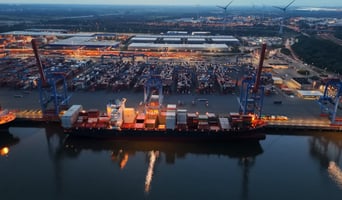
Terminal operations depend on coordination across multiple moving parts. Yard management, gate...
Transport planning is only the starting point. Routes are optimized, schedules are confirmed, and resources are allocated. But true performance is determined after vehicles leave the yard.
The gap between planning and execution often appears when fleet data is not connected in real time. Without continuous visibility, even well-structured plans can drift away from operational reality.

When Planning and Execution Disconnect
Fleet operations are dynamic by nature. Traffic conditions shift, priorities change, loading takes longer than expected, and customer requirements evolve throughout the day.
If fleet data is delayed or fragmented, planners may not see these changes until they escalate. This can lead to:
- Reactive adjustments instead of proactive decisions
- Increased manual coordination
- Uncertainty about vehicle progress
- Reduced predictability in delivery performance
- Saves time in daily coordination
- Reduces interruptions for drivers
- Improves dispatcher confidence
- Supports faster decision-making
Planning may remain technically correct, but performance suffers because execution is not fully visible.
The Role of Real-Time Fleet Visibility
Real-time fleet visibility creates alignment between what was planned and what is actually happening.
When dispatchers and planners can see vehicle status, route progression, and task completion live, they can act earlier. Small deviations become manageable adjustments rather than operational disruptions.
This visibility supports:
• Faster response to route changes
• More accurate delivery expectations
• Clearer communication with drivers
• Better prioritization of new orders
Performance improves not because plans are perfect, but because execution is transparent.
Reducing Dependency on Manual Updates
In many operations, updates rely on phone calls, messages, or manual confirmations. While these methods work, they introduce delays and inconsistencies.
Real-time data reduces the need for constant follow-up. Instead of asking where a vehicle is or whether a task has been completed, teams can see it.
This shift:
- Saves time in daily coordination
- Reduces interruptions for drivers
- Improves dispatcher confidence
- Supports faster decision-making
When information flows automatically, performance becomes easier to manage.
Turning Insight Into Action
Data alone does not improve performance. Its value depends on how quickly it can support decisions.
Connected fleet data provides a shared operational picture. When planning systems and execution data are aligned, teams can:
• Adjust routes before delays escalate
• Reallocate resources when pressure builds
• Update stakeholders with greater accuracy
• Maintain service levels during peak activity
Performance becomes a result of informed action rather than reactive correction.
Building Consistency Across the Fleet
Consistency is one of the strongest drivers of transport performance. Real-time data supports consistency by ensuring that everyone works from the same operational overview.
Drivers understand priorities more clearly. Dispatchers can anticipate potential issues. Planners can compare planned versus actual performance with greater accuracy.
Over time, this alignment strengthens operational stability.
Conclusion
Planning sets direction. Performance reflects execution.
Connecting fleet data in real time closes the gap between the two. It allows transport operations to move from reactive adjustments to confident control.
When planning and execution share the same data foundation, fleet performance becomes more predictable, coordinated, and resilient.
Learn about PICit TOMS or request a personalized demo today

