

Why Nordic Shippers Demand Real-Time Updates
In the Nordic logistics market, customer expectations have rapidly evolved. Shippers now expect not only timely deliveries but also full transparency throughout the transport process. The days when customers would wait for end-of-day status calls or rely on periodic email updates are gone. Instead, they demand real-time notifications, live tracking, and instant access to delivery statuses. This shift is driven by the broader digital transformation of supply chains, where visibility and responsiveness are seen as essential for both operational efficiency and customer satisfaction.
Nordic shippers, often serving high-value or time-sensitive industries, require up-to-the-minute information to manage their own commitments and downstream operations. Delays, route deviations, or missed handovers can trigger costly ripple effects. As a result, transport operators are under increasing pressure to provide proactive, accurate updates at every stage of the journey. Those unable to meet these expectations risk losing business to more transparent, digitally enabled competitors.
The Service Reliability Challenge for Transport Operators
For operational stakeholders in road freight, delivering superior service is a constant challenge. Thin margins, complex cross-border routes, and a dynamic regulatory environment all contribute to daily operational complexity. Yet, the most persistent pain point is the lack of real-time visibility into fleet and delivery status. Manual processes, fragmented systems, and reliance on phone or email updates create information gaps that slow down decision-making and hinder proactive management.
When a customer calls to ask about a delayed delivery, the inability to provide a precise, real-time answer undermines trust. Worse, it often means that issues are only discovered after they have already impacted service levels or costs. Operational leaders need tools that not only capture live data from the field but also integrate seamlessly with planning, dispatch, and customer communication workflows. Without this foundation, even the most experienced teams struggle to maintain the high standards Nordic shippers now expect.
Digitalization as the Foundation for Transparency
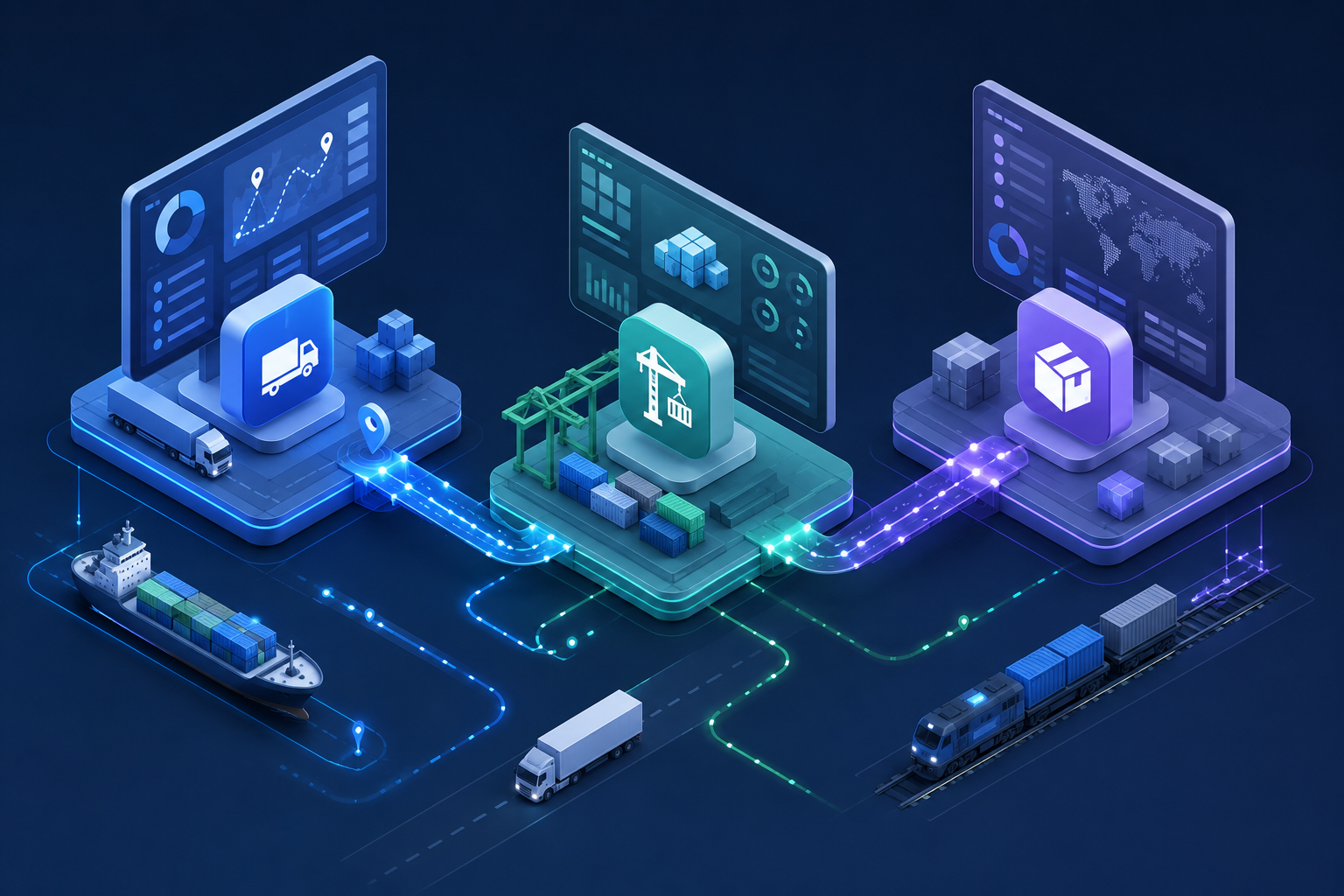
Digital transformation is no longer a future aspiration in logistics, it is a present-day necessity. For transport operators, digitalization means moving away from manual spreadsheets, siloed legacy systems, and ad hoc communication. Instead, it requires adopting integrated platforms that enable real-time data capture, automated workflows, and instant information sharing across all stakeholders.
Transparency is the natural outcome of this digital shift. When every transport order, vehicle movement, and delivery milestone is tracked and updated in real time, both operators and customers gain a shared, accurate view of the operation. This not only reduces the risk of errors and delays but also empowers teams to act proactively, rerouting vehicles, reallocating resources, or informing customers before issues escalate. In a market where reliability is the key differentiator, digitalization is the only way to consistently meet and exceed customer expectations.
How PICit TOMS Delivers Real-Time Visibility and Control
PICit’s Transport Order Management System (TOMS) is designed specifically to address the transparency and reliability challenges faced by Nordic road freight operators. By digitalizing the entire transport workflow, from order creation to invoicing, TOMS eliminates manual bottlenecks and provides a single source of truth for all operational data.
With TOMS, dispatchers and managers gain real-time access to fleet status, driver locations, and delivery progress via both web and mobile interfaces. Automated notifications keep all stakeholders informed, reducing the need for time-consuming phone calls or manual status checks. The system’s seamless integration with other PICit solutions, such as the Terminal Operating System (TOS) and Goods Transport System (GTS), ensures that information flows smoothly across the entire logistics chain, from terminal to final delivery.
Key features that drive transparency and reliability include:
- Digital transport order management: Orders are created, assigned, and tracked in a unified platform, eliminating paperwork and manual errors.
- Real-time driver updates: Drivers use the PICmobile app to receive assignments, register time, and provide live status updates from the field.
- Automated notifications: Customers and internal teams receive instant alerts for key events, such as pick-up, delivery, or exceptions.
- Comprehensive dashboards: Managers have instant visibility into operational KPIs, enabling data-driven decisions and proactive issue resolution.
Business Outcomes: Efficiency, Customer Loyalty, and Competitive Edge
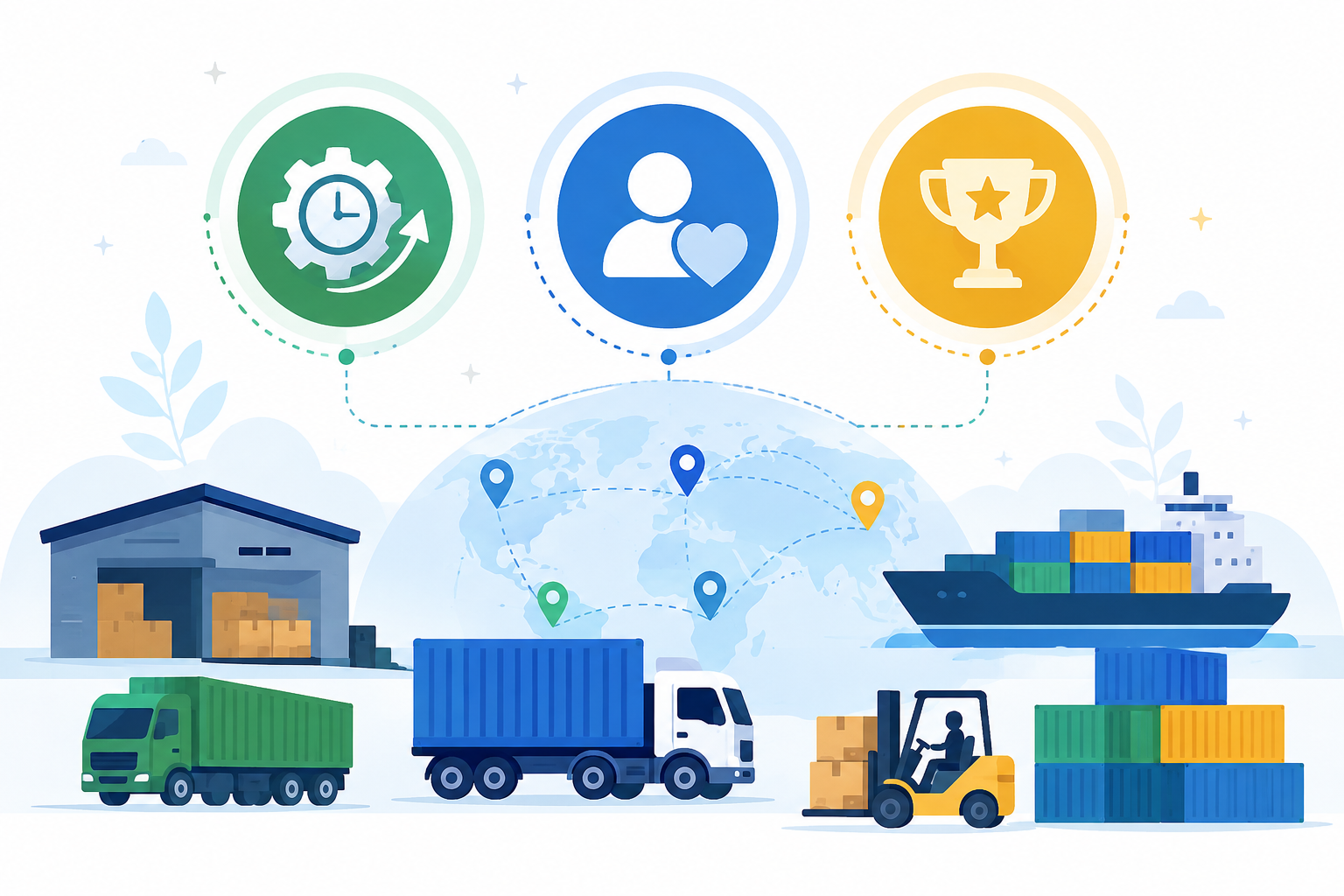
The impact of digitalization extends far beyond operational convenience. For transport operators, the ability to provide real-time transparency directly translates into measurable business outcomes:
- Cost Reduction: By eliminating manual processes and reducing administrative overhead, operators can achieve significant savings. Real-time visibility also enables better resource utilization, minimizing empty runs and optimizing fleet deployment.
- Service Reliability: With live tracking and proactive notifications, on-time delivery rates improve. Customers gain confidence in the operator’s ability to deliver, reducing escalations and service disputes.
- Customer Loyalty: Transparent, reliable service builds trust and strengthens long-term relationships. In a competitive market, this can be the deciding factor in winning and retaining key accounts.
- Scalability: Integrated digital platforms like TOMS allow operators to scale operations without a proportional increase in headcount or complexity. As business volumes grow, the system supports efficient planning and execution across multiple geographies and customer segments.
- Regulatory Compliance: Automated data capture and reporting simplify compliance with EU transport regulations, reducing risk and administrative burden.
Getting Started: Steps Toward Digital Transport Management
For operational leaders considering the move to digital transport management, the path forward is clear but requires careful planning. Start by identifying the most critical pain points in your current workflow. Where are manual processes slowing you down or creating blind spots? Engage with technology partners who understand the unique demands of the Nordic logistics market and can demonstrate proven ROI.
When evaluating solutions, prioritize platforms that offer:
- Real-time operational visibility across all transport activities
- Seamless integration with existing business and logistics systems
- User-friendly interfaces for both office staff and drivers
- Scalable architecture to support future growth
- Responsive support and robust security standards
PICit’s TOMS, backed by deep industry expertise and a commitment to secure, reliable operations, provides a strong foundation for operators aiming to meet and exceed modern customer expectations. By embracing digitalization, transport operators can transform transparency from a challenge into a competitive advantage, delivering the reliable, high-quality service that Nordic shippers demand.