
Introduction: The Modern Truck Driver’s Challenge
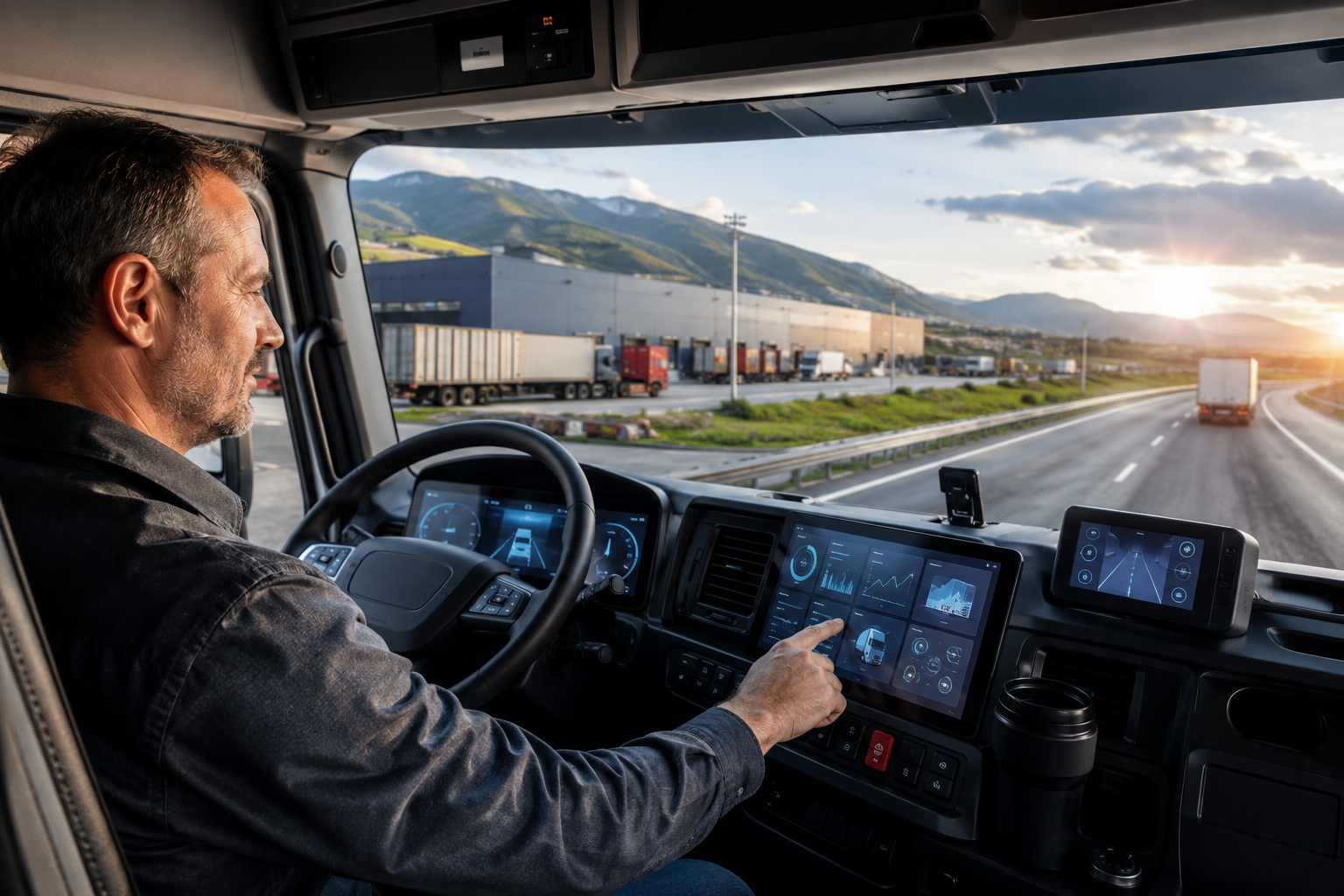
Truck drivers are the backbone of the logistics industry, ensuring goods move efficiently across cities and borders. Yet, for many drivers, the daily reality involves more than just navigating roads. Unpredictable schedules, unclear instructions, and long waits at terminals or customer sites create unnecessary stress and frustration. In a world where every minute counts, the lack of real-time information can make the difference between a smooth shift and a stressful day.
The Impact of Uncertainty and Inefficiency on Driver Well-Being
Operational inefficiency and communication breakdowns are more than just business problems—they directly affect the well-being of drivers. When instructions are unclear or last-minute changes disrupt carefully planned routes, drivers are forced to rely on repeated phone calls and manual updates. This not only wastes time but also increases stress levels, as drivers are left wondering about their next steps or waiting for updates that may never come.
Excessive waiting at terminals or customer sites, often without status updates, compounds the issue. Drivers are left in limbo, unable to plan their next move or even take a proper break. The result is a work environment where unpredictability is the norm, leading to lower job satisfaction and higher turnover rates.
How Real-Time Logistics Technology Changes the Game
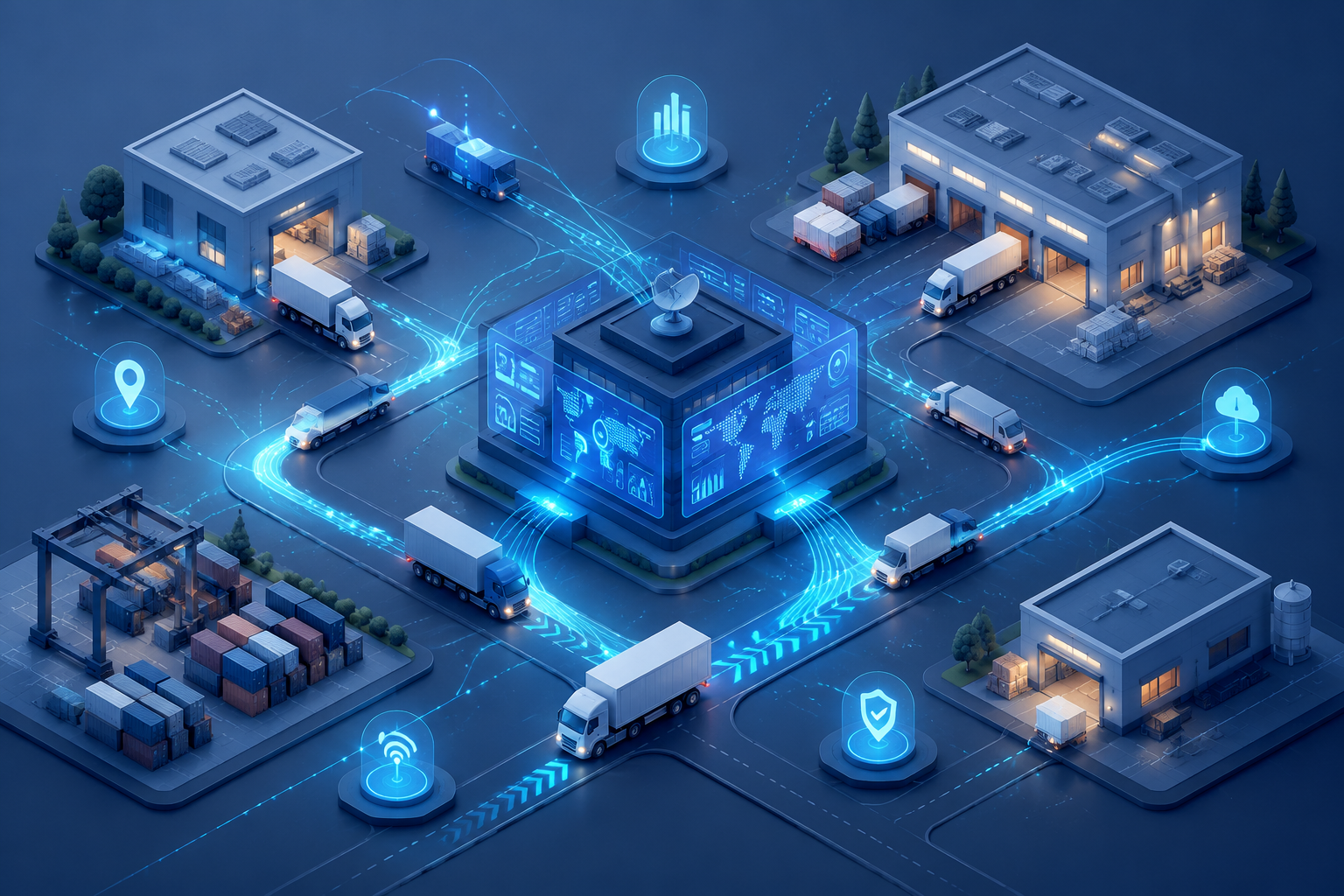
Modern logistics technology, such as PICit A/S’s Terminal Operating System (TOS), is designed to address these challenges head-on. By providing full operational visibility and real-time updates, these systems transform the daily experience for drivers. Instead of relying on fragmented communication or outdated paper-based instructions, drivers receive clear, actionable information directly to their mobile devices.
With TOS, all parties involved—dispatchers, terminal staff, and drivers—are connected through a single, shared information platform. This integration eliminates manual reporting and reduces the need for phone-based clarifications. Drivers can adapt to changes with confidence, knowing that any update to their route or schedule is communicated instantly and unambiguously.
Key Features that Reduce Stress and Improve Job Satisfaction
For drivers, the most valuable features are those that make their workday simpler and more predictable. PICit’s Terminal Operating System offers several capabilities that directly address the pain points drivers face:
- Real-Time Container and Cargo Tracking: Drivers always know the status of their load, reducing uncertainty during pickups and deliveries.
- Arrival and Departure Order Management: Automated updates on terminal and customer site readiness mean less waiting and more efficient use of time.
- Mobile Device Support: Instructions and updates are delivered directly to the driver’s phone or tablet, minimizing paperwork and manual logging.
- Integrated Communication: All parties can see the same information, reducing miscommunication and the need for repeated phone calls.
- Customs and Compliance Integration: Automated checks and documentation mean fewer delays at borders or checkpoints, allowing drivers to focus on the road.
These features combine to create a smoother, more transparent workflow. Drivers receive immediate notifications of any change in job or route, allowing them to adapt quickly and maintain control over their schedule.

Real-World Outcomes: From Waiting Time to Work-Life Balance
The benefits of real-time logistics technology are tangible. For example, by reducing average waiting time at terminals and customer sites, drivers can complete more deliveries on time and spend less time idle. This not only improves productivity but also allows for more predictable schedules, which is crucial for work-life balance.
Clear digital instructions and real-time updates mean drivers are less dependent on phone calls and manual clarifications. This reduces the cognitive load and stress associated with uncertainty, enabling drivers to focus on safe, efficient driving rather than chasing down information.
Moreover, streamlined communication between dispatch, terminals, and drivers leads to fewer errors and misunderstandings. Drivers can take pride in delivering each load safely and punctually, knowing that the system supports their efforts with reliable, up-to-date information.
Conclusion: Building a Better Future for Drivers and Operations
The adoption of real-time logistics software like PICit’s Terminal Operating System is not just about operational efficiency—it’s about improving the daily lives of drivers. By reducing uncertainty, minimizing waiting times, and providing clear, actionable information, technology can transform the work environment for drivers, leading to greater job satisfaction and well-being.
For logistics companies, the benefits are twofold: happier, more productive drivers and more efficient, reliable operations. As the industry continues to evolve, investing in the right technology is essential for building a future where both business outcomes and driver well-being are prioritized.