PICit A/S, a leader in port, rail, and intermodal logistics management software, announces its...
Introduction: The Rising Tide of EU Transport Regulations
Logistics leaders across the Nordic region face mounting pressure as the landscape of EU transport regulations grows more complex. From stricter rules on driver hours and emissions to heightened demands for digital record-keeping and safety standards, compliance is no longer a box-ticking exercise. Instead, it is a strategic imperative that shapes how road freight companies operate, plan, and compete. For organizations managing fleets across multiple countries, the challenge is not just about keeping up with regulatory changes, it is about embedding compliance into every operational layer without sacrificing efficiency or profitability.
Compliance as a Catalyst for Digital Transformation
Regulatory compliance has evolved from a back-office concern to a boardroom priority. New EU directives require real-time data capture, transparent reporting, and auditable workflows. For operational stakeholders, this means that manual processes and fragmented systems are no longer sufficient. Compliance now drives the need for digital transformation, pushing logistics companies to rethink how information flows between dispatch, drivers, and management.
The consequences of non-compliance are significant: fines, lost licenses, and reputational damage. But beyond risk mitigation, compliance offers an opportunity to modernize operations. By adopting integrated digital systems, logistics organizations can not only meet regulatory demands but also unlock new levels of efficiency, visibility, and service quality.
The Operational Risks of Disconnected Systems
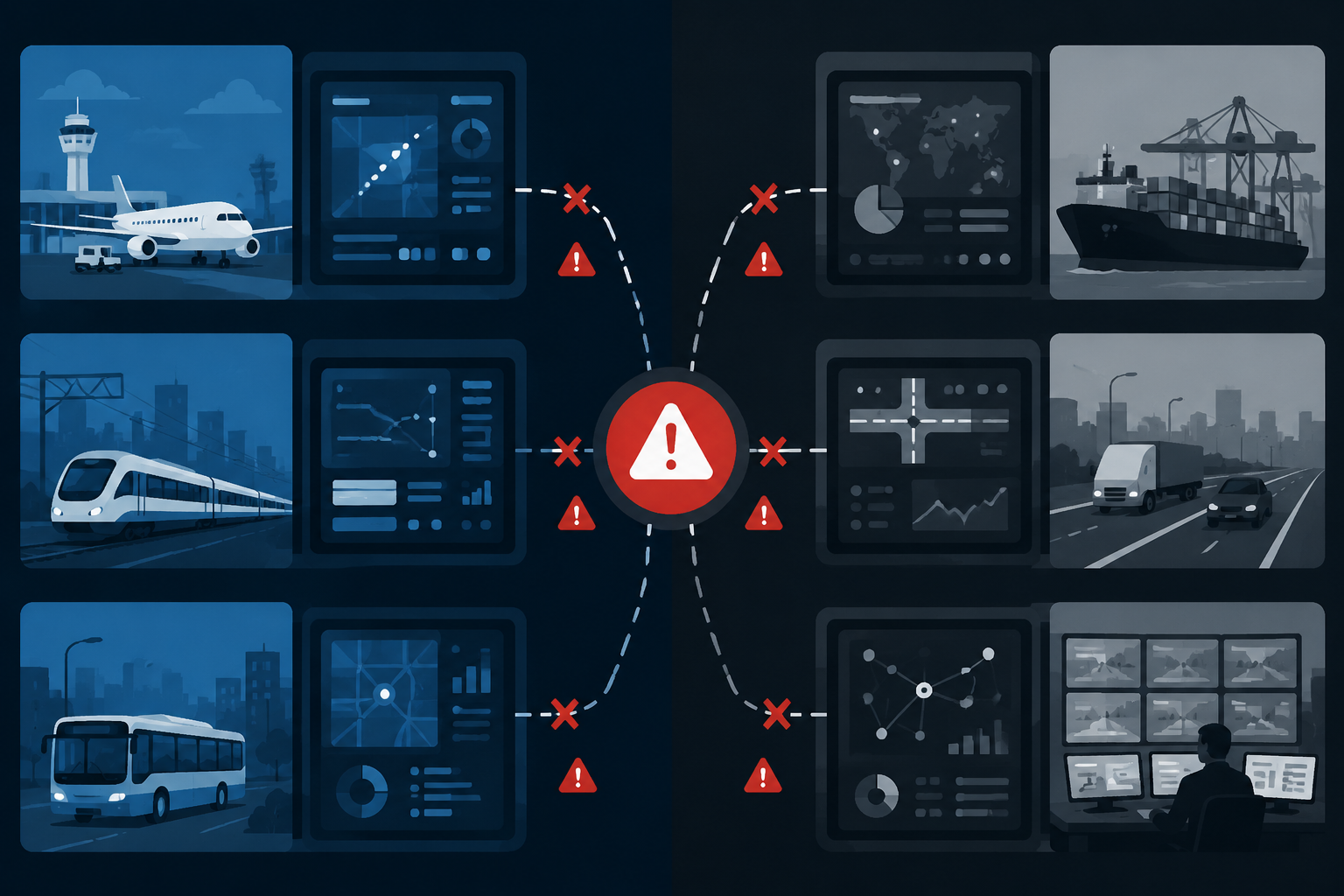
Many logistics operations still rely on a patchwork of spreadsheets, legacy software, and manual coordination. This fragmented approach creates several pain points:
- Limited real-time visibility: Decision-makers often lack up-to-date insights into fleet status, making it difficult to respond quickly to issues or regulatory checks.
- Manual errors and inefficiencies: Disconnected workflows increase the risk of data entry mistakes, missed documentation, and delayed compliance reporting.
- Reactive management: Without integrated systems, operational leaders are forced to address problems after they escalate, rather than proactively identifying and resolving them.
- Scalability bottlenecks: As business volumes grow, manual processes become a barrier to scaling operations without increasing overhead.
These challenges are amplified in a regulatory environment where authorities expect digital records, instant traceability, and seamless information exchange. For logistics directors, the cost of inaction is rising- both in terms of compliance risk and lost competitive edge.
Integrated Transport Systems: Meeting Compliance and Efficiency Demands
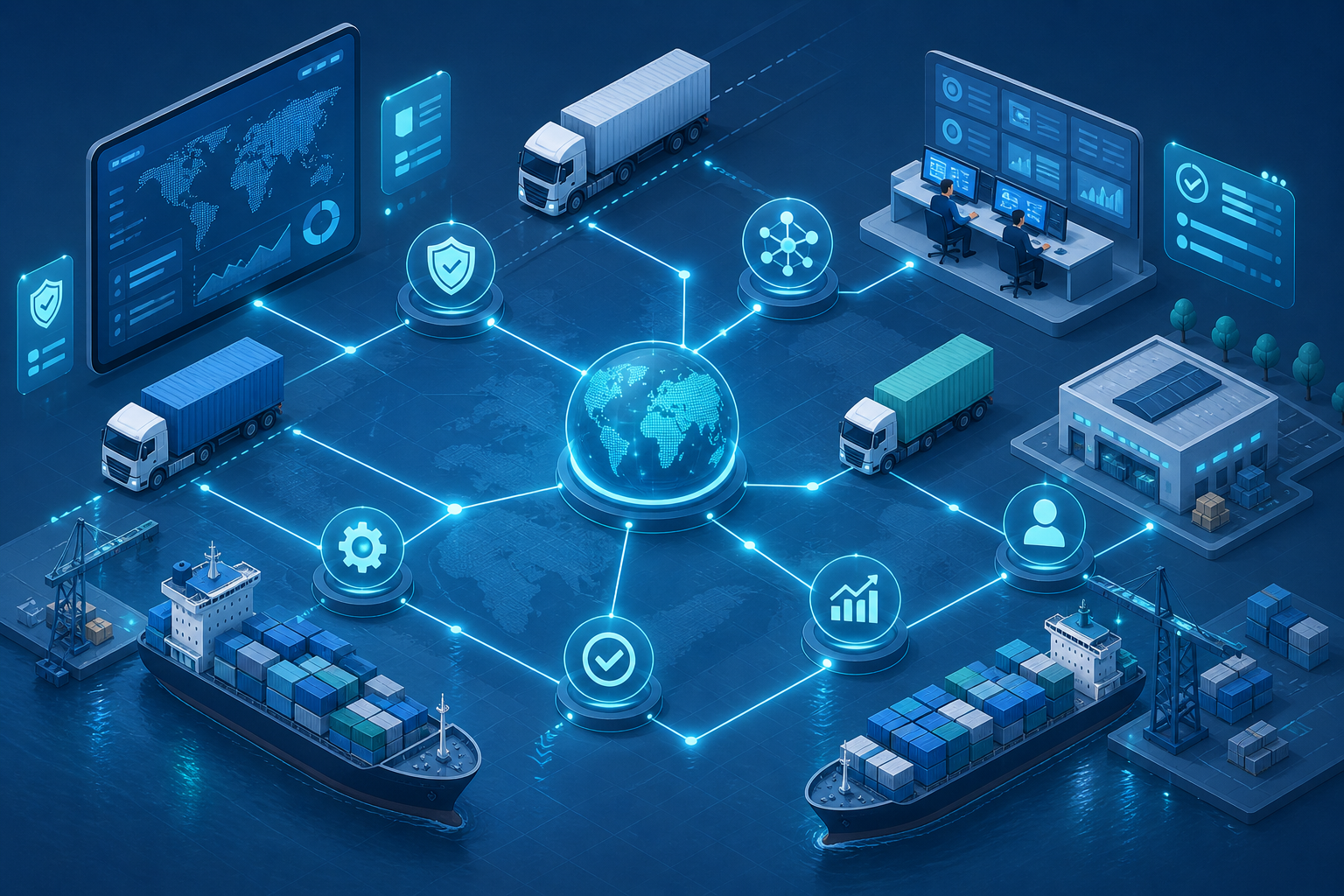
Integrated transport systems are now essential for logistics companies aiming to thrive under EU regulations. By connecting planning, execution, and reporting in a single digital workflow, these platforms enable organizations to:
- Automate compliance checks: Ensure that every transport order, driver assignment, and delivery meets regulatory requirements before execution.
- Centralize data: Maintain a single source of truth for all operational and compliance information, reducing duplication and manual reconciliation.
- Enable real-time oversight: Provide managers with live dashboards and alerts, supporting agile, data-driven decision-making.
- Streamline audits and reporting: Generate accurate, audit-ready records for authorities with minimal administrative effort.
The result is a more resilient, scalable operation that can adapt quickly to regulatory changes while maintaining high service standards and cost control.

How PICit TOMS Enables Scalable, Real-Time Compliance
PICit’s Transport Order Management System (TOMS) is purpose-built to address the dual challenge of regulatory compliance and operational efficiency in the road freight sector. Designed for seamless integration with existing business and logistics systems, TOMS offers:
- Digital transport order management: Replace paper-based and manual workflows with a unified digital platform, ensuring every order is logged, tracked, and compliant from creation to invoicing.
- Real-time access and notifications: Dispatchers, drivers, and managers can access live order status, compliance checks, and operational KPIs from any device, whether in the office or on the road.
- Automated compliance workflows: TOMS integrates with customs and authority solutions, supporting digital documentation, EDI filing, and dangerous goods monitoring. This reduces the risk of compliance errors and accelerates customs clearance.
- Scalable integration: The system connects with terminal operating systems and warehouse management platforms, enabling end-to-end visibility across the entire logistics chain.
- Audit-ready reporting: Generate comprehensive compliance reports and operational analytics at the click of a button, simplifying regulatory audits and internal reviews.
By consolidating fragmented processes into a single, integrated workflow, TOMS empowers logistics directors to maintain control, reduce operational friction, and demonstrate compliance at scale.
Building a Future-Ready Logistics Operation
As EU transport regulations continue to evolve, the ability to adapt quickly and efficiently will define the leaders in the logistics industry. Integrated digital systems are no longer a luxury—they are a necessity for meeting compliance demands, controlling costs, and delivering the real-time visibility that customers and regulators expect.
For operational stakeholders, the path forward is clear. Investing in scalable, integrated transport management solutions like PICit TOMS is not just about avoiding fines or passing audits. It is about building a resilient, future-ready operation that can grow with confidence, respond proactively to market changes, and maintain a competitive edge in a demanding regulatory environment.
In summary, regulatory compliance is now a driving force behind digital transformation in logistics. By embracing integrated systems, logistics companies can turn compliance from a challenge into a catalyst for operational excellence and sustainable growth.