

Dispatch is a central function in transport operations. It connects planning, drivers, routes and...

Introduction: Margin Pressure in Modern Road Haulage
In today’s highly competitive road freight sector, operational leaders face relentless pressure to protect margins while delivering reliable, on-time service. With rising fuel costs, driver shortages, and growing customer expectations for transparency and speed, even small inefficiencies can erode profitability. Yet, many transport operations still rely on manual processes and fragmented systems, leaving decision-makers exposed to hidden costs and operational risks that threaten both performance and the bottom line.
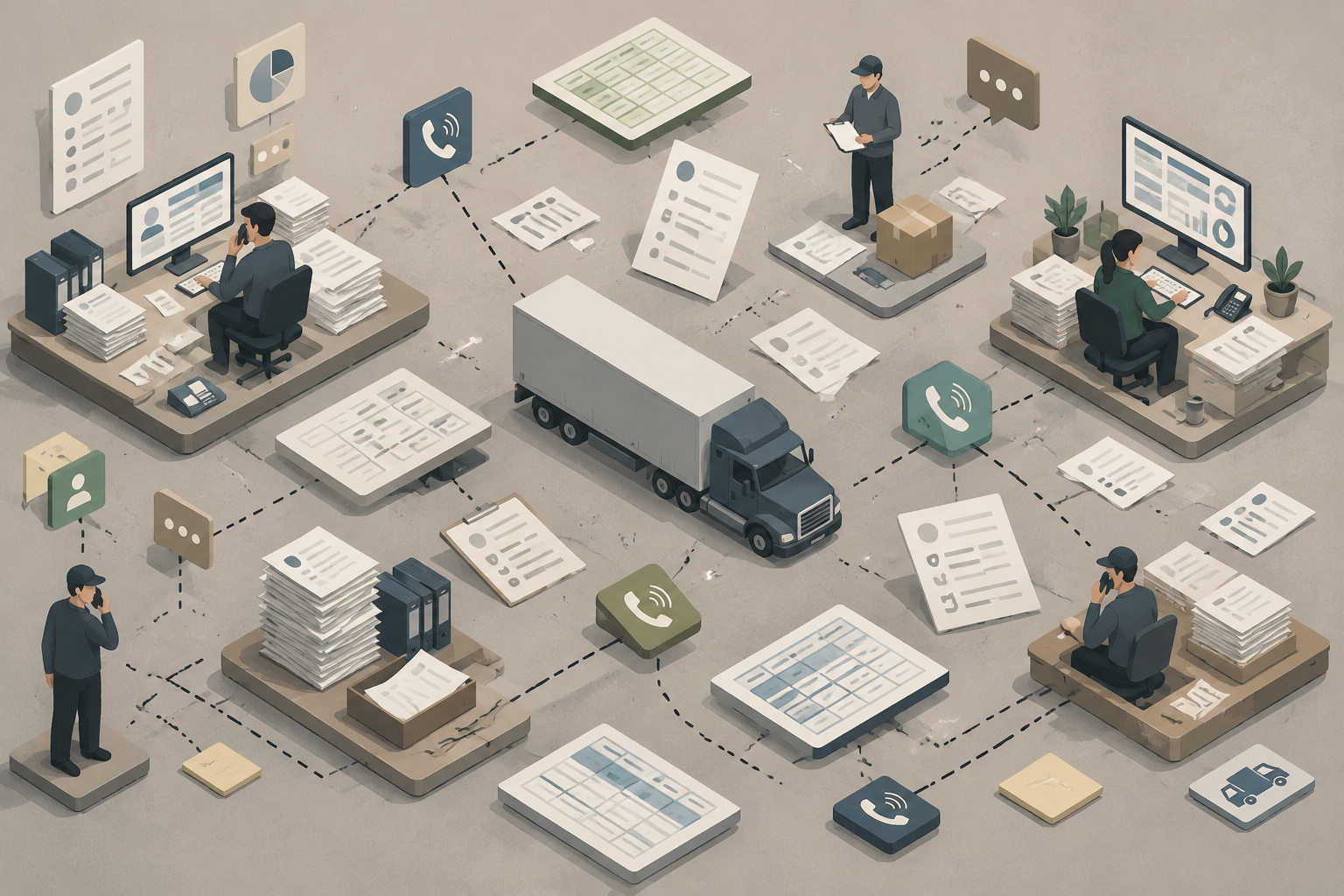
The Hidden Costs of Manual and Fragmented Workflows
Manual workflows—such as planning routes in spreadsheets, dispatching orders by phone or email, and reconciling data across disconnected platforms, may seem manageable day-to-day. However, these practices introduce a range of inefficiencies that accumulate rapidly:
- Lost Time and Productivity: Office staff and dispatchers spend hours each week on repetitive data entry, chasing updates, and resolving discrepancies. Drivers lose valuable time waiting for instructions or clarifications, often resulting in missed delivery windows or underutilized capacity.
- Data Errors and Rework: Manual entry increases the risk of mistakes in order details, scheduling, or invoicing. These errors can lead to costly rework, billing disputes, and dissatisfied customers.
- Lack of Real-Time Visibility: Without integrated, live data, operational leaders lack the oversight needed to make proactive decisions. Bottlenecks or delays are often only identified after they have already impacted service or costs.
- Inconsistent Processes: Disconnected systems and ad-hoc workarounds create variability in how tasks are performed. This inconsistency makes it difficult to scale operations, maintain compliance, or deliver a uniform customer experience.
Over time, these hidden costs compound, undermining efforts to reduce operational expenses and improve service quality. For organizations operating with thin margins, the impact can be significant—often the difference between profit and loss.
Operational Risks and Service Impact
Beyond direct costs, manual and fragmented workflows expose transport operators to operational risks that can damage reputation and customer relationships:
- Delayed Response to Issues: When live status updates are missing, it becomes challenging to identify and address problems, such as late deliveries or route deviations, before they escalate. This reactive approach can result in missed SLAs and customer escalations.
- Limited Agility: In a dynamic environment, the ability to adapt quickly is crucial. Manual processes slow down decision-making, making it harder to respond to traffic disruptions, last-minute order changes, or urgent customer requests.
- Compliance and Audit Challenges: Maintaining accurate records for regulatory compliance (such as driver hours, emissions, and safety standards) is more difficult when data is scattered across spreadsheets and emails. This increases audit risk and the potential for costly penalties.
Ultimately, these risks translate into lost business opportunities, increased operational friction, and further margin erosion.
Why Digitalization is No Longer Optional
The logistics industry is undergoing rapid digital transformation. Customers now expect real-time updates, seamless communication, and data-driven service. Competitors are investing in integrated systems that enable them to operate more efficiently and deliver superior value.
For decision-makers, digitalization is not just about adopting new technology, it is about building a foundation for sustained efficiency, agility, and profitability. The right digital tools can:
- Automate Routine Tasks: Free up staff to focus on higher-value activities by eliminating manual data entry and repetitive coordination.
- Provide Real-Time Operational Visibility: Enable leaders to monitor fleet status, order progress, and performance metrics from a single dashboard, supporting proactive management and faster issue resolution.
- Enhance Collaboration: Connect dispatchers, drivers, and customers through shared, up-to-date information, reducing miscommunication and delays.
- Support Data-Driven Decisions: Deliver actionable insights that help identify inefficiencies, optimize resource allocation, and drive continuous improvement.
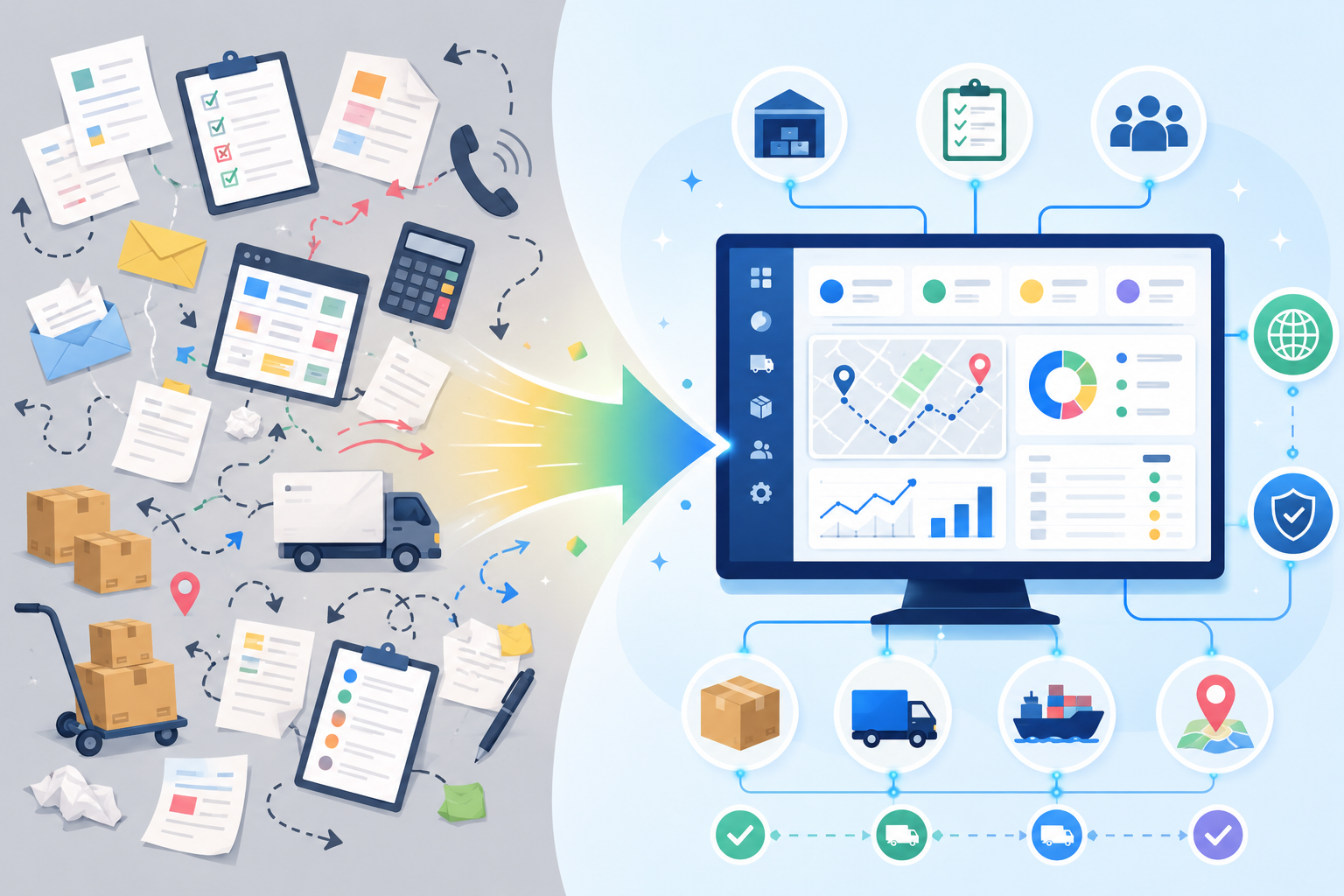
How Integrated Transport Order Management Transforms Margins
A modern Transport Order Management System (TOMS), such as the solution from PICit A/S, is purpose-built to address the core challenges of manual, fragmented workflows in road haulage.
Key Benefits for Operational Leaders:
- End-to-End Digital Workflow: TOMS digitalizes the entire process from order creation through dispatch, execution, and invoicing. This eliminates paper-based and phone/email coordination, reducing errors and administrative overhead.
- Real-Time Access Anywhere: Both office staff and drivers can access and update orders via web browser or mobile app, ensuring everyone has the latest information—whether in the office or on the road.
- Integrated Task and Time Management: Built-in features for driver time registration, task tracking, and automated notifications help maximize productivity and ensure compliance with labor regulations.
- Seamless System Integration: TOMS connects with other logistics platforms, such as terminal operating systems, enabling a unified flow of information across the entire transport chain.
- Faster, More Accurate Invoicing: Automated data capture and digital workflows accelerate the invoicing cycle, reduce disputes, and improve cash flow.
Quantifiable Outcomes:
- Reduced Order Processing Time: Digital workflows cut administrative effort, allowing teams to handle more orders without increasing headcount.
- Improved On-Time Delivery: Real-time visibility supports proactive management of exceptions, helping maintain high service levels and customer satisfaction.
- Lower Operational Costs: By minimizing manual work and errors, organizations can achieve significant cost savings, often exceeding 10% annually.
- Enhanced Scalability: Standardized, integrated processes make it easier to grow operations without adding complexity or overhead.
Conclusion: Turning Efficiency into Competitive Advantage
For transport operators facing persistent margin pressure, the status quo of manual, fragmented workflows is no longer sustainable. The hidden costs - lost time, errors, operational risk- directly undermine profitability and service quality. By embracing digitalization and integrated transport order management, decision-makers can unlock new levels of efficiency, visibility, and control.
Investing in solutions like PICit’s Transport Order Management System (TOMS) is not just a technology upgrade. It is a strategic move to protect margins, deliver superior service, and build a resilient, future-ready operation. In a market where every percentage point counts, the shift from manual to digital is the key to sustained competitive advantage.

.png?height=200&name=Article%20(2).png)