

Understanding the True Cost of Congestion in Logistics Hubs
In today’s fast-paced logistics environment, congestion in yards and warehouses is more than just a temporary inconvenience. For operational stakeholders at high-traffic logistics hubs, persistent congestion translates directly into lost throughput, increased costs, and mounting operational stress. While the visible impacts, trucks queuing at gates, containers piling up, and staff scrambling to locate goods, are obvious, the underlying business pain is often underestimated.
Congestion acts as a silent profit drain. When yard and warehouse flows break down, every minute of delay ripples through the entire logistics chain. Idle trucks mean higher demurrage costs and dissatisfied carriers. Overflowing storage areas force inefficient workarounds, such as double-handling cargo or using temporary spaces not designed for high-volume turnover. These inefficiencies not only erode margins but also put pressure on teams to firefight rather than optimize.
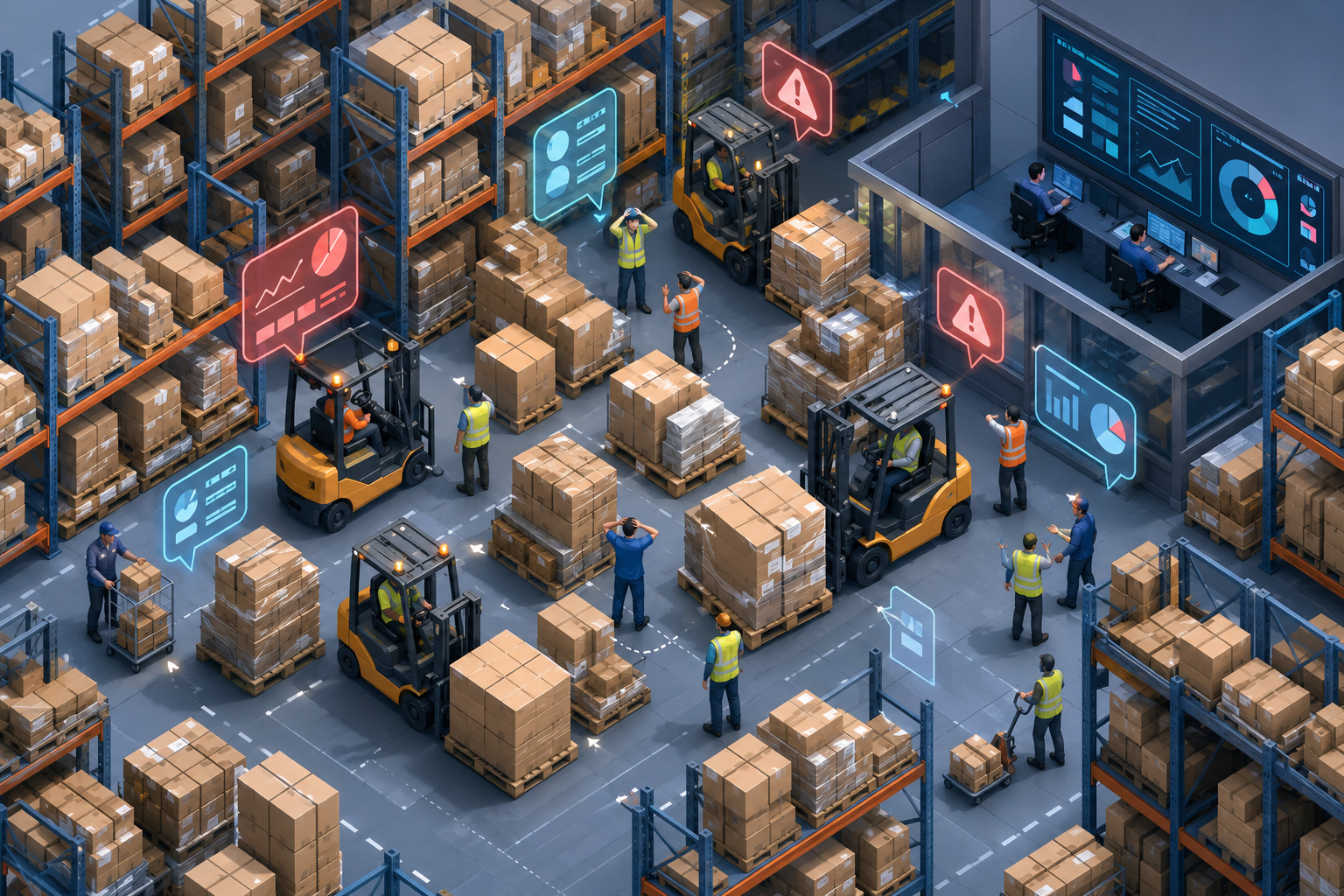
Operational Stress: The Hidden Toll on Warehouse and Depot Teams
For warehouse and depot managers, the operational stress caused by congestion is a daily reality. During peak periods, the lack of real-time visibility into goods, containers, and vehicle locations makes proactive planning nearly impossible. Instead, teams are forced into reactive mode, juggling priorities, reallocating staff on the fly, and relying on manual tracking tools like spreadsheets or whiteboards.
This constant firefighting leads to communication breakdowns between warehouse, yard, and transport teams. Without synchronized information, misalignments in loading and dispatch schedules become routine. The result is a cycle of stress, where operational leaders spend more time solving immediate crises than driving continuous improvement. Over time, this stress can lead to staff burnout, higher turnover, and a decline in overall team performance.
How Inefficiency Erodes Throughput and Profitability
The financial impact of congestion is significant. Throughput loss, when fewer goods are processed per hour or per shift, translates directly into missed revenue opportunities. Every instance of double-handling, delayed dispatch, or misallocated storage space adds to operational costs. In a sector where margins are tight, these hidden costs accumulate rapidly.
Inefficiency also undermines the ability to scale. When manual interventions are required to locate goods or coordinate vehicle movements, adding more volume means adding more staff or accepting longer lead times. This limits the potential for year-on-year throughput growth without proportional increases in headcount or infrastructure investment. Ultimately, congestion restricts the flexibility needed to respond to market demands or unexpected surges in volume.
The Role of Real-Time Visibility in Reducing Congestion
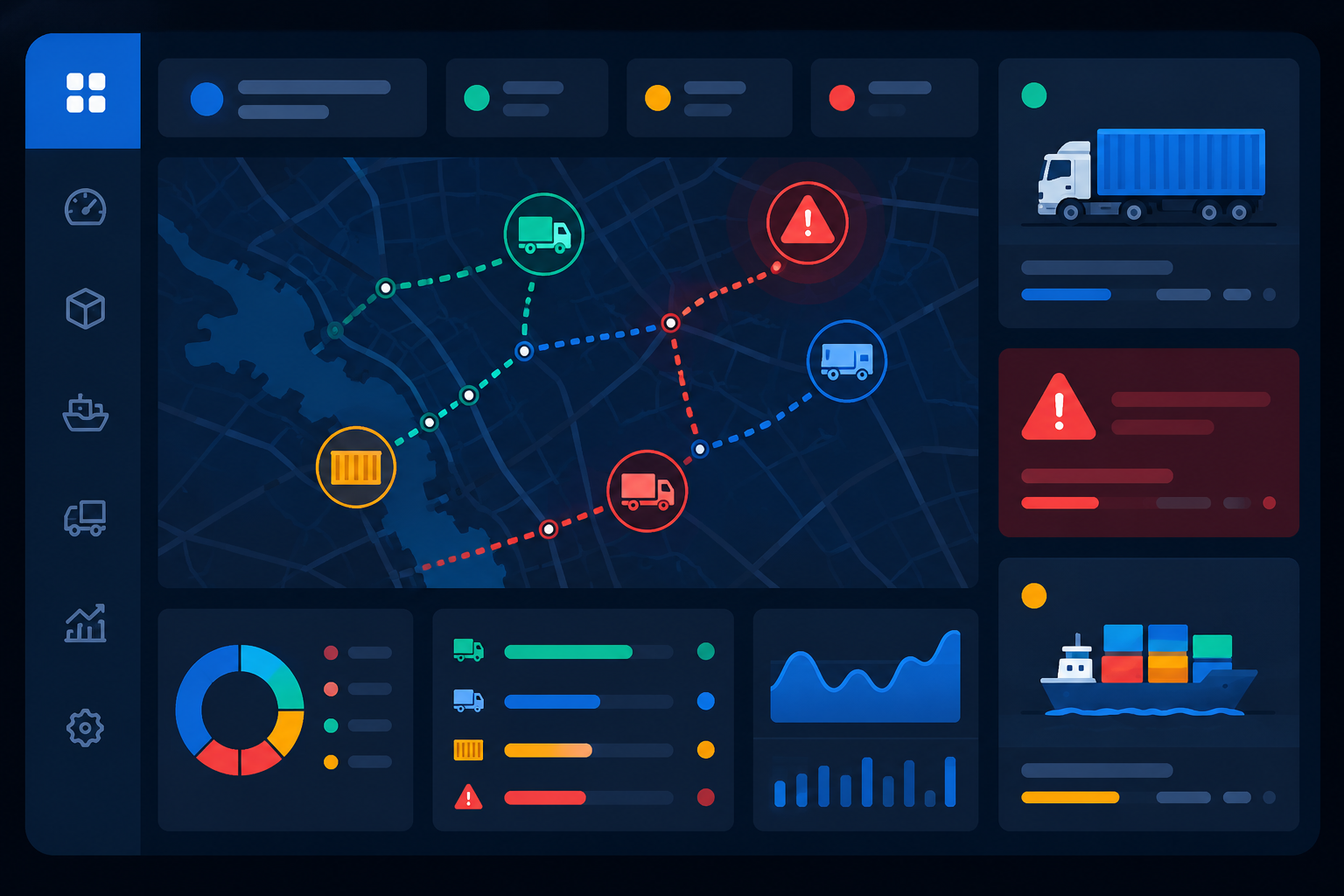
One of the most effective levers for combating congestion is real-time operational visibility. When warehouse and yard managers have access to live data on inventory, vehicle positions, and activity status, they can make faster, more informed decisions. This visibility enables proactive planning, allocating resources where they are needed most, anticipating bottlenecks before they escalate, and synchronizing schedules across teams.
Modern Warehouse Management Systems (WMS), such as PICit’s Cargo Freight Station / Warehouse Management System, are designed to provide this level of transparency. By integrating real-time inventory management, cargo storage tracking, and activity reporting, these systems eliminate the blind spots that lead to congestion. Automated dashboards offer a clear overview of current operations, while mobile support ensures that floor staff and supervisors can access critical information wherever they are needed.
Modern Solutions for Lean, High-Volume Operations
To address the root causes of congestion, logistics hubs must move beyond patchwork solutions and legacy systems. Integrated platforms like PICit’s Cargo Freight Station / Warehouse Management System (WMS) and Terminal Operating System (TOS) offer a unified approach to managing yard and warehouse flows. These solutions are built for high-volume, lean operations, providing:
- Live operational dashboards for real-time decision-making
- Accurate tracking and searchability for goods, containers, and locations
- Automated coordination between warehouse, yard, and transport teams
- Seamless integration with planning and transport management systems to eliminate data silos
- Intuitive interfaces that support rapid adoption by both floor staff and supervisors
By replacing manual tracking and fragmented reporting with a single, integrated platform, operational stakeholders can reduce manual interventions by up to 50%. This not only frees up staff for higher-value tasks but also supports measurable reductions in dwell time and congestion. The result is a more resilient, scalable operation that can handle peak volumes without sacrificing profitability or team wellbeing.
Conclusion: Turning Congestion into Competitive Advantage
Congestion in logistics hubs is not just an operational headache, it is a direct threat to profitability and long-term growth. By understanding the hidden costs and operational stress it creates, decision-makers can make a compelling case for investing in modern, integrated management systems. Real-time visibility and streamlined workflows are no longer optional; they are essential for maintaining throughput, reducing costs, and empowering teams to focus on continuous improvement rather than crisis management.
For logistics hubs seeking to stay ahead in a competitive market, addressing congestion is the first step toward unlocking greater efficiency, resilience, and profitability.