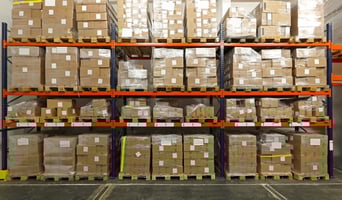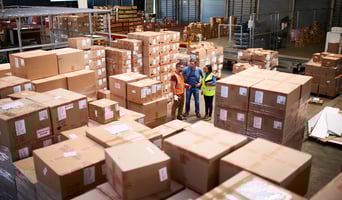
Introduction: The Hidden Gaps in “Digital” Warehouses Many warehouses today are already digital, at...

The Challenge: Unclear Instructions and Operational Bottlenecks
In busy port terminals, operational efficiency hinges on clear, timely communication and well-structured workflows. Terminal workers are often under pressure to execute cargo handling tasks rapidly and safely, especially during vessel calls and peak operations. However, when instructions are unclear or change without warning, confusion sets in. This leads to unnecessary waiting, duplicated efforts, and even safety risks. Reliance on radio communication, paper lists, and ad hoc verbal updates can create bottlenecks, especially when priorities shift or unexpected events occur.
Operational stakeholders in terminal environments frequently encounter these pain points:
- Unclear or changing instructions during operations
- Excessive waiting time due to poor coordination
- Limited real-time visibility into overall operation and shifting priorities
- Heavy reliance on manual communication, increasing the risk of error
These challenges not only slow down cargo handling but also increase frustration for teams who take pride in completing work efficiently and safely. The need for clear, actionable guidance is more critical than ever as terminals handle diverse cargo types and adapt to dynamic schedules.
The Value of Clear, Digital Workflows in Terminal Operations
Clear, digital workflows are the foundation of productive terminal operations. When instructions are consistent, up-to-date, and easily accessible, terminal teams can focus on executing their tasks rather than deciphering what needs to be done next. Digitalization in logistics has transformed many aspects of cargo operations, but for terminal workers, the real value lies in tools that simplify day-to-day routines and reduce ambiguity.
Digital workflows provide several key benefits:
- Consistency: Standardized instructions reduce the risk of miscommunication between supervisors and teams.
- Real-time visibility: Workers can see task priorities and changes as they happen, minimizing confusion and waiting.
- Efficiency: Automated updates and clear task lists help teams adapt quickly to changing operational demands.
- Reduced administrative overhead: Less reliance on paperwork and manual tracking means more time spent on core tasks.
By moving away from fragmented manual processes and embracing digital solutions, terminals can unlock higher throughput, better resource utilization, and improved morale among operational staff.
How Terminal Operating System (TOS) Transforms Day-to-Day Cargo Handling
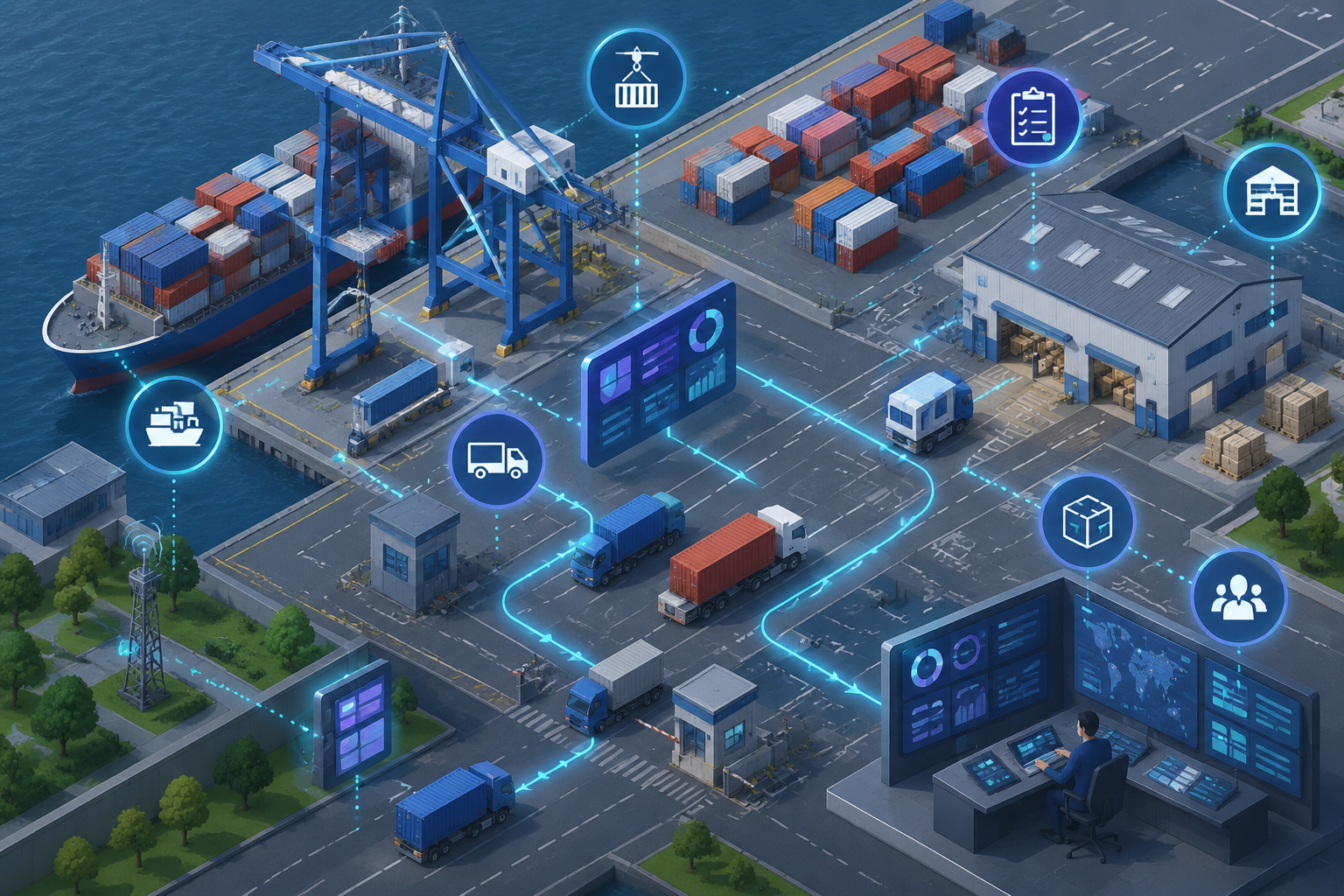
The Terminal Operating System (TOS) from PICit A/S is designed specifically to address the challenges faced by terminal operators and frontline teams. TOS integrates all aspects of terminal movements, from vessel call management and yard operations to truck and train scheduling. For terminal workers, this means:
- Real-time container and cargo tracking: Workers receive up-to-date information on cargo locations and handling priorities, eliminating guesswork.
- Mobile tablet support: Task instructions and updates are accessible directly on the yard or quayside, reducing the need for radio check-ins or trips to the office.
- Integrated communication: All parties, shipping lines, hauliers, customs, and terminal teams, share a single information platform, ensuring everyone is aligned.
- Automated reporting: Manual reporting is eliminated, freeing up time and reducing the risk of errors.
With TOS, operational stakeholders no longer need to rely on whiteboards, paper lists, or fragmented radio instructions. Instead, they benefit from a structured, digital workflow that adapts to the realities of terminal operations. When vessel schedules change or cargo priorities shift, updates are pushed instantly to all relevant team members, enabling rapid, coordinated responses.
Real-Time Updates: Reducing Waiting Time and Miscommunication
One of the most significant sources of inefficiency in terminal operations is waiting - waiting for instructions, waiting for equipment, or waiting for other teams to complete their tasks. These delays often stem from a lack of real-time visibility and slow communication channels.
TOS addresses this by providing:
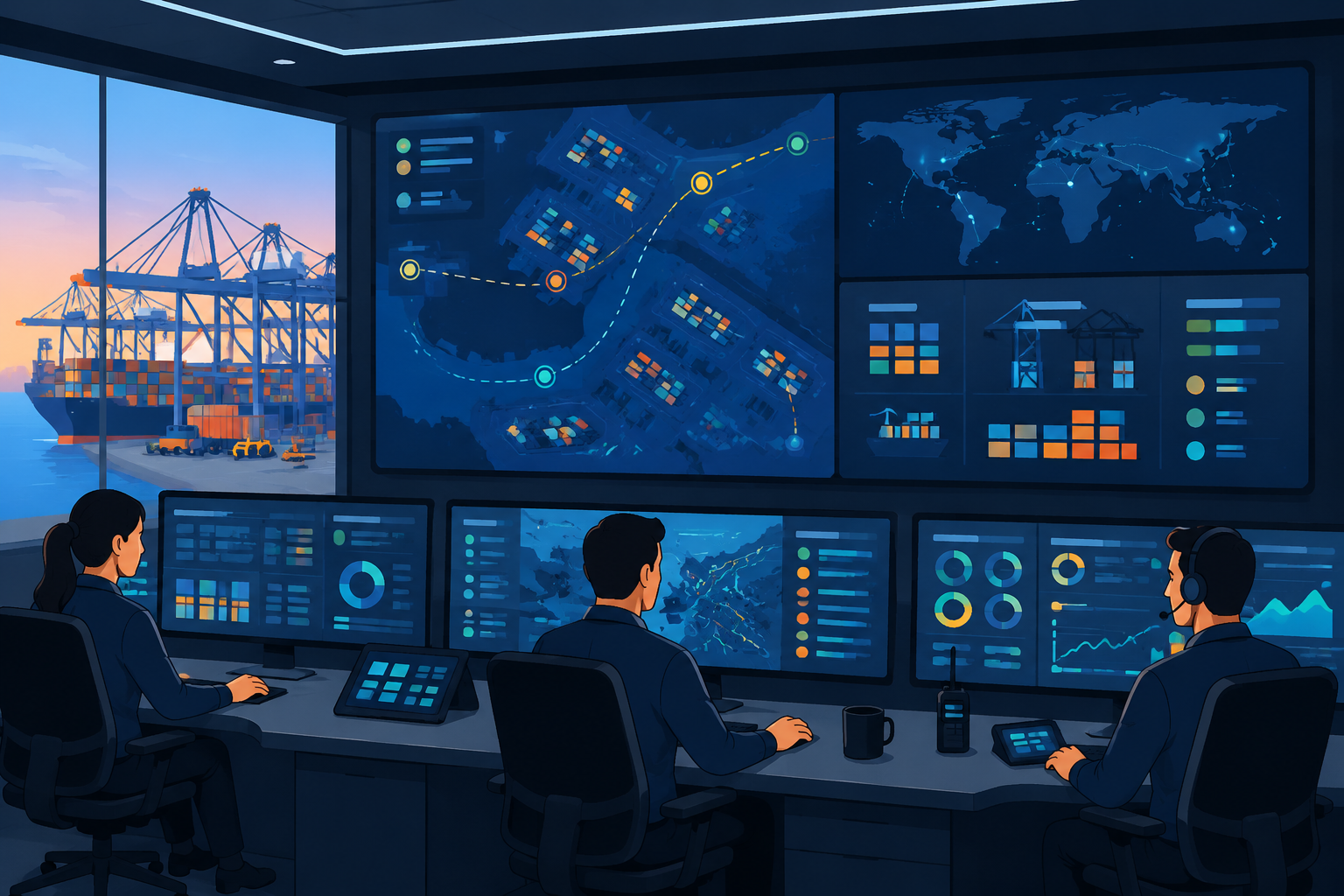
- Live task updates: As soon as a supervisor reprioritizes a task or a vessel arrival time changes, the information is updated across all devices.
- Clear task allocation: Each worker knows exactly what needs to be done, where, and when, reducing idle time and minimizing the risk of duplicated effort.
- Seamless coordination: Integrated scheduling for trucks, trains, and vessels ensures that hand-offs between teams are smooth and predictable.
By minimizing ambiguity and ensuring that everyone is working from the same set of instructions, TOS helps terminal teams achieve faster turnaround times and higher throughput. This not only improves operational KPIs such as gate turnaround and container dwell time but also reduces stress and frustration for frontline workers.
Building a Culture of Efficiency and Safety with Digital Tools
Efficiency and safety go hand in hand in terminal operations. When workflows are clear and predictable, teams can focus on executing tasks safely without rushing or cutting corners. Digital tools like TOS also support compliance with safety regulations by ensuring that all cargo is handled according to established procedures and that any changes are communicated instantly.
Moreover, digitalization fosters a culture of continuous improvement. Operational stakeholders can provide feedback on workflow bottlenecks, and supervisors can use data from TOS to identify areas for further optimization. Over time, this leads to more predictable shift routines, better teamwork, and a stronger sense of pride in completing work both safely and efficiently.
Conclusion: Empowering Terminal Teams for Higher Productivity
The move toward clear, digital workflows is not just about technology, it is about empowering terminal teams to do their best work. By reducing confusion, waiting time, and miscommunication, solutions like PICit’s Terminal Operating System (TOS) enable operational stakeholders to focus on what matters: efficient, safe, and predictable cargo handling.
As terminals continue to evolve and handle increasing volumes and complexity, the value of clear instructions and real-time updates will only grow. Investing in digital workflow tools is a practical step toward higher productivity, better morale, and safer operations for everyone on the terminal floor.