Introduction: When Communication Slows Down For many transport operations, driver communication...
Understanding the True Cost of Terminal Waiting Time
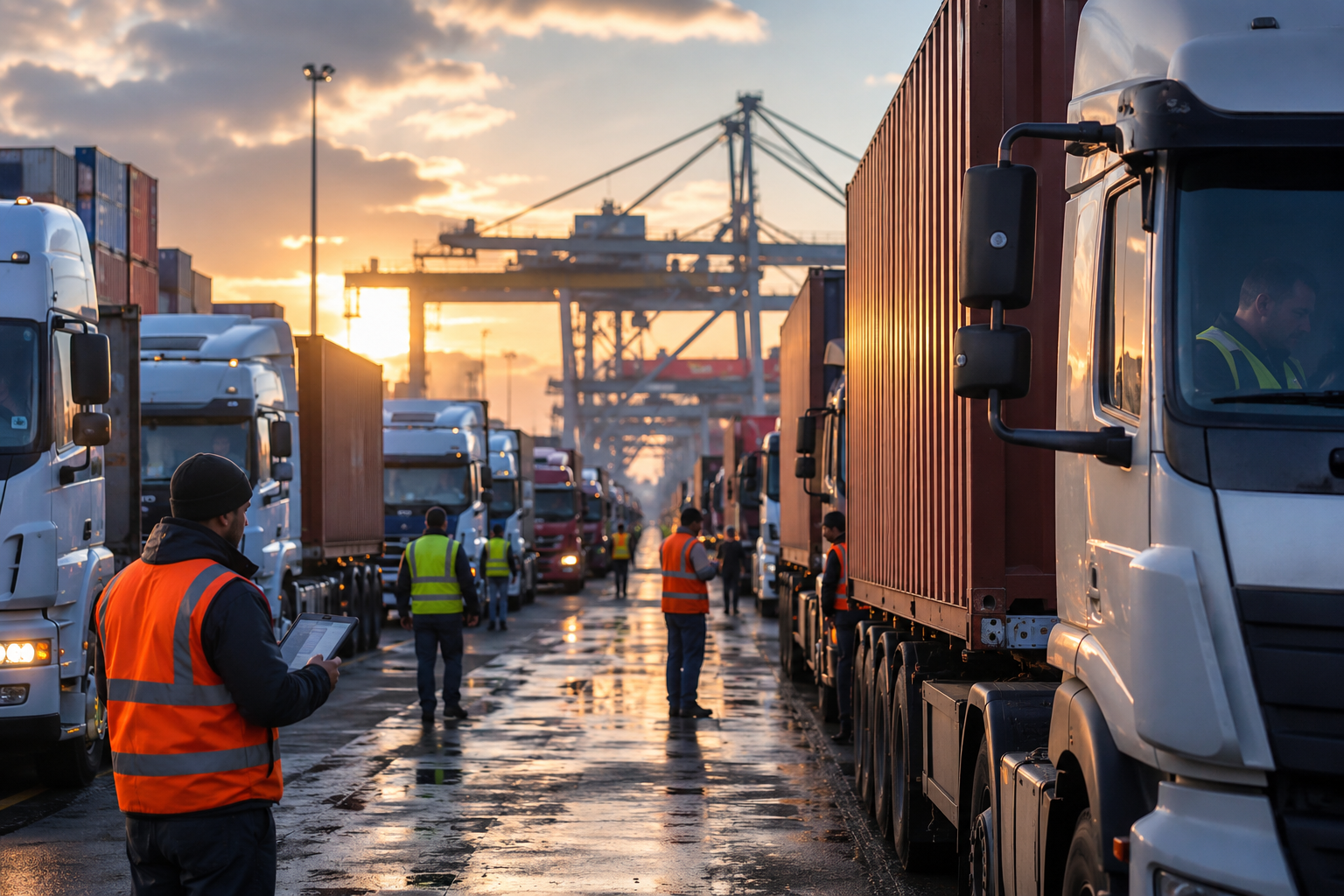
In the world of road freight and logistics, every minute counts. For drivers, excessive waiting at terminals or customer sites is more than just a minor inconvenience—it directly impacts daily efficiency, job satisfaction, and the bottom line for haulage operators. When drivers are left idle, not only do delivery schedules slip, but operational costs rise and stress levels increase. Reducing terminal downtime is no longer just a matter of convenience; it is a strategic necessity for companies aiming to stay competitive and for drivers seeking a more predictable, manageable workday.
Key Causes of Driver Downtime at Terminals and Customer Sites
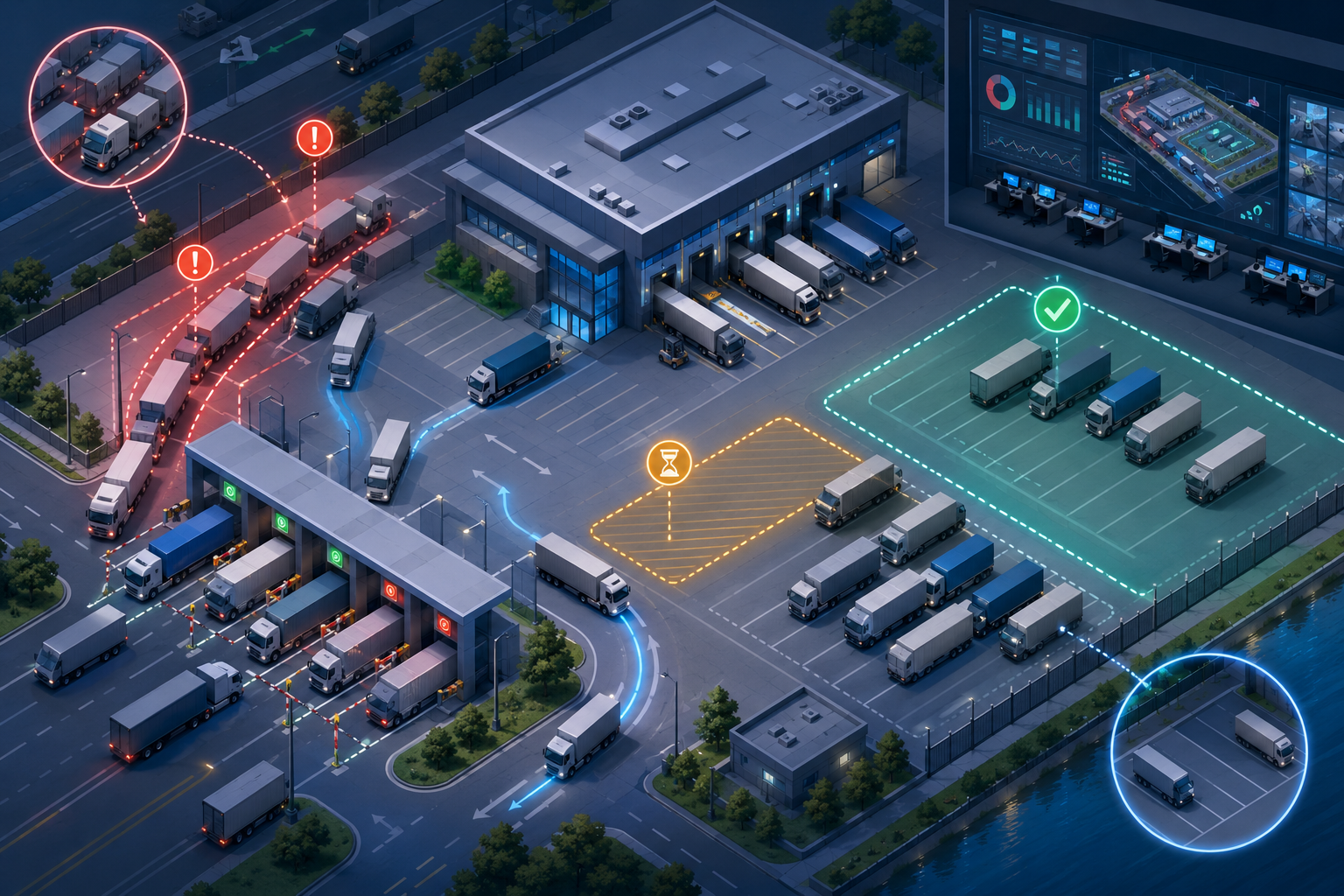
Despite advances in logistics technology, many drivers still face significant idle time during cargo handover. Several factors contribute to this challenge:
- Unclear or Last-Minute Instructions: When dispatch updates are delayed or ambiguous, drivers are left waiting for clarity before proceeding.
- Manual Check-In Processes: Paper-based or phone-based check-ins at terminals can create bottlenecks, especially during peak periods.
- Limited Real-Time Visibility: Without up-to-date information on cargo readiness or gate status, drivers may arrive too early or too late, resulting in unnecessary waiting.
- Communication Gaps: Heavy reliance on phone calls and SMS for updates can lead to miscommunication, missed changes, and duplicated efforts.
- Fragmented IT Systems: When terminals, hauliers, and customers use disconnected systems, essential information is often delayed or lost, further compounding idle time.
For operational stakeholders, these issues translate into lost productivity, increased overtime costs, and reduced driver morale. For drivers, the lack of real-time updates and clear instructions is a daily source of frustration and unpredictability.
Modern Strategies to Minimize Idle Time
Addressing terminal waiting requires a combination of process improvements and digital transformation. Here are proven strategies that leading logistics operators are adopting:
1. Digital Pre-Arrival Notifications
By leveraging digital platforms, dispatch can send real-time updates to drivers about cargo readiness, gate assignments, and expected wait times. This allows drivers to adjust their arrival, reducing unnecessary queuing and idle periods.
2. Integrated Appointment and Slot Booking
Modern Terminal Operating Systems (TOS) enable hauliers and drivers to book arrival slots in advance. This streamlines the flow of trucks at terminals, minimizes congestion, and ensures that resources are allocated efficiently.
3. Real-Time Cargo and Gate Status Visibility
With integrated systems, drivers and dispatch teams can access live updates on cargo status, loading progress, and gate operations. This transparency reduces the need for phone-based clarifications and empowers drivers to make informed decisions on the go.
4. Automated Check-In and Paperless Workflows
Mobile-enabled check-in processes eliminate manual paperwork and speed up entry and exit at terminals. Drivers can use their mobile devices to confirm arrivals, receive digital instructions, and report issues instantly.
5. Seamless Communication Between All Parties
Centralized platforms connect terminals, hauliers, and customers, ensuring that everyone has access to the same real-time information. This reduces miscommunication, prevents errors, and creates a more predictable workflow for drivers.
How Digital Solutions Like TOS Transform Daily Driver Workflows
PICit A/S’s Terminal Operating System (TOS) is designed specifically to address the pain points of terminal waiting and driver downtime. Here’s how TOS delivers tangible benefits for both drivers and operators:
- Full Operational Visibility: TOS provides real-time tracking of all terminal movements, so drivers and dispatchers always know the status of cargo, gate assignments, and loading progress.
- Elimination of Manual Reporting: By automating move reporting and integrating all parties into a shared platform, TOS reduces the need for phone calls and manual updates.
- Real-Time Move Reporting: Drivers receive instant notifications about changes to their tasks, allowing them to adapt quickly and avoid unnecessary waiting.
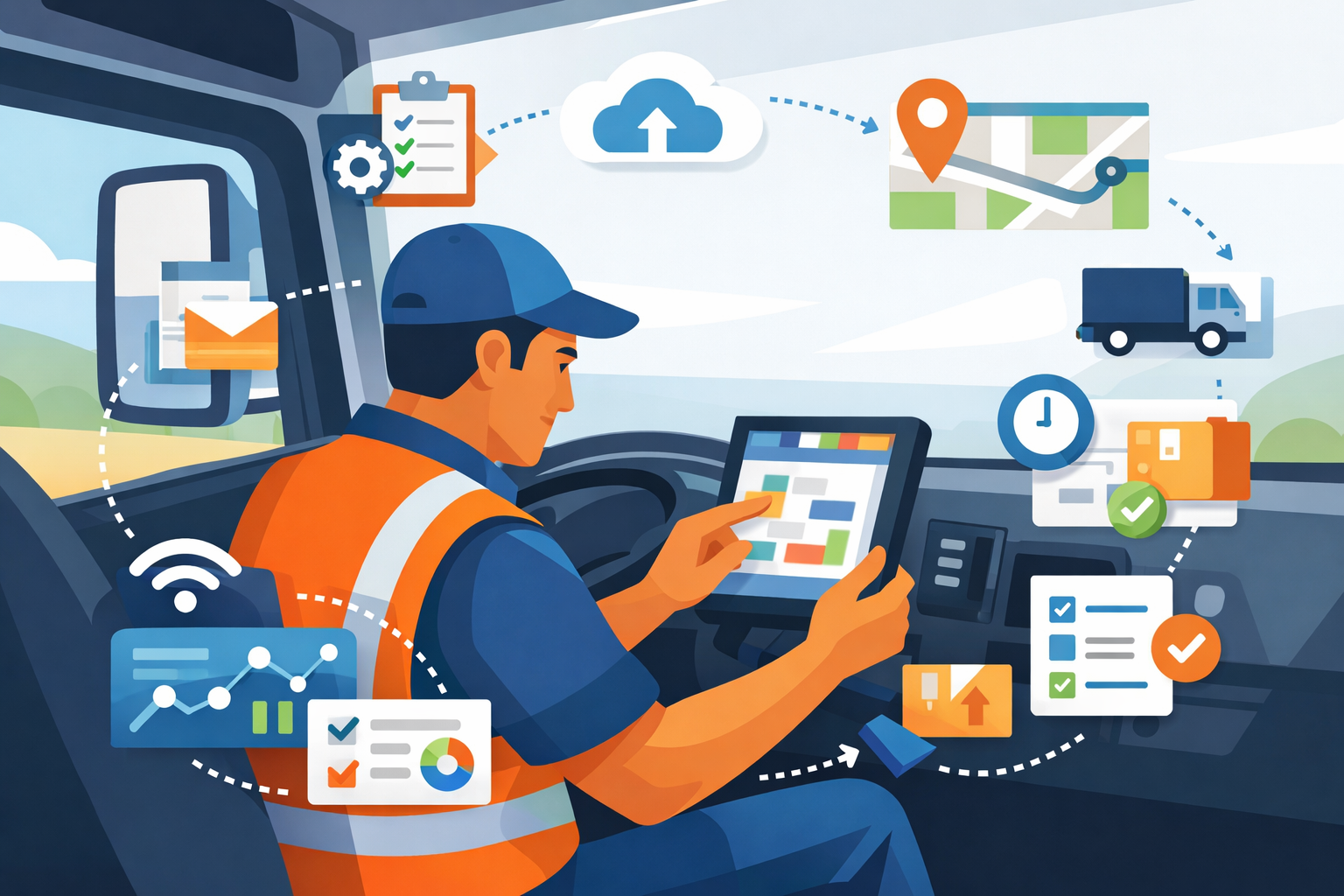
- Mobile Support: With tablet and mobile integration, drivers can access instructions, confirm arrivals, and report issues directly from the field, streamlining communication and reducing paperwork.
- Integration with Goods Transport System (GTS): For operators managing both road and rail freight, TOS integrates seamlessly with GTS, providing end-to-end visibility and coordination across all modes of transport.
These features directly address the core needs of drivers: clear, actionable instructions, reduced waiting times, and a more predictable daily routine.
Actionable Steps for Haulage Operators and Drivers
Reducing terminal downtime is a shared responsibility. Here are practical steps that both operators and drivers can take to move from waiting to working:
- Adopt Integrated Digital Platforms: Transition from fragmented, manual processes to unified systems like TOS that provide real-time visibility and communication.
- Standardize Digital Instructions: Ensure that all route changes, cargo updates, and instructions are delivered digitally and in real time, minimizing reliance on phone calls and paper.
- Empower Drivers with Mobile Tools: Equip drivers with intuitive mobile apps that allow them to receive updates, check in, and report issues without administrative hassle.
- Foster a Culture of Transparency: Encourage open communication between dispatch, drivers, and terminal staff, supported by shared digital platforms.
- Monitor and Optimize Waiting Times: Use system data to track waiting times at terminals and customer sites, identify bottlenecks, and implement targeted improvements.
By embracing these strategies and leveraging solutions like PICit’s Terminal Operating System, logistics operators can significantly reduce driver idle time, improve operational efficiency, and create a better working environment for everyone involved.
Conclusion
Terminal waiting time is a persistent challenge in road freight, but it is not inevitable. With the right combination of process improvements and digital solutions, operators can transform idle time into productive work, benefiting both drivers and the business as a whole. The journey from waiting to working starts with clear information, real-time communication, and a commitment to operational excellence.