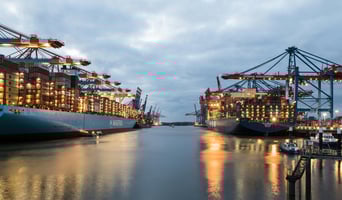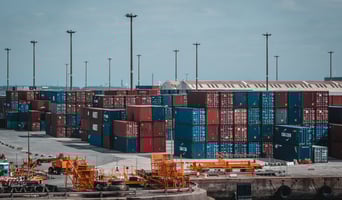
Terminal operations are complex by nature. Yard movements, gate activity, vessel schedules and...
Terminal operations depend on coordination across multiple moving parts. Yard management, gate activity, vessel schedules, equipment allocation and documentation all interact throughout the day. When systems supporting these processes operateindependently, even small gaps in information flow can have operational consequences.
Fragmentation is rarely obvious at first. It often appears as minor delays, additional confirmations or parallel workflows that gradually increase complexity.
When Systems Do Not Speak the Same Language
In many terminals, different functions rely on separate systems. Each may perform its role well, yet lack seamless integration with the others.
When information does not flow consistently between systems, teams may experience:
- Conflicting data across platforms
- Delays in updating operational status
- Increased manual reconciliation
- Reduced confidence in shared reports
- Faster and more consistent decisions
- Clearer accountability across functions
- Improved collaboration between operational areas
- Stronger control during peak periods
- Instead of managing discrepancies, teams focus on execution.
- From Fragmentation to Control
These issues rarely cause immediate breakdowns. Instead, they create friction that slows coordination and increases reliance on manual processes.
The Hidden Operational Costs
Fragmented systems do not only affect efficiency. They influence decision quality.
When data must be checked across multiple platforms, decisions take longer. During peak activity, this delay can affect yard flow, gate throughput and vessel turnaround times.
Over time, fragmentation can lead to:
• Higher administrative workload
• Slower response to disruptions
• Greater risk of misalignment between teams
• Limited visibility into real-time terminal status
These hidden costs accumulate, particularly in environments where precision and timing are critical.
Impact on Predictability and Planning
Reliable planning depends on accurate, consistent information. If operational data is scattered, planning teams may rely on incomplete or outdated insights.
This can result in conservative decision-making or reactive adjustments when discrepancies surface. Predictability decreases because the operational picture is not fully aligned.
Integrated systems support planning by ensuring that updates are reflected consistently across functions. This strengthens the foundation for both short-term adjustments and long-term optimization.
Reducing Dependency on Manual Coordination
Manual coordination often fills the gaps left by disconnected systems. Phone calls, email confirmations and informal checks become part of daily routines.
While this may keep operations running, it also increases workload and introduces risk. Information can be misunderstood, delayed or duplicated.
When systems are connected, many of these manual steps become unnecessary. Teams can rely on shared visibility instead of repeated confirmation.
Building a Unified Operational View
Integration creates a single operational picture across the terminal. Yard movements, gate entries, vessel operations, and equipment status are reflected in one coherent flow of information.
This unified view supports:
Fragmentation reduces control by introducing uncertainty. Integration strengthens control by aligning data and processes.
The shift is not merely technical. It affects how teams coordinate, how quickly they respond and how confidently they plan.
Conclusion
The cost of fragmented terminal systems is rarely visible in isolation. It appears gradually through slower decisions, increased coordination effort and reduced predictability.
By reducing data silos and connecting operational systems, terminals can strengthen visibility, improve coordination and support more stable daily operations.