
Key takeaways
• Port finance teams often spend more time consolidating and reconciling data than analyzing it.
• Automating data flows between operational and financial systems reduces errors, speeds up reporting, and shows the true cost drivers.
• An integrated terminal operating system (TOS) gives finance direct access to operational data such as container moves and vessel calls.
• Finance teams can start in five steps: assess workflows, engage operations, evaluate solutions, run a pilot, and train staff.
Why Is Financial Reporting So Hard for Port Finance Teams?
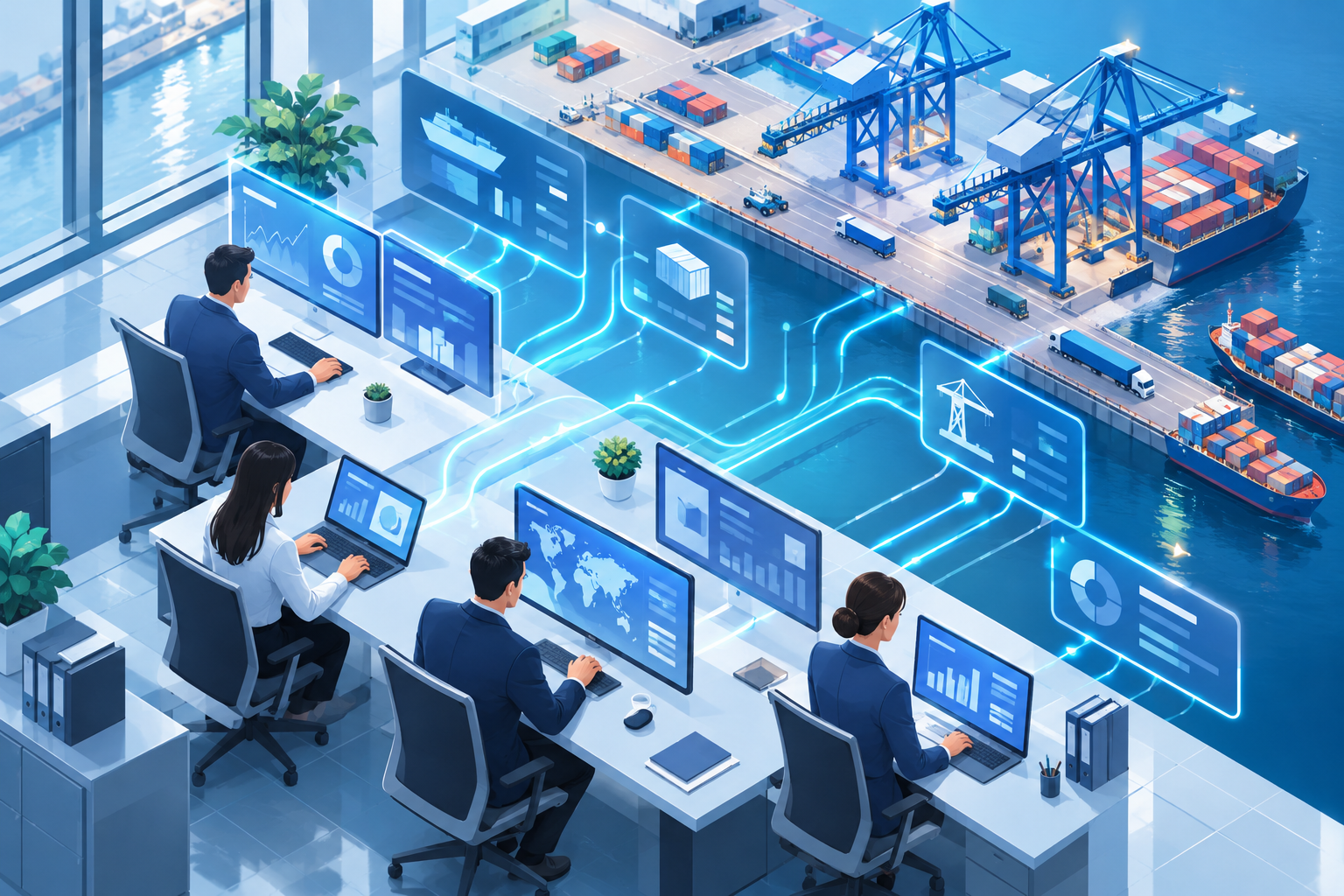
Financial reporting is hard for port finance teams because the data they need is spread across many operational systems and has to be collected and reconciled by hand. Finance teams in port operations face a unique set of challenges. The sheer volume and complexity of operational activities, container movements, vessel calls, yard management, and intermodal transfers, generate vast amounts of data. Yet, for many finance professionals, turning this operational data into accurate, timely financial reports remains a manual, time-consuming process. The result? Limited visibility into cost drivers, slow reporting cycles, and a constant struggle to provide actionable insights to management.
Controllers and finance stakeholders often find themselves consolidating data from multiple sources, reconciling discrepancies, and depending on other departments for timely information. These manual processes not only increase the risk of errors but also delay critical decision-making. In a sector where margins are tight and operational efficiency directly affects profitability, the need for a better approach is clear.
What Is Port Finance Automation, and Why Does It Matter?
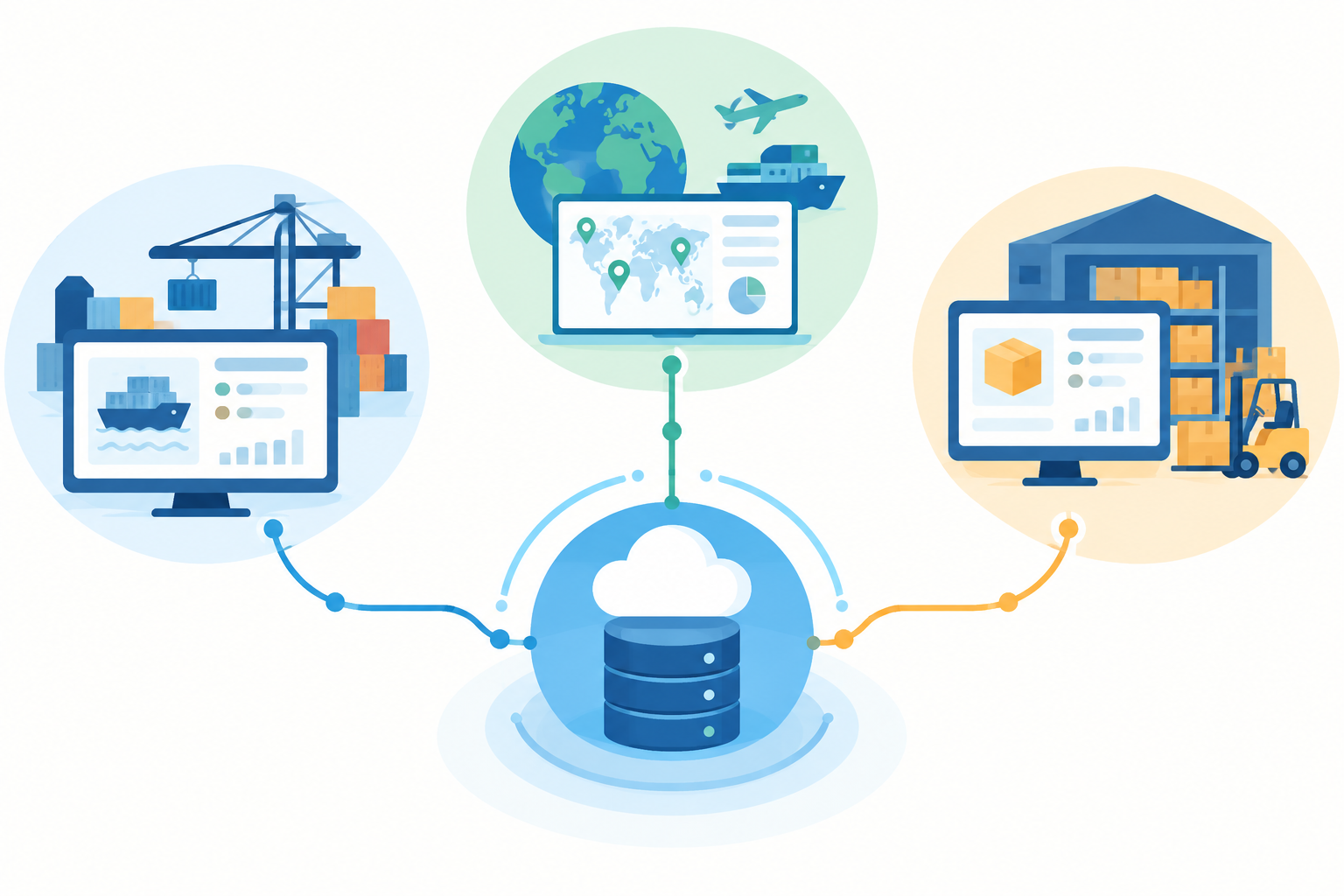
Port finance automation means connecting operational systems, such as a terminal operating system, directly to financial reporting, so data on container moves, vessel calls, and storage flows into reports without manual consolidation. Automation is more than a buzzword, it's a strategic necessity for port finance teams seeking to improve accuracy, speed, and transparency. Manual data entry and spreadsheet-based consolidation are prone to errors and inconsistencies. When operational data and financial systems are disconnected, finance professionals spend valuable hours on reconciliation rather than analysis.
Automating data flows between operational and financial systems addresses several pain points:
- Reduces manual work: Automated data integration eliminates repetitive tasks and frees up time for value-added analysis.
- Improves data quality: Direct system-to-system connections reduce errors and ensure consistency across reports.
- Enables real-time insights: Finance teams gain access to up-to-date information, supporting faster and more informed decisions.
- Strengthens cost transparency: Linking operational activities directly to financial outcomes helps identify true cost drivers and areas for efficiency improvement.
In an industry where every minute and every euro counts, automation helps finance teams deliver the accuracy and speed that management demands.
How Do Integrated Systems Improve Financial Data Flows?
Integrated systems improve financial data flows by sending operational data straight into financial reporting, so finance no longer has to extract and combine it by hand. The traditional approach to financial reporting in port operations often involves extracting data from multiple operational systems, terminal management, warehouse operations, transport scheduling, and manually consolidating it for analysis. This fragmented process creates silos, increases the risk of discrepancies, and makes it difficult to trace costs back to specific activities.
Integrated systems, such as the Terminal Operating System (TOS) from PICit A/S, based in Aarhus, Denmark PICit A/S | Terminal Operating System change this paradigm. By connecting operational workflows directly with financial reporting tools, these platforms enable seamless data flows across the organization. Key features include:
- Real-time container and cargo tracking: Every movement is logged and available for financial analysis without delay.
- Automated reporting: Operational data is automatically aggregated and formatted for financial reporting, reducing manual intervention.
- EDI integration: Electronic data interchange ensures that information flows smoothly between systems, partners, and authorities.
- Customs and compliance integration: Automated checks and documentation reduce compliance risks and can speed up clearance processes.
With these capabilities, finance teams can move from reactive, manual processes to proactive, data-driven decision-making.
How Does a Terminal Operating System (TOS) Support Finance Teams?
A terminal operating system supports finance by capturing every operational activity digitally, so finance teams can use the data directly instead of waiting for reports. PICit's Terminal Operating System (TOS) is designed to provide full operational visibility and eliminate manual reporting. For finance professionals, this means:
- Direct access to operational data: No more waiting for reports from operations teams. Finance can drill down into specific activities, track costs in real time, and identify anomalies as they occur.
- Consistent, reliable data: Automated data capture ensures that financial reports are based on accurate, up-to-date information.
- Faster reporting cycles: With data automatically flowing into financial systems, monthly and quarterly reports can be produced more quickly and with greater confidence.
- Improved collaboration: Shared information platforms break down silos between finance and operations, supporting joint efforts to optimize costs and improve profitability.
TOS also integrates with other PICit solutions, such as the Goods Transport System (GTS) for rail operations and the Cargo Freight Station / Warehouse Management System (WMS) for warehouse activities. As a result, activity across the port, from the quay to rail and warehouse, is captured and reflected in financial analysis.
What Are the Benefits of Automated Financial Reporting in Ports?
The main benefits are less reporting effort, better cost transparency, greater accuracy, and faster decisions. Finance teams that adopt automation and integrated systems can expect tangible benefits:
- Reduced reporting effort: Automated consolidation replaces hours of manual work, allowing finance professionals to focus on analysis and strategy.
- Enhanced cost transparency: Detailed, activity-based data helps identify inefficiencies and opportunities for savings across terminals and logistics hubs.
- Greater accuracy: Automated data flows reduce the risk of errors that can undermine confidence in financial reports.
- Faster decision-making: Real-time insights enable finance to support management with timely, actionable information.
Consider a controller responsible for multiple terminals, who can quickly compare operational costs, drill down to specific activities, and provide management with clear recommendations for improvement. Budget forecasts become more reliable, and investment decisions are backed by robust, data-driven business cases.
How Can Port Finance Teams Get Started with Automation?
Transitioning to automated, integrated financial reporting doesn’t happen overnight. Finance teams can take five practical steps:
- Assess current workflows: Identify manual processes, data silos, and recurring pain points in reporting and analysis.
- Engage with operations: Collaborate to understand how operational data is generated and where integration opportunities exist.
- Evaluate technology solutions: Look for platforms like PICit’s TOS that offer seamless integration, automation, and real-time data visibility.
- Pilot and iterate: Start with a pilot project in one terminal or business unit, measure results, and refine processes before scaling.
- Train and support teams: Ensure that finance and operations staff are equipped to use new systems effectively.
By following these steps, finance teams can lay the groundwork for a more efficient, accurate, and strategic reporting environment. For the IT side of the journey, see our guide From Legacy to Future-Proof: Digital Transformation for Terminals.

Conclusion: Building a Foundation for Cost Transparency and Growth
Automation is no longer optional for port finance teams aiming to deliver accurate, timely, and actionable insights. By integrating operational and financial data flows, finance professionals can move beyond manual consolidation and time-consuming reporting. The result is greater cost transparency, improved profitability, and a stronger foundation for strategic growth.
PICit’s Terminal Operating System (TOS), along with complementary solutions like GTS and WMS, helps finance teams achieve these outcomes. With reliable, real-time data in hand, controllers and finance leaders can drive efficiency, support better decisions, and help their organizations thrive in a competitive industry.
Frequently Asked Questions About Port Finance Automation
What is port finance automation?
Port finance automation is the use of integrated systems to move operational data, such as container movements, vessel calls, and storage, directly into financial reporting. It replaces manual data collection, consolidation, and reconciliation.
Why do port finance teams struggle with manual reporting?
Operational data sits in many separate systems, so finance teams must collect it from other departments, combine it in spreadsheets, and reconcile discrepancies. This is slow, error-prone, and limits visibility into cost drivers.
How does a terminal operating system (TOS) help finance teams?
A TOS records operational activities digitally and in real time. Finance teams get direct access to consistent data, can drill down into specific activities and costs, and can produce monthly and quarterly reports faster.
Will automation replace port finance professionals?
No. Automation takes over repetitive data collection and consolidation, so finance professionals can spend more time on analysis, forecasting, and advising management.
How should a port finance team start automating its reporting?
Start by mapping current workflows and pain points, involve operations early, evaluate integrated solutions, run a pilot in one terminal or business unit, and train staff before scaling up.
Want faster, more accurate financial reporting for your terminal? Contact PICit to see how PICit TOS connects your operational and financial data.