
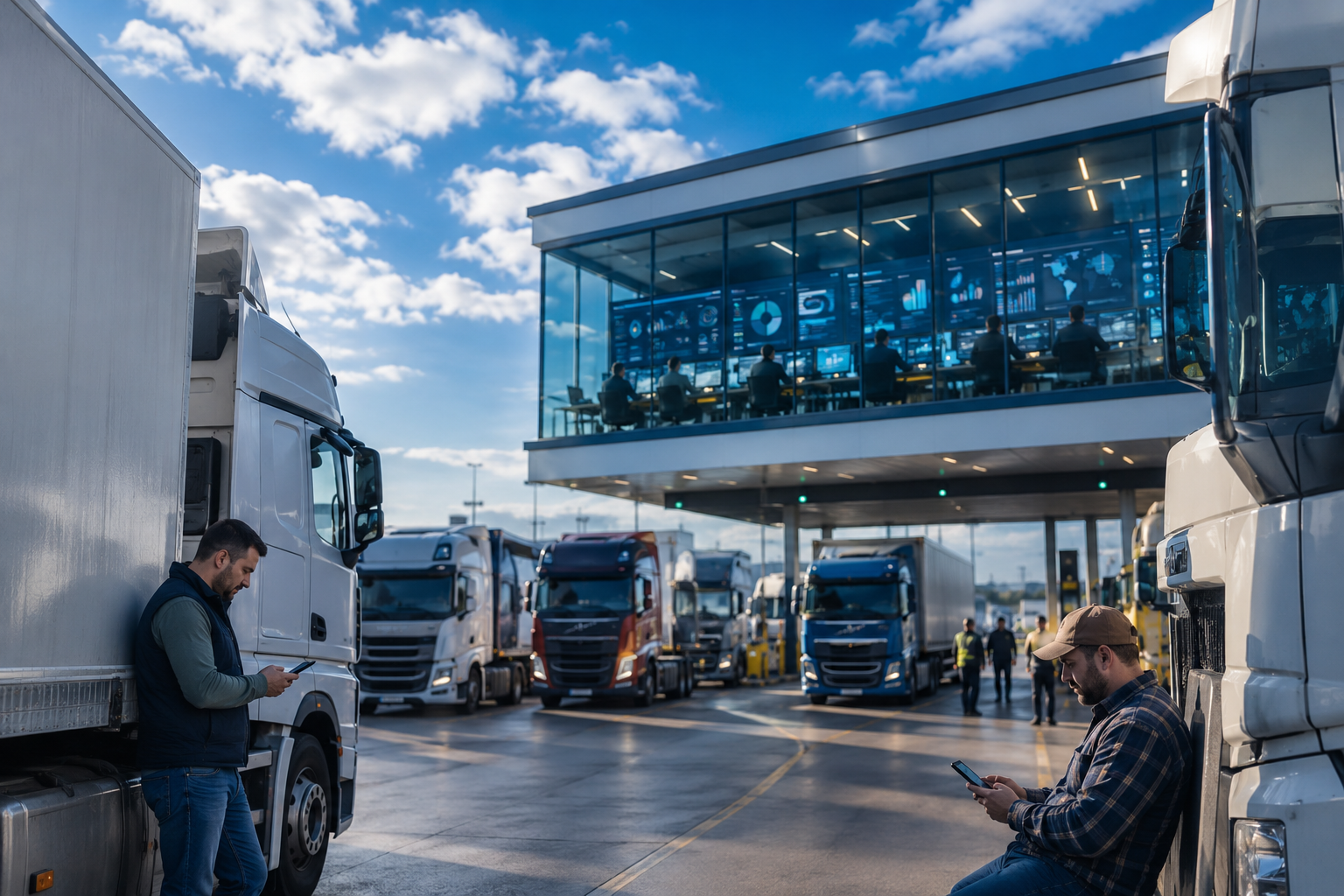
In the fast-paced world of haulage and road freight, every minute counts. Yet, for many logistics operators, excessive waiting at terminals and customer sites remains a persistent challenge. While delays are sometimes unavoidable, the real issue lies in the unpredictability and lack of real-time information that drivers face. These inefficiencies not only erode operational margins but also take a significant toll on driver well-being, morale, and retention.
For operational stakeholders, the urgency to tackle waiting times is not just about improving schedules. It is about safeguarding the bottom line, maintaining a motivated workforce, and staying competitive in a market where efficiency is everything. Understanding the true impact of waiting is the first step toward meaningful change.
Why Terminal Wait Times Undermine Efficiency and Driver Satisfaction
Long, unplanned waits at terminals are more than just an inconvenience. For drivers, they create stress, disrupt carefully planned routes, and often lead to extended working hours or missed delivery windows. The lack of timely updates from dispatch or terminal staff can leave drivers in limbo, unsure of when they will be able to move on to their next job. This uncertainty breeds frustration and reduces job satisfaction.
From an operational perspective, every hour a truck sits idle at a terminal represents lost productivity and increased costs. Schedules become harder to manage, and the ripple effect can impact customer satisfaction, invoicing cycles, and overall profitability. Communication bottlenecks, often caused by reliance on phone calls or outdated systems, compound the problem, making it difficult for both drivers and planners to adapt quickly to changing circumstances.
The result is a cycle where inefficiency feeds driver dissatisfaction, which in turn can lead to higher turnover, recruitment challenges, and further operational strain. In a sector already facing labor shortages and rising costs, this is a risk that logistics operators cannot afford to ignore.
Digital Solutions: How SaaS Platforms Reduce Waiting and Miscommunication
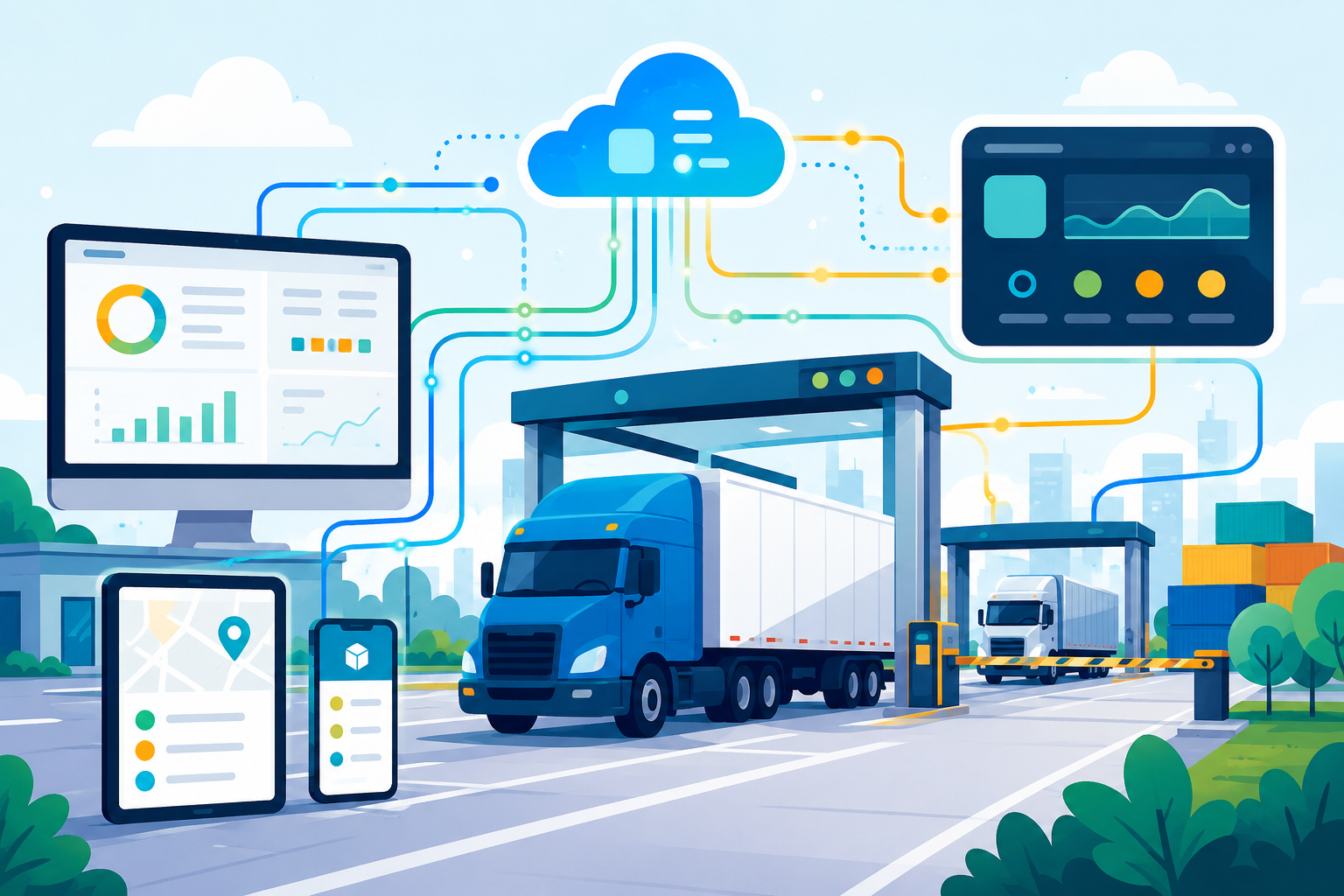
Modern SaaS-based workflow systems offer a practical path forward. By digitalizing the entire transport order process, platforms like PICit A/S’s Transport Order Management System (TOMS) provide real-time visibility and communication for all stakeholders. Instead of relying on paper instructions or time-consuming phone calls, drivers receive clear, actionable updates directly on their mobile devices.
TOMS enables dispatchers to send immediate notifications about job changes, delays, or new instructions. Drivers can confirm receipt, update their status, and report issues, all within a single, intuitive app. This reduces ambiguity, minimizes administrative hassle, and ensures that everyone has access to the latest information. For operations teams, the result is a dramatic reduction in manual coordination and a significant improvement in schedule adherence.
Integration with systems like the Terminal Operating System (TOS) further streamlines the process. Real-time data exchange between terminals, hauliers, and dispatch ensures that drivers are informed about gate statuses, cargo readiness, and any changes in loading or unloading times. This level of transparency not only cuts down on waiting but also empowers drivers to adapt quickly and maintain high levels of productivity.
Real-World Results: Transforming Haulage with Integrated Transport Systems
The benefits of digital transformation are not theoretical. Operators who have implemented TOMS have reported measurable improvements in key performance indicators such as transport order processing time, driver productivity, and invoicing cycle duration. By replacing fragmented, manual workflows with a unified SaaS platform, these companies have reduced average waiting times at terminals and customer sites significantly.
Drivers experience less stress and greater predictability in their daily routines. Real-time updates mean fewer phone calls and less confusion about route changes or job priorities. For management, the data generated by TOMS and TOS provides actionable insights into operational bottlenecks, enabling continuous improvement and more accurate planning.
One example comes from a mid-sized freight carrier operating across Denmark and Northern Europe. Before adopting digital order management, drivers routinely faced long waits and frequent miscommunications. After implementing TOMS, the company saw a marked decrease in idle time and a boost in on-time delivery rates. The improved workflow also contributed to higher driver satisfaction and lower turnover, a critical advantage in today’s tight labor market.
Building a Culture of Efficiency: Next Steps for Logistics Operators
Reducing waiting time at terminals is not just a technical challenge, it is a cultural shift. Logistics operators must prioritize clear communication, real-time information sharing, and the adoption of user-friendly digital tools. The right SaaS platforms do not add complexity; they simplify daily routines for drivers and operations teams alike.
To create lasting change, organizations should:
- Evaluate current workflows to identify sources of delay and miscommunication
- Involve drivers and dispatchers in selecting and testing new digital tools
- Integrate transport order management with terminal systems for seamless data flow
- Provide training and support to ensure smooth adoption
- Use operational data to monitor progress and drive continuous improvement
By taking these steps, logistics operators can transform waiting time from a chronic pain point into a competitive advantage. The result is a more efficient, resilient operation where drivers are empowered, customers are satisfied, and the bottom line is protected.
In a sector where every minute matters, cutting down waiting time is not just about speed, it is about building a smarter, more sustainable future for all.