

Key takeaways
• Customers now expect real-time visibility into their goods, proactive communication, and reliable service at every step.
• Phone calls, emails, and spreadsheets cannot keep up, which leads to errors, missed deadlines, and dissatisfied customers.
• Transparency builds trust, reduces escalations, and makes customers less likely to switch provider.
• PICit’s systems for rail, terminals, warehouses, and road freight give teams, and in some cases customers, access to up-to-date information.
The New Standard for Customer Transparency
Customer expectations in logistics are changing quickly. Clients no longer accept vague delivery windows or delayed status updates. Instead, they demand real-time visibility into their shipments, proactive communication, and reliable service at every step. For logistics providers, especially those operating in highly competitive and low-margin markets, meeting these expectations is not just a value-add. It has become a business necessity.
Transparency in logistics means giving customers accurate, timely information about their goods: where they are, when they will arrive, and what is being done if something goes wrong.
In this article, PICit A/S, based in Aarhus, Denmark, looks at why real-time updates have become essential, the business case for transparency, and how integrated logistics systems help providers deliver it.
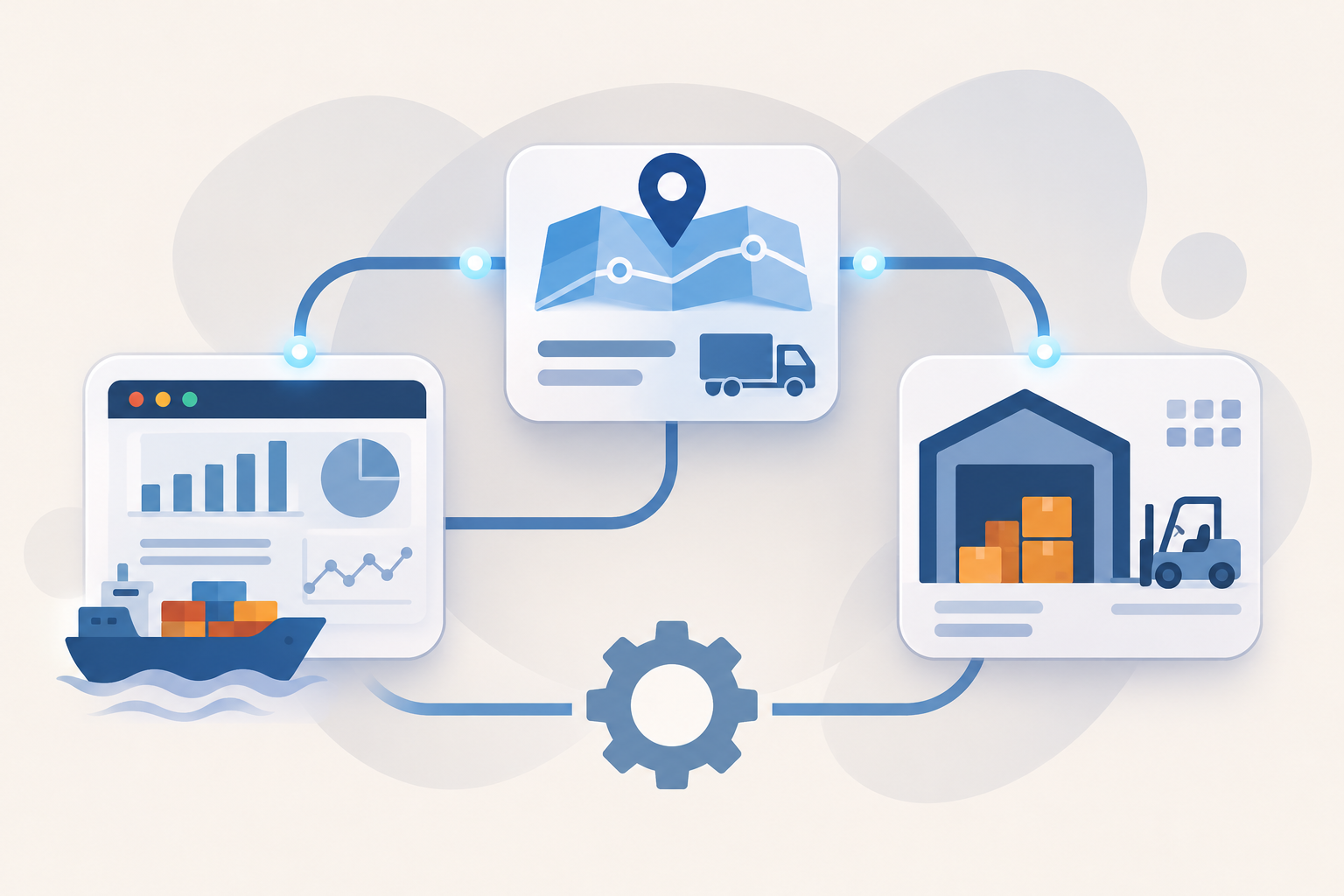
Why Are Real-Time Updates Essential in Logistics?
Real-time updates are essential because customers plan their own operations around your deliveries and expect to know about changes as they happen. The rise of e-commerce, digital transformation, and global supply chain complexity has fundamentally changed how customers interact with logistics providers. Whether shipping a single pallet or managing a fleet of trucks across borders, customers expect to know exactly where their goods are, when they will arrive, and what to do if issues arise. Manual processes and fragmented systems can no longer keep pace with these demands.
Operational stakeholders in logistics face mounting pressure to provide accurate, timely information. Without real-time updates, teams are forced to rely on phone calls, emails, or outdated spreadsheets to track shipments and resolve issues. This not only increases administrative overhead but also exposes the business to costly errors, missed deadlines, and dissatisfied customers.
What Is the Business Case for Transparency in Logistics?
Transparent operations are about more than just customer satisfaction. They directly affect profitability and competitiveness. When customers have access to real-time information, they are less likely to escalate issues or switch providers. This builds trust, strengthens relationships, and leads to repeat business.
For decision-makers, the case for investing in transparency tools is clear:
• Reduced operational costs: Digital tools reduce manual work, streamline communication, and reduce the risk of errors that can erode margins.
• Improved service reliability: Real-time visibility enables proactive management, allowing teams to address potential delays before they affect customers.
• Stronger market position: Providers that offer transparent, reliable service stand out in a crowded market and can build stronger customer loyalty.
• Scalability: Integrated systems support business growth without a proportional increase in overhead or complexity.
How PICit’s Solutions Support Transparent Service
Many logistics providers are turning to specialized systems to deliver the transparency their customers expect. PICit A/S has roots going back to 1984, when it started as a container-operations system for a terminal in Aarhus, and is ISO/IEC 27001 certified. Its solutions cover rail freight, terminals, warehouses, and road freight.
Rail Freight: Goods Transport System (GTS)
The Goods Transport System (GTS) covers the complete rail freight workflow, from booking and shunting to invoicing and cross-border data exchange. For rail freight operators, GTS provides:
• Track & trace with ETAs: Integration with ISR track & trace systems delivers accurate ETAs and real-time wagon positions for both internal operations and customer-facing visibility, reducing the need for manual updates or status calls.
• Rail operations overview: Everything from locomotive assignments to wagon-level detail, with tools to plan departures, monitor arrivals, and communicate rail delays proactively.
• Data exchange across systems and borders: GTS integrates with PICit’s TOS and OneStop Booking (OSB).
Terminals and Warehouses: TOS and WMS
For terminals, PICit’s Terminal Operating System (TOS) provides real-time yard visibility and automated status updates to terminals, hauliers, and agents. Drivers can check in at the gate using a booking ID and container number and receive QR codes via app. For warehouses, the Cargo Freight Station / Warehouse Management System (WMS) shows inventory in real time and can give external users, such as agents and cargo owners, selective access to live inventory across locations.
Road Freight: Transport Order Management System (TOMS)
For road freight, PICit’s Transport Order Management System (TOMS) gives drivers, planners, and administration the same real-time data on transport order status, so questions about a delivery can be answered quickly.
Overcoming Operational Challenges With Integrated Technology
Many logistics directors are all too familiar with the problems of legacy systems: limited real-time visibility, reliance on manual processes, and disconnected workflows that slow down decision-making. These challenges not only hinder operational efficiency but also make it difficult to deliver the level of transparency customers now expect.
Integrated systems address these issues by replacing fragmented, spreadsheet-based processes with a unified digital workflow. This helps teams:
• Monitor shipment status in real time
• Quickly identify and resolve bottlenecks or delays
• Automate routine tasks, freeing up staff for higher-value work
• Use operational data to drive continuous improvement
By providing a single source of truth, these systems enable logistics providers to respond proactively to issues, maintain high service reliability, and support compliance with reporting requirements.
Driving Customer Satisfaction and Business Growth
Transparent operations are a key differentiator in the logistics market. Customers who receive timely, accurate updates are more likely to trust their provider, recommend their services, and expand their business relationship. Conversely, lack of transparency can quickly erode trust and lead to lost business.
For logistics directors, investing in digital transparency tools is not just about meeting current expectations. It is also about future-proofing the business. As customer demands continue to rise, those who can deliver reliable, real-time information will be best positioned to win new contracts, retain existing clients, and scale efficiently.
Building a Competitive Edge Through Transparency
The demand for transparency in logistics is here to stay. Real-time updates and digital tools are no longer optional. They are essential for delivering the reliable service customers expect and for maintaining a competitive edge in a challenging market.
By adopting integrated solutions like PICit’s Goods Transport System (GTS), Terminal Operating System (TOS), Cargo Freight Station / Warehouse Management System (WMS), and Transport Order Management System (TOMS), logistics providers can reduce manual work, gain a better operational overview, and deliver the transparency that drives customer satisfaction and business growth. The business case is clear: transparency is both good service and smart strategy.
Want to see how PICit’s solutions could support transparency in your operation? Book a demo with PICit.
Related reading: Why Real-Time Visibility is Critical for Modern Haulage · The Hidden Costs of Manual Communication in Terminal Operations · A Terminal Operating System for Small and Mid-Sized Container Terminals in Europe
Frequently Asked Questions
What does transparency mean in logistics?
Transparency in logistics means giving customers accurate, timely information about their goods: where they are, when they will arrive, and what is being done if something goes wrong.
Why do customers expect real-time updates?
E-commerce, digitalization, and more complex supply chains have changed how customers work with logistics providers. Customers plan around deliveries and expect to know where their goods are and when they will arrive.
What are the business benefits of transparency in logistics?
Transparency reduces operational costs, improves service reliability, strengthens market position, and makes customers less likely to escalate issues or switch provider.
How does PICit’s GTS support transparency in rail freight?
GTS integrates with ISR track & trace systems, delivering accurate ETAs and real-time wagon positions for both internal operations and customer-facing visibility.
Can customers see their goods in PICit’s WMS?
Yes. PICit’s WMS can give external users, such as agents and cargo owners, selective access to live inventory across locations.