The Turnaround Time Challenge in Modern Warehousing In today’s fast-paced logistics landscape,...

The Critical Role of IT Resilience in Modern Port Operations
In today’s global logistics landscape, ports serve as the nerve centers of supply chains. Every minute of downtime or system instability can ripple across continents, causing costly delays and eroding customer trust. For operational and IT leaders in port environments, building a resilient IT foundation is not just a technical aspiration, it is a business imperative. Ensuring that mission-critical logistics systems remain stable, secure, and available is essential for maintaining throughput, meeting regulatory requirements, and enabling growth.
Key Challenges: Uptime, Technical Debt, and System Fragmentation
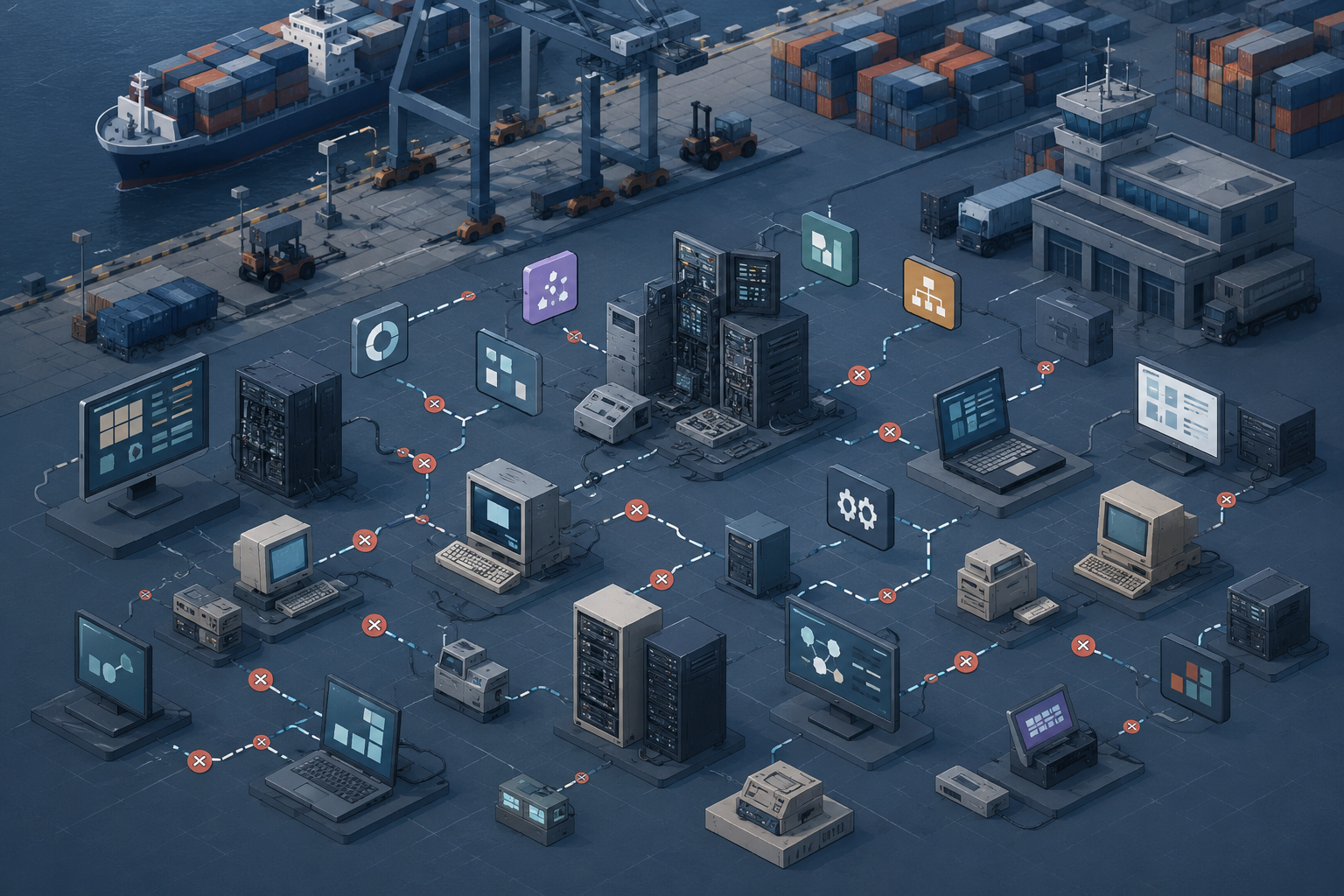
Operational stakeholders in port environments face a unique set of IT challenges. The pressure to achieve near-perfect uptime is relentless, particularly during peak periods when cargo volumes surge. Yet, many organizations contend with a patchwork of legacy systems, siloed applications, and manual workarounds. This fragmentation leads to:
- Increased technical debt, as custom integrations and outdated middleware accumulate
- Error-prone data consolidation, undermining real-time visibility and decision-making
- Higher risk of downtime, as single points of failure or integration gaps disrupt operations
- Growing support burdens, as IT teams are forced to maintain and troubleshoot disparate platforms
The result is a landscape where operational demands often outpace IT’s ability to deliver reliable, scalable solutions. Without a unified approach, even the most advanced features cannot compensate for the instability and inefficiency that technical debt creates.
Strategic Approaches to Building a Stable IT Foundation
To address these challenges, decision-makers must adopt a holistic strategy that prioritizes resilience, integration, and long-term value. Key elements of this approach include:
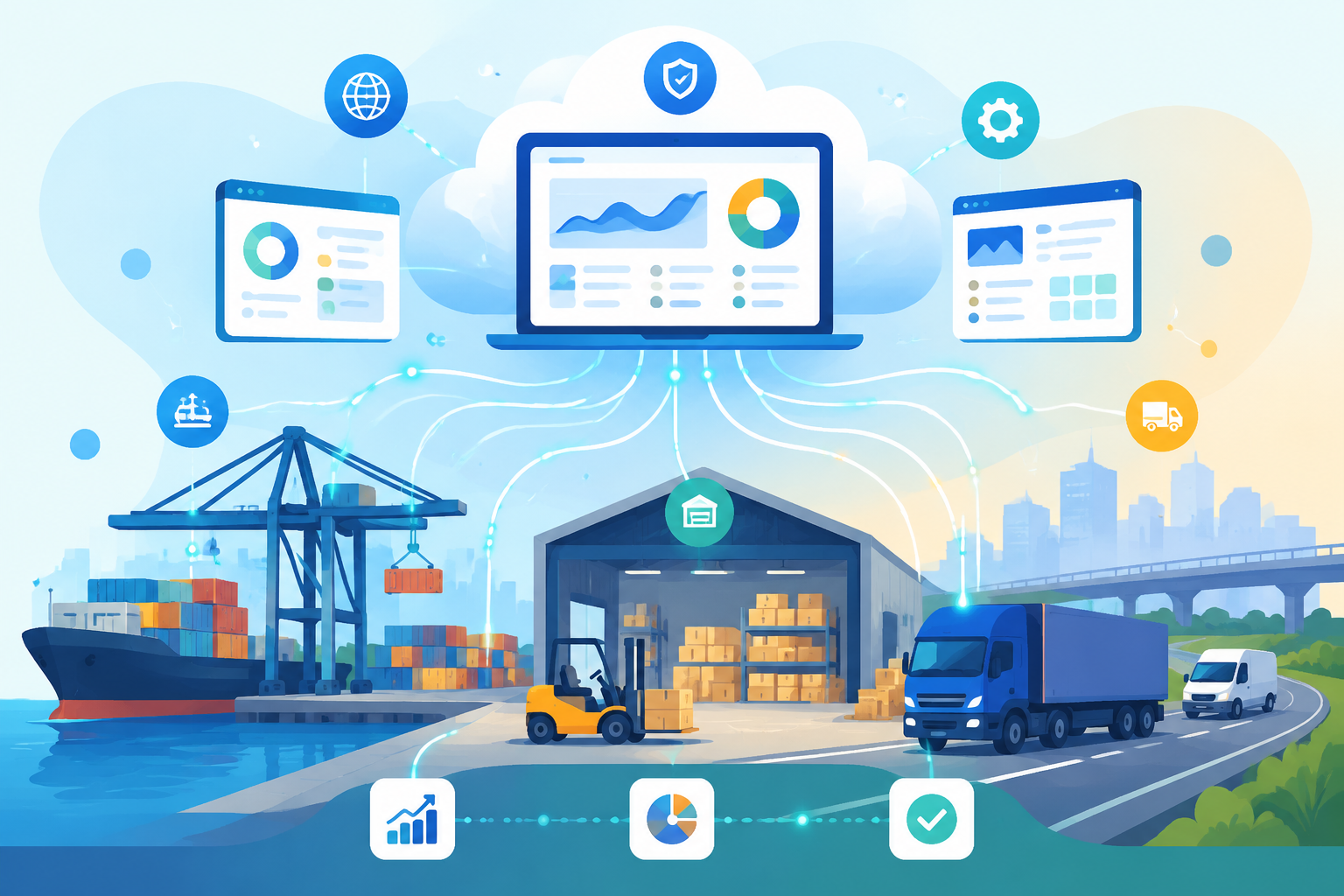
1. Unified System Architecture Replacing fragmented, point-to-point integrations with a centralized platform reduces complexity and technical debt. A unified Terminal Operating System (TOS), for example, connects all stakeholders, shipping lines, hauliers, customs, and terminal operators, on a single, real-time information platform.
2. Seamless Integration and Interoperability Modern SaaS platforms must offer comprehensive APIs and EDI capabilities to integrate with both legacy and enterprise systems. This ensures data flows securely and reliably across the organization, supporting both operational and business needs.
3. Proactive Risk Management Resilient IT foundations are built on robust failover mechanisms, real-time monitoring, and rapid support response. By selecting solutions with proven uptime records and ISO27001-certified security, organizations can minimize the risk of operational disruptions.
4. Continuous Technical Debt Reduction Every new integration or manual workaround adds to technical debt. By standardizing on best-fit, industry-proven platforms, IT leaders can systematically retire legacy systems and custom code, freeing resources for innovation and growth.
How Integrated SaaS Platforms Drive Business Value
The business value of IT resilience extends far beyond the IT department. When port operators deploy integrated platforms like PICit’s Terminal Operating System (TOS), they realize tangible benefits across the organization:
- Increased Uptime: Real-time container and yard management, vessel call management, and automated reporting ensure that critical operations continue without interruption, even during peak periods.
- Reduced Technical Debt: By consolidating multiple workflows (terminal, warehouse, and transport management) into a single SaaS ecosystem, organizations eliminate redundant systems and manual processes.
- Enhanced Data Quality and Accessibility: Seamless integration with other logistics systems and enterprise platforms provides accurate, real-time data for decision-making and regulatory compliance.
- Lower Support Burden: With a unified system, IT teams spend less time troubleshooting fragmented integrations and more time supporting business innovation.
Case Example: Achieving Resilience with PICit TOS
Consider a major Nordic port operator facing frequent reporting lags and operational data loss during high-volume periods. By implementing PICit’s TOS, the organization:
- Gained full operational visibility across all terminal movements, eliminating manual reporting and data silos
- Integrated all stakeholders on a shared platform, streamlining communication and reducing errors
- Leveraged real-time move reporting and EDI integration to ensure data consistency across terminals and enterprise systems
- Reduced IT support incidents related to system fragmentation significantly
The result was not only improved uptime and system stability, but also faster response to business requests and a measurable reduction in technical debt.
Measuring Success: Business Outcomes of IT Resilience
For IT and operational leaders, the success of a resilient IT foundation is measured by clear business outcomes:
- Uptime: Core operational systems remain available during peak demand, supporting uninterrupted cargo flows
- Faster Integration Projects: Standardized APIs and integration toolkits reduce project timelines
- Improved Data Accessibility: Real-time dashboards and reporting increase data quality and accessibility
- Lower IT Support Incidents: Unified platforms cut down support tickets related to system fragmentation, freeing IT resources for strategic initiatives
These outcomes translate directly into higher throughput, better customer service, and a stronger competitive position in the logistics market.
Conclusion: Future-Proofing Port Operations
Building a resilient IT foundation is not a one-time project, it is an ongoing commitment to stability, integration, and continuous improvement. By adopting integrated SaaS platforms like PICit’s Terminal Operating System (TOS), port operators can reduce technical debt, increase uptime, and ensure their systems are ready to meet both current and future business demands.
The path to resilience starts with a strategic vision and the right technology partners. With proven solutions tailored to the complexities of port operations, organizations can secure their place at the heart of global logistics, delivering reliable, efficient, and future-proof services for years to come.