Introduction: The Realities of Warehouse Operations Warehouse operations are the backbone of...

The Hidden Cost of Disconnected Warehouse and Transport Operations
In today’s logistics landscape, operational performance is only as strong as the weakest link in the supply chain. For warehouse directors and operational leaders, the daily reality is a balancing act between maximizing throughput, maintaining inventory accuracy, and meeting tight transport schedules. Yet, one of the most persistent challenges remains the gap between warehouse and transport teams. When these functions operate in silos, the consequences ripple throughout the business: delayed shipments, idle trucks, inventory inaccuracies, and ultimately, dissatisfied customers.
Many organizations still rely on a patchwork of spreadsheets, manual checklists, and legacy systems to bridge this gap. While experienced staff may compensate for process shortcomings, this approach is neither scalable nor sustainable. As business volumes grow and customer expectations rise, the cost of poor coordination becomes increasingly visible, manifesting in longer truck turnaround times, missed delivery windows, and higher operational costs.
Why Integrated Workflows Are Essential for Modern Logistics
The pressure on warehouse operations is intensifying. Directors are tasked with boosting throughput and reducing costs, all without increasing headcount. At the same time, transport teams expect precise, real-time updates on cargo readiness and dock availability. The disconnect often stems from fragmented systems and manual processes that fail to provide a unified, actionable view of operations.
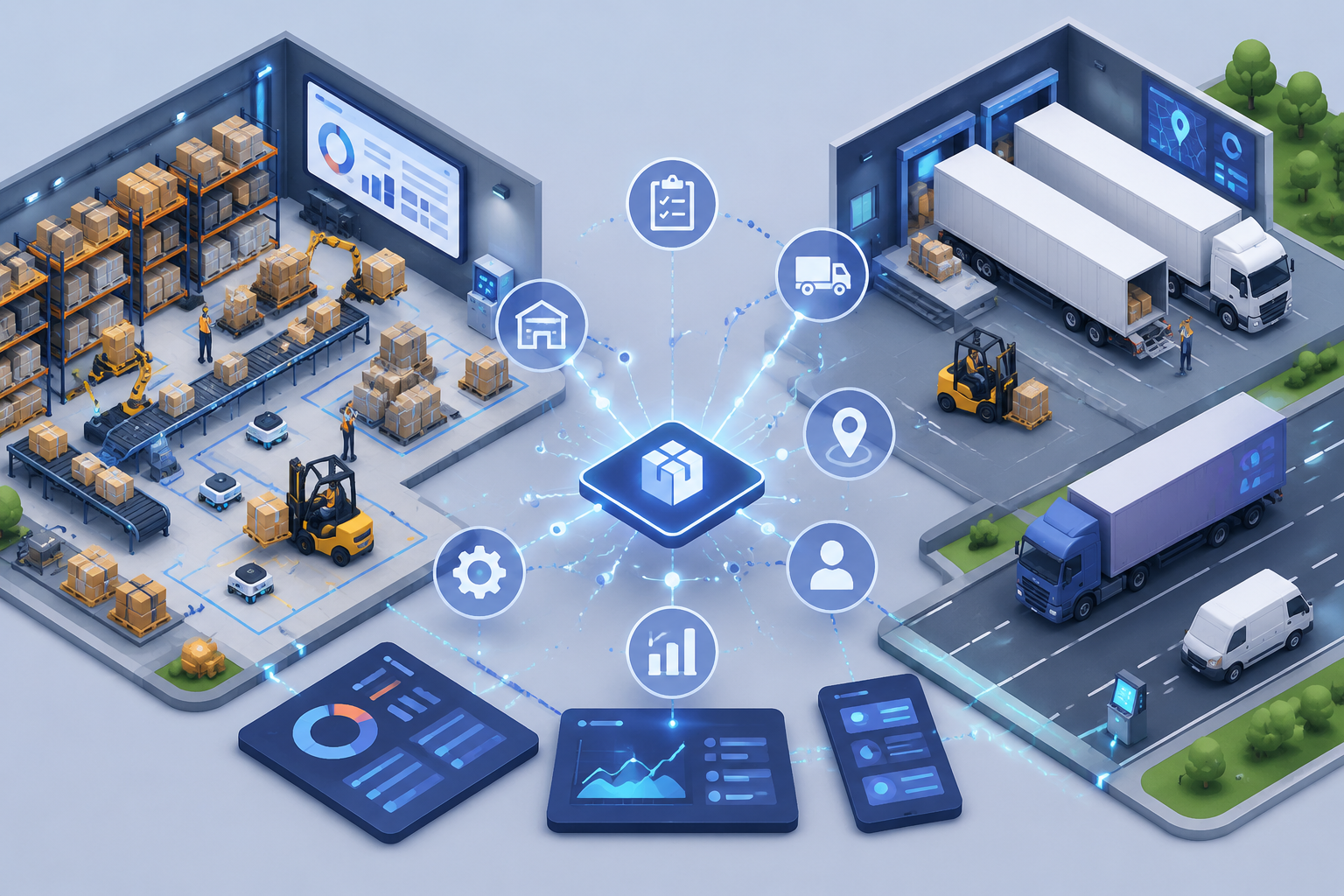
Integrated warehouse-transport workflows are no longer a luxury; they are a necessity for achieving operational efficiency and meeting customer demands. When warehouse and transport teams share real-time data and synchronized processes, several key benefits emerge:
- Reduced Bottlenecks: Dynamic dock assignments and live inventory status help prevent congestion and minimize delays during peak periods.
- Improved Inventory Accuracy: Automated scanning and tracking ensure every goods movement is recorded, reducing discrepancies and lost items.
- Faster Turnaround: Real-time coordination enables faster loading and unloading, directly impacting truck turnaround times and delivery schedules.
- Scalability: Integrated systems can adapt to fluctuating volumes without the need for additional manual labor or ad-hoc workarounds.
For operational leaders, the path to best-in-class performance starts with recognizing the strategic value of integration. It’s not just about technology, it’s about empowering teams with the right tools and data to make informed decisions, quickly and confidently.
How PICit’s WMS Enables Real-Time Coordination and Efficiency
PICit A/S understands the realities of warehouse and transport operations. The Cargo Freight Station / Warehouse Management System (WMS) is designed specifically for logistics operators who need full visibility and seamless integration across the supply chain.
Key features that drive integration and efficiency:
- Real-Time Inventory Management: Every inbound and outbound movement is tracked instantly, providing a live view of stock levels, locations, and activity flows.
- Cargo Storage and Activity Tracking: Automated tracking of storage allocation and cargo movements eliminates manual errors and supports rapid decision-making during peak shifts.
- Integration with Transport and Terminal Systems: The WMS connects directly with PICit’s Terminal Operating System (TOS) and Goods Transport System (GTS), ensuring that warehouse, terminal, and transport teams operate from a single source of truth.
- Automated Import/Export and Customs Management: Streamlined workflows for customs and port fee calculations reduce administrative burden and speed up cargo release.
- User-Friendly Interface: Designed for fast adoption by operational staff, reducing training time and supporting continuous process improvement.
By replacing fragmented, manual processes with a unified SaaS platform, warehouse directors gain the actionable insights needed to identify bottlenecks, reallocate resources in real time, and maintain high levels of inventory accuracy - even as business grows.

Operational Outcomes: Throughput, Accuracy, and Customer Satisfaction
The impact of integrated warehouse-transport workflows is measurable and immediate. Organizations leveraging PICit’s WMS report:
- Increased Throughput: Streamlined coordination between warehouse and transport teams enables a higher volume of goods to move through the facility without increasing headcount.
- Reduced Turnaround Times: Dynamic scheduling and live dock status updates cut truck loading and unloading times, minimizing costly delays.
- Greater Inventory Accuracy: Automated tracking and discrepancy alerts ensure that inventory records match physical stock, reducing lost or misplaced items and improving billing accuracy.
- Enhanced Customer Experience: Reliable, on-time deliveries and transparent status updates build trust and strengthen customer relationships.
- Scalable Operations: As demand fluctuates, integrated systems provide the flexibility to adapt quickly, supporting growth without sacrificing control or visibility.
For warehouse directors, these outcomes translate directly into competitive advantage. By closing the coordination gap, operational leaders can deliver on ambitious performance targets while empowering teams to focus on value-added activities rather than firefighting process breakdowns.
Next Steps: Building a Resilient, Scalable Warehouse-Transport Ecosystem
The journey toward peak operational performance begins with a clear-eyed assessment of current workflows and the recognition that manual workarounds are no longer sufficient. The next step is to explore integrated solutions that align with both immediate operational needs and long-term strategic goals.
PICit’s ecosystem, including the Cargo Freight Station / Warehouse Management System (WMS), Terminal Operating System (TOS), and Goods Transport System (GTS), offers a proven path to seamless warehouse-transport integration. With deep industry expertise, ISO27001-certified security, and a flexible, customer-focused approach, PICit enables logistics organizations to build resilient, scalable operations ready for the demands of modern supply chains.
For operational stakeholders seeking to boost throughput, improve accuracy, and deliver superior customer results, the time to bridge the gap is now. Integrated workflows are not just a technology upgrade—they are the foundation for sustainable growth and operational excellence.