
Key takeaways
• Truck drivers deal with last-minute changes, long waits at terminals, limited visibility, and constant phone calls.
• With a transport order management system (TOMS), orders, status updates, and schedule changes go straight to the driver's mobile app.
• Drivers can confirm tasks, report delays, and log handovers with a few taps, which cuts phone calls and paperwork.
• A more predictable workday reduces driver stress and improves both wellbeing and operational efficiency.
The Changing Reality of Truck Driving
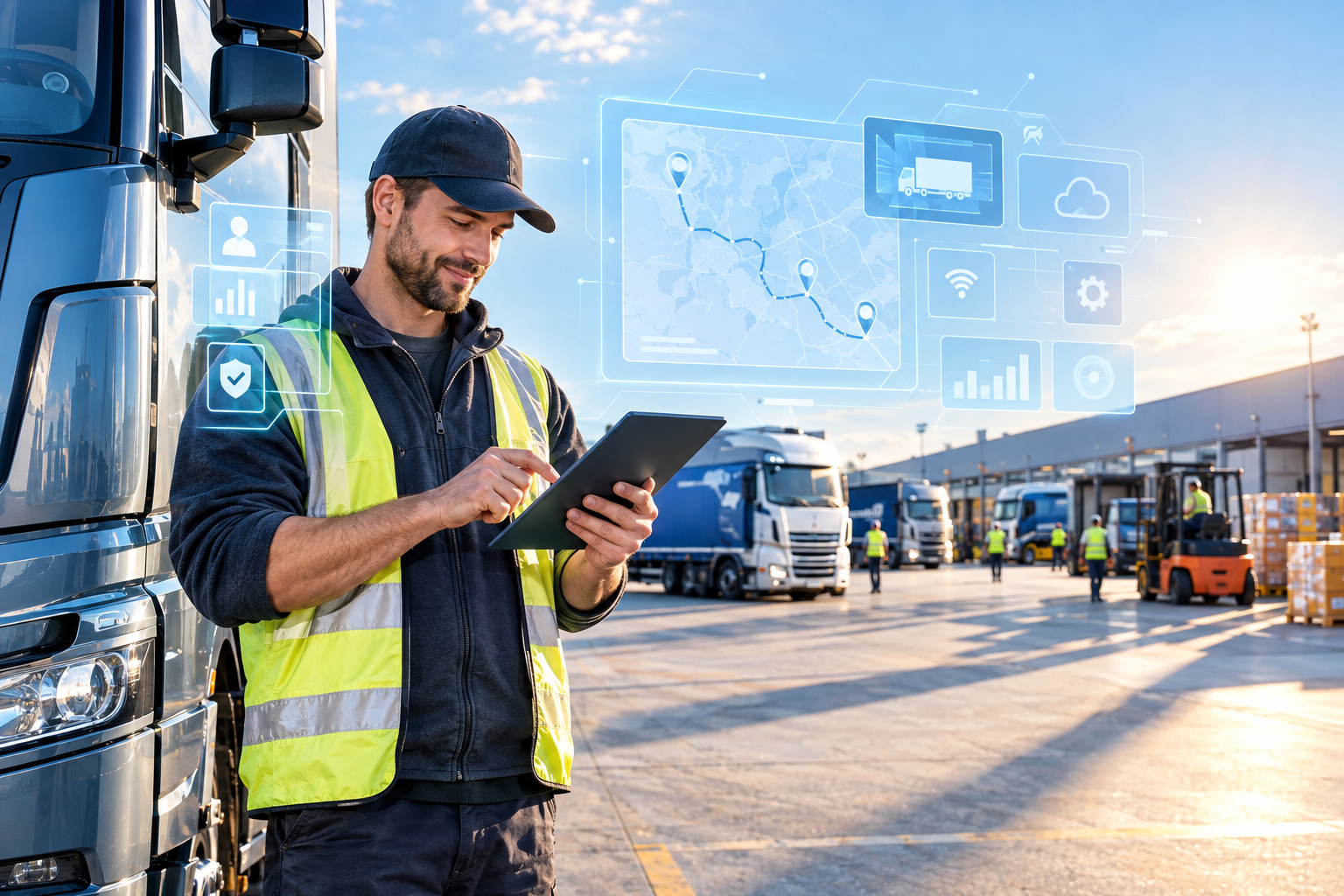
A truck driver's digital toolbox is the set of mobile apps and connected systems that give drivers real-time instructions, cargo status, and terminal information, and let them report back to dispatch without phone calls or paperwork. Today, road freight is evolving rapidly. Drivers are expected to handle more than just the steering wheel, they juggle tight schedules, shifting routes, and constant communication with dispatchers and customers. The pressure to deliver on time, every time, is higher than ever. And while the cargo may be heavy, the burden of uncertainty and inefficiency can weigh even more on a driver's mind.
Digitalization is transforming the logistics landscape, offering new ways to simplify daily routines and reduce stress for those behind the wheel. For operational stakeholders in road freight, understanding how technology can make a real difference is essential.
What Are the Biggest Daily Challenges for Truck Drivers?
The biggest daily challenges are last-minute changes, long waits at terminals, limited real-time information, too many phone calls, and an unpredictable workday. Truck drivers face a unique set of challenges every day:
• Unclear or last-minute changes: Sudden updates from dispatch can disrupt carefully planned routes and create confusion.
• Excessive waiting times: Delays at terminals or customer sites, often with little information, lead to frustration and lost productivity.
• Limited real-time visibility: Without up-to-date information, drivers are left guessing about schedules, cargo status, and next steps.
• Heavy reliance on phone calls: Constant calls and manual updates create communication bottlenecks, increasing the risk of miscommunication and errors.
• Day-to-day unpredictability: The lack of clarity and predictability in daily operations causes unnecessary stress and affects job satisfaction.
These pain points are not just minor inconveniences, they directly affect a driver's ability to deliver safely, efficiently, and with confidence.
How Do Digital Tools Simplify a Truck Driver's Workflow?
Digital tools simplify a driver's workflow by replacing phone calls and paperwork with real-time updates and one-tap confirmations on a mobile device. Modern logistics technology, such as the Transport Order Management System (TOMS) from PICit A/S, based in Aarhus, Denmark, is designed to address these exact challenges. By integrating real-time data, automated updates, and streamlined communication, digital tools can transform the daily experience for drivers.
Real-Time Information at Your Fingertips
With the TOMS driver app, drivers receive instant updates about new orders, cargo status, gate assignments, and schedule changes directly on their mobile devices. This eliminates the guesswork and reduces the need for repeated phone calls to dispatch or terminal staff.
Seamless Communication
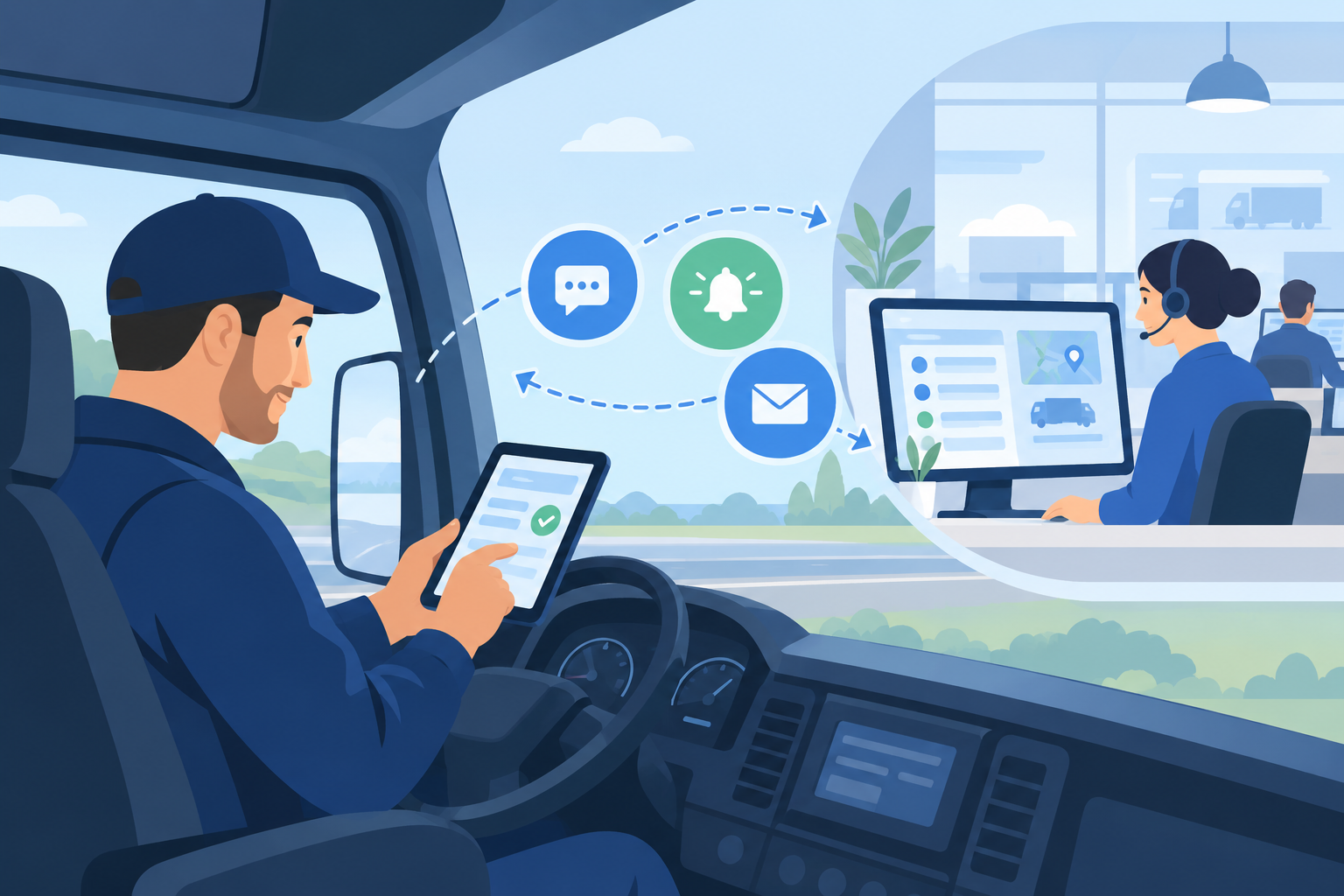
Dispatch can send clear, concise instructions, and drivers acknowledge them in real time. Drivers can confirm receipt of new tasks, update order status, register time or incidents, report delays, or request assistance with just a few taps, no more waiting on hold or deciphering unclear messages.
Reduced Waiting and Administrative Hassle
Automated notifications about loading times, cargo readiness, and gate changes help drivers plan their day more efficiently. By minimizing paperwork and manual logging, digital tools free up more time for drivers to focus on safe, punctual deliveries.
Integration with Broader Logistics Systems
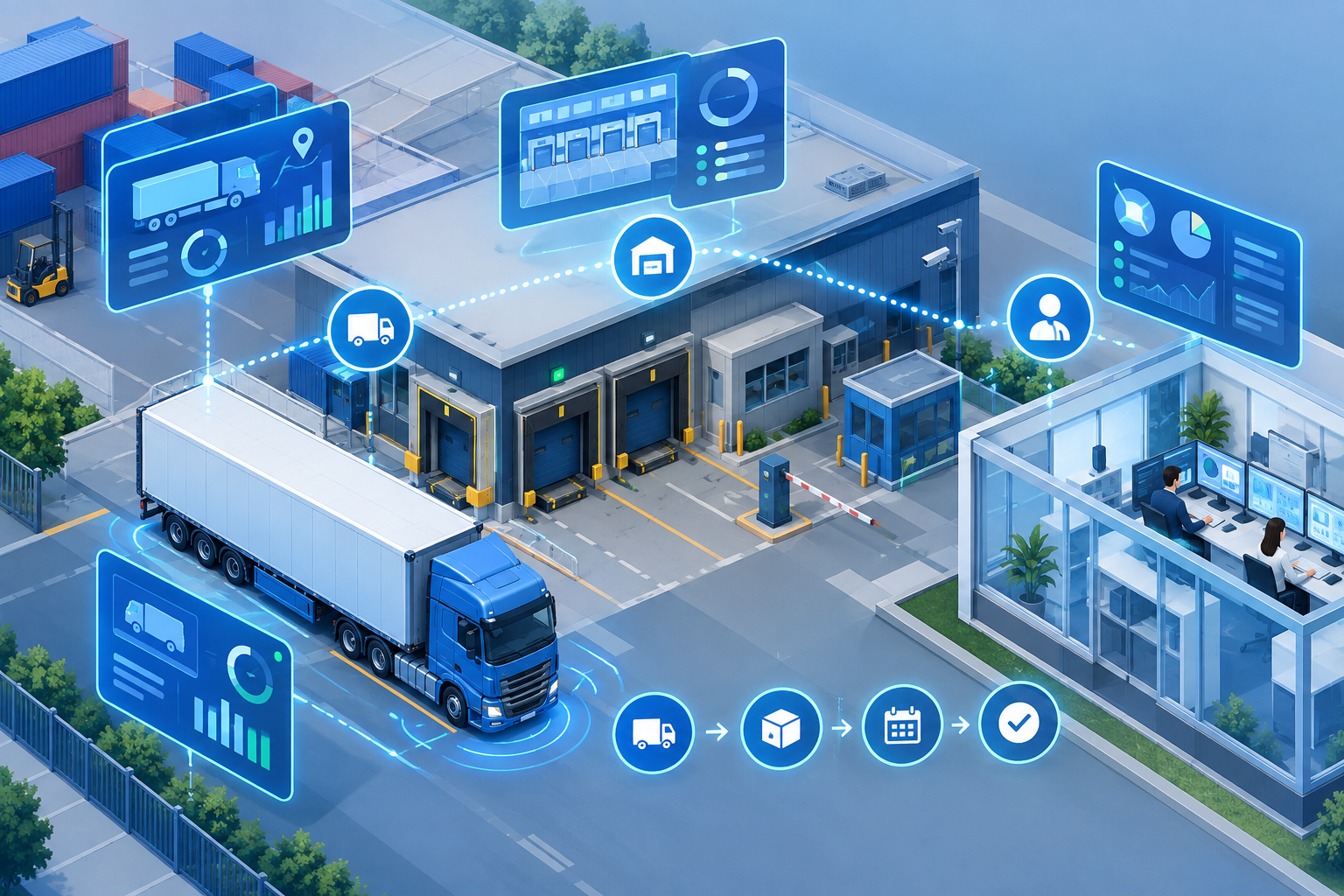
TOMS connects with other critical systems, such as terminal operations (including PICit's Terminal Operating System, TOS) and customs solutions. For drivers, this means terminal information like gate assignments and cargo readiness can reach them in the same app, with end-to-end visibility across the transport chain. This means fewer surprises, better coordination, and a smoother workflow from dispatch to delivery.
A Practical Look: Technology in Action During a Typical Day
Imagine a typical day for a truck driver working regional and cross-border routes:
1. Morning Briefing: The day starts with a digital briefing. Route instructions, cargo details, and delivery schedules are sent from TOMS directly to the driver's mobile device. Any special requirements or updates are clearly highlighted, reducing ambiguity.
2. On the Road: As traffic conditions change, dispatch can send real-time route adjustments. The driver receives instant notifications and updated navigation, allowing for quick adaptation without lengthy phone calls.
3. At the Terminal: On arriving at a terminal, the driver receives automated gate information and status updates on cargo readiness. If there is a delay, the system provides estimated waiting times and alternative instructions, minimizing idle time and frustration.
4. Mid-Route Changes: If a delivery needs to be rerouted or rescheduled, the driver is notified immediately. The new instructions are clear and actionable, and the driver can confirm receipt with a single tap.
5. Reporting and Handover: Any issues or deviations are reported digitally in the TOMS app, along with working time, ensuring that dispatch and customers are kept informed. The entire process is logged automatically, reducing paperwork and administrative burden.
This digital workflow not only makes each step more predictable but also gives drivers the confidence to handle changes as they arise.
How Does Better Communication Reduce Truck Driver Stress?
Better communication reduces driver stress by replacing uncertainty with clear, real-time information about what to do next. Operational stakeholders know that driver wellbeing is directly linked to operational efficiency. When drivers have access to clear, real-time information, their stress levels tend to fall and their job satisfaction improves.
Digital tools like TOMS help create a more predictable workday by:
• Providing instant clarity on job status and next steps
• Minimizing the need for manual check-ins and phone calls
• Reducing waiting times and uncertainty at terminals and customer sites
• Enabling faster response to changes and unexpected events
By focusing on simplicity and reliability, these solutions help drivers concentrate on what matters most: safe, timely deliveries and professional service.
The Road Ahead: Embracing Digitalization in Road Freight
The adoption of digital tools is not just a trend, it is becoming a necessity for modern road freight operations. For drivers, the benefits are clear: less stress, more control, and a smoother workflow. For logistics companies, digitalization means higher efficiency, fewer errors, and improved customer satisfaction.
As the industry continues to evolve, adopting technology like PICit's Transport Order Management System (TOMS) will be key to staying competitive and supporting the people who keep goods moving every day. Read more in our guide From Manual Processes to Digital Dispatch: A Freight Leader’s Guide.
For operational stakeholders, the message is simple: investing in practical, driver-friendly digital tools is an investment in both performance and wellbeing. The modern truck driver's digital toolbox is not just about technology, it is about making every day on the road safer, clearer, and more productive.
Frequently Asked Questions About Digital Tools for Truck Drivers
What digital tools do truck drivers use?
Truck drivers use mobile apps connected to their company's transport order management system (TOMS) and, through it, to terminal systems. These apps deliver orders, route instructions, cargo details, and schedule changes, and let drivers confirm tasks and report issues from the road.
What is a transport order management system (TOMS)?
A transport order management system (TOMS) handles transport orders digitally from creation and dispatch to driver updates, tracking, and invoicing. Planners, dispatchers, drivers, and customers all work from the same real-time information.
How can digital tools reduce waiting times at terminals?
Automated notifications about loading times, cargo readiness, and gate changes help drivers arrive at the right time and plan around delays, which reduces idle time at terminals and customer sites.
Can truck drivers report delays and confirm tasks from their phone?
Yes. With the PICit TOMS driver app, drivers can receive orders, confirm tasks, update statuses, register time or incidents, and report delays with a few taps.
Why should transport companies invest in driver-friendly digital tools?
Driver-friendly tools improve both performance and wellbeing. Companies get higher efficiency, fewer errors, and happier customers, while drivers get less stress, more control, and a smoother workday.
Want to make your drivers' day simpler? Contact PICit to see how TOMS supports your drivers on the road and at the terminal.